**11 Best Sun-Protection Products, Tested and Reviewed**
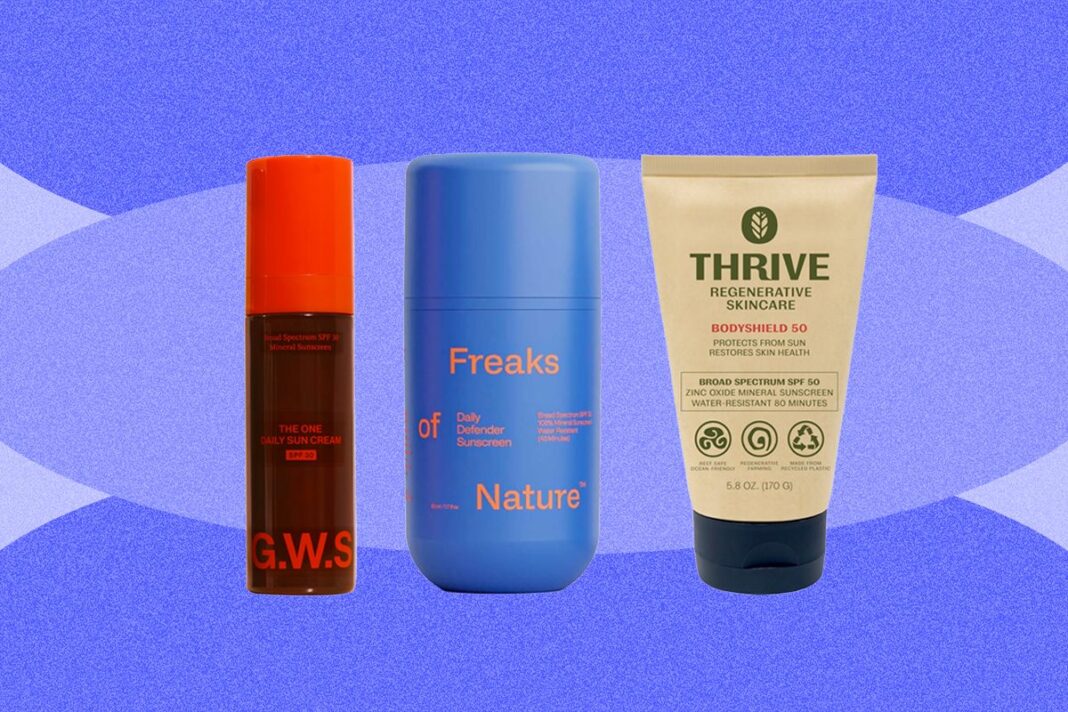
A rigorous test of 36 sunscreens took place across summer hikes, spring ski days, and beachside outings. The evaluation covered mineral, chemical, and spray formulations to identify the most effective options.
Each product was assessed for real-world performance under direct sun exposure. Factors included application ease, skin feel, and durability during physical activity.
Mineral sunscreens, using zinc oxide or titanium dioxide, provide a physical barrier against rays. They are often recommended for sensitive skin and offer immediate protection upon application.
Chemical sunscreens absorb UV radiation and convert it into heat. These formulas typically blend into the skin more easily and leave no white residue, making them popular for daily use.
Spray sunscreens offer quick, convenient coverage for large areas. Users must apply an even, generous layer to ensure full protection, as gaps can lead to burns.
The best mineral option resisted sweat and water during rigorous activities. It provided reliable coverage without causing skin irritation or excessive stickiness.
A chemical formula stood out for its lightweight, non-greasy finish. It maintained protection during extended periods outdoors without requiring frequent reapplication.
The top spray sunscreen delivered even coverage and dried quickly. Its design allowed for easy application on active children and adults alike.
All recommended products met federal standards for broad-spectrum protection. They effectively blocked both UVA and UVB rays to prevent sunburn and long-term skin damage.
Consistent use of any high-quality sunscreen reduces the risk of skin cancer and premature aging. Reapplying every two hours, or after swimming or sweating, remains essential for full protection.
These findings offer practical guidance for selecting a sunscreen suited to different lifestyles. The tested products represent the most reliable choices available in the current market.