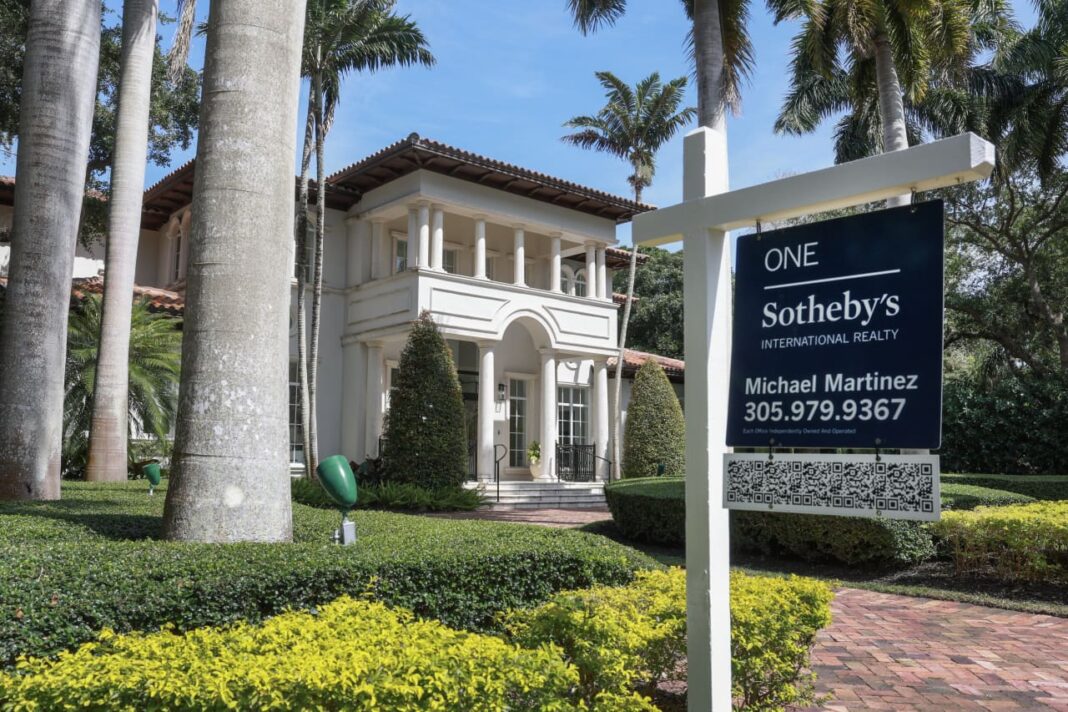
Home sales have slowed as fewer buyers enter the market. Yet national home price readings continue to climb. This disconnect puzzles many observers.
Weak demand usually pushes prices lower. Current data shows the opposite trend. Several forces are keeping prices elevated despite softer sales volume.
First, housing supply remains historically low. Years of underbuilding have left a persistent shortage of available homes. Buyers still compete for a limited pool of listings.
Second, many current homeowners hold low-rate mortgages. They are reluctant to sell and give up those favorable terms. This locks up inventory and tightens supply further.
Third, demographics continue to support demand. Millennials and other large buyer groups are still forming households. Their need for housing sustains competition in many markets.
Builders have not filled the gap quickly enough. Construction costs and labor shortages slow new supply. Zoning and permitting hurdles add further delays.
The result is a market where prices stay firm even as transaction counts fall. Supply constraints outweigh the drop in buyer activity. National price measures reflect this imbalance.