
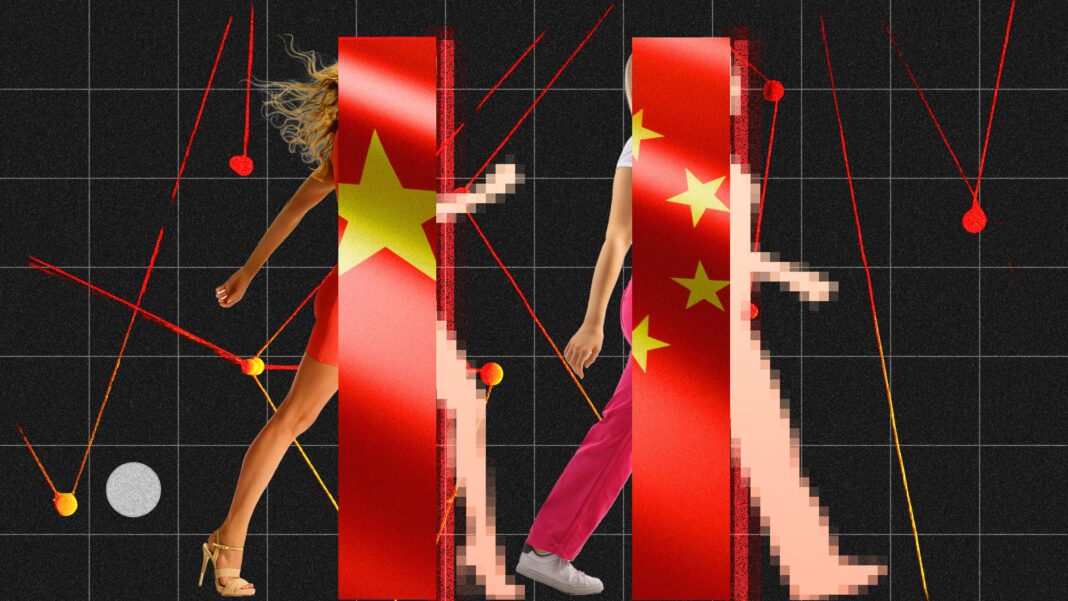
Hundreds of ordinary-looking AI applications are concealing features that let users create sexually abusive deepfakes. A WIRED investigation found roughly 400 apps and websites tied to Chinese-language developers with these hidden capabilities.
The apps present themselves as standard AI tools for everyday tasks. Behind their public interfaces, they offer options to generate violent and sexually explicit imagery.
Many of the services appear designed to avoid detection. Abusive features are often tucked behind paywalls or unlocked through specific prompts rather than advertised openly.
The findings highlight a growing gap between public-facing AI products and what they actually allow. Developers can bury harmful functions beneath otherwise harmless tools.
Most app stores rely on automated screening and user reports to catch policy violations. These methods struggle to detect features that stay hidden during routine review.
Researchers say the scale of the problem suggests a coordinated pattern rather than isolated cases. Hundreds of linked services point to shared infrastructure and templates.
The discovery raises questions about how quickly abusive tools spread through mainstream channels. Regulators and platforms face pressure to strengthen checks before apps reach users.