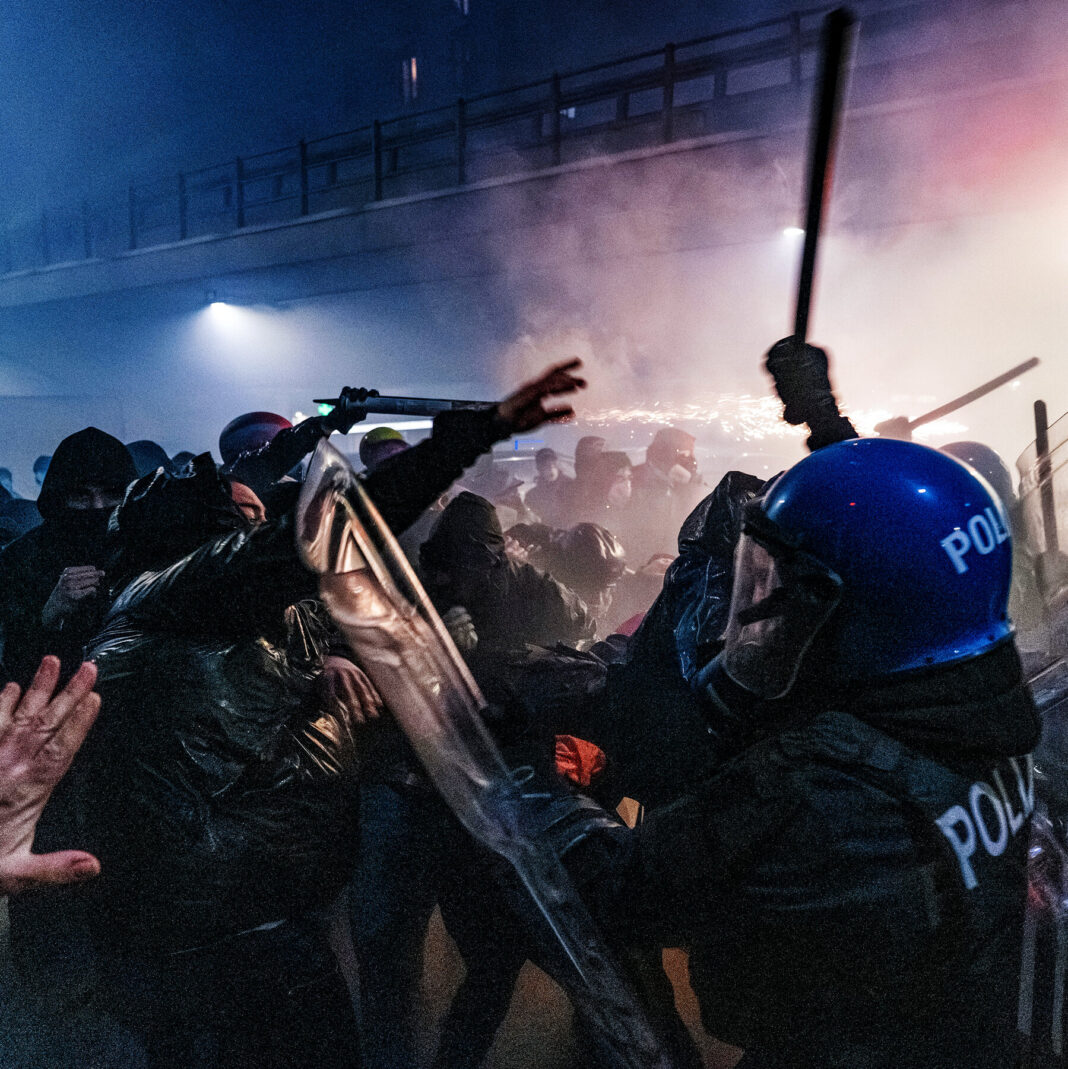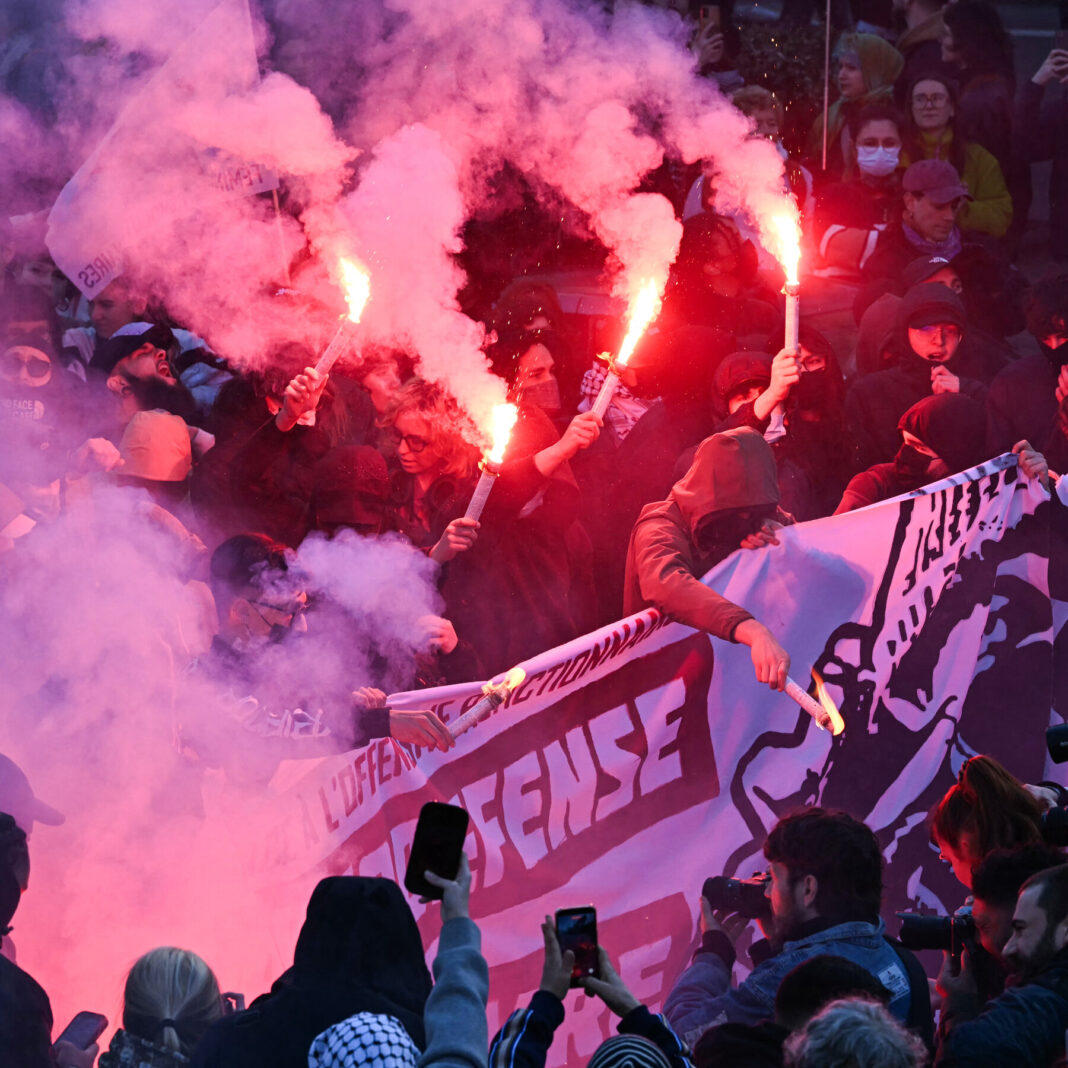
The Trump administration has elevated its focus on far-left groups. This includes designating antifa as a counterterrorism priority.
This shift occurs alongside ongoing threats from the Middle East. It signals a significant reorientation of domestic security policy.
Analysts note the move concentrates resources on a specific ideological segment. The approach defines a broad spectrum of activism as a primary threat.
The strategy has sparked debate over the labeling of domestic movements. Critics argue it risks conflating civil dissent with terrorism.
Legal experts question the implications for civil liberties. The policy could influence protest policing and surveillance tactics.
This prioritization may reshape the national security landscape. Its long-term effects on community relations remain uncertain.
The administration’s stance continues to draw intense scrutiny from both supporters and opponents.