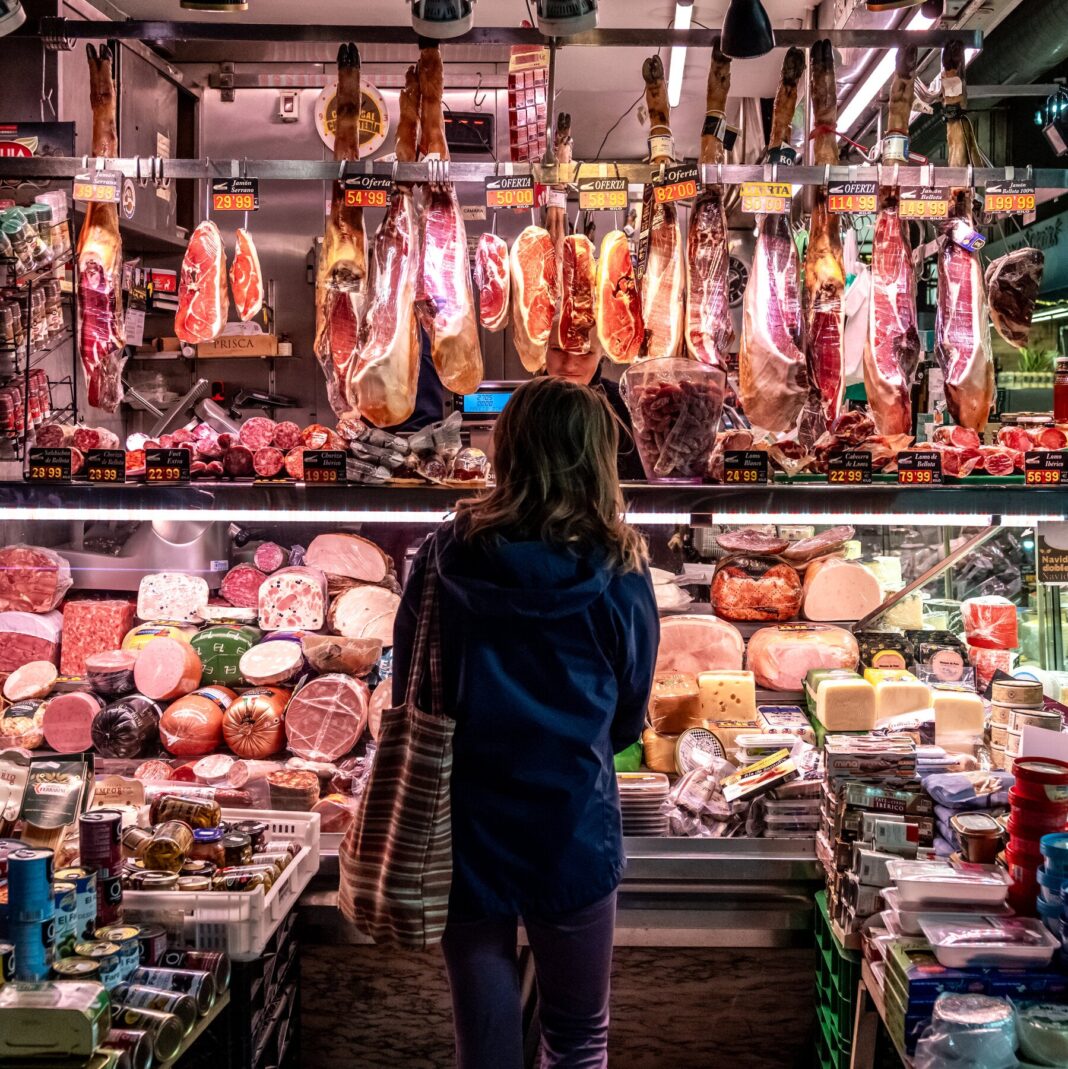
Madrid’s neighborhood markets have become destinations in their own right. Locals visit for fresh produce, prepared food, and evening socializing. Six notable markets offer a mix of culinary tradition and modern entertainment.
Mercado de San Miguel draws crowds with its glass-and-iron architecture and tapas counters. Vendors sell olives, cured ham, and seafood to standing diners. The central location near Plaza Mayor makes it a convenient first stop.
Mercado de San Antón in Chueca combines a traditional food market with a rooftop terrace. The lower level hosts butchers, fishmongers, and specialty stalls. Upstairs, diners order small plates and drinks with views over the neighborhood.
Mercado de la Cebada in La Latina serves a working-class district with affordable produce and household goods. The surrounding streets host Sunday flea markets and street performers. Flamenco classes and live music appear in the market’s community spaces.
Mercado de Chamberí offers a quieter alternative away from tourist routes. Families shop for weekly groceries while office workers grab coffee at the bar. The market’s tapas bars fill up during the traditional midday meal.
Mercado de Los Mostenses near Plaza de España specializes in Latin American and Asian ingredients. Vendors stock tropical fruits, dried chiles, and imported spices. The food court serves arepas, ceviche, and stir-fries to a diverse crowd.
Mercado de Barceló in Malasaña has transformed into a nightlife hub with buzzy bars and live DJ sets. The market retains its original food stalls during daytime hours. Evening crowds gather for cocktails and small plates in the renovated industrial space.
All six markets sit within Madrid’s central districts and connect by metro. Visiting hours vary, but mornings offer the freshest selections and calmest atmospheres. Travelers should bring cash for smaller vendors and arrive hungry.