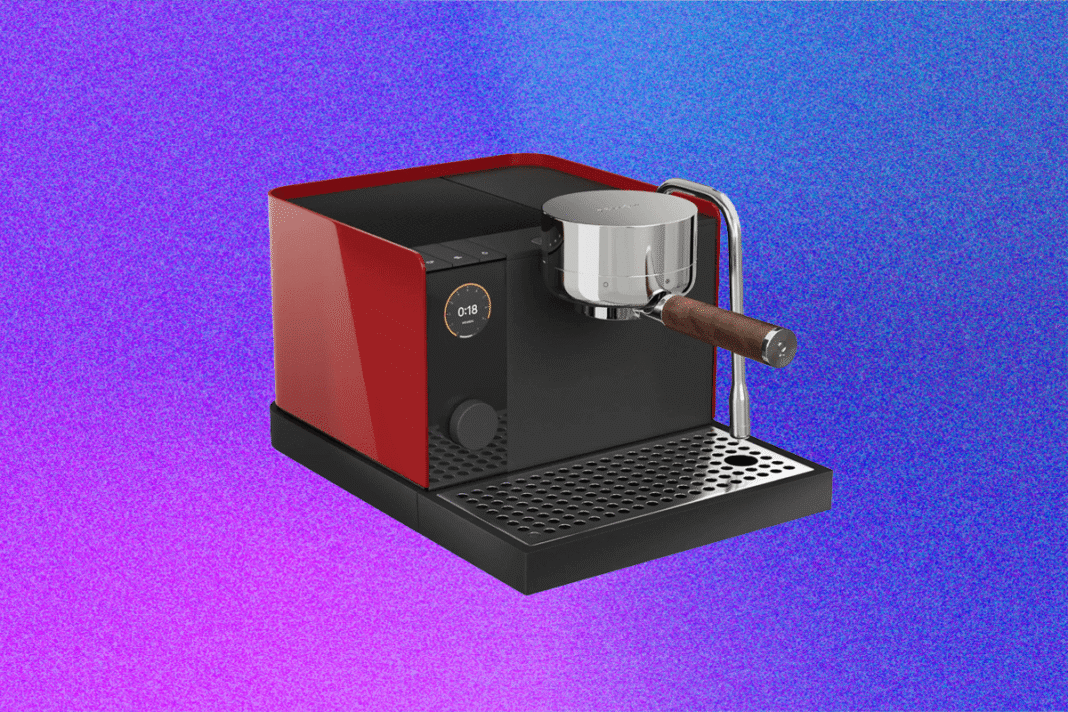
The best espresso machines let home baristas pull café-quality shots without leaving the kitchen. Testing by coffee professionals shows that performance varies widely across models and price points. Choosing the right machine depends on budget, counter space, and how much control a user wants.
Automatic and semi-automatic machines remain the two dominant categories in 2026. Automatic models handle grinding, dosing, and tamping with minimal input. Semi-automatic machines give users hands-on control over extraction for a more involved brewing process.
Budget-friendly options have improved significantly this year. Entry-level machines now offer stable temperatures and consistent pressure at lower prices. Beginners can learn the basics without a major investment.
Mid-range machines balance convenience and control. Many include built-in grinders and programmable shot settings. These models suit daily drinkers who want reliability without commercial-level complexity.
High-end machines target serious enthusiasts. Dual boilers and PID temperature control allow precise adjustment of brew variables. These features support consistent results across repeated shots.
Milk frothing sets models apart in everyday use. Steam wands and automatic frothers produce different textures and require different skill levels. Buyers should match frothing style to the drinks they make most often.
Maintenance and cleaning affect long-term performance. Machines with accessible groups and simple descaling routines hold up better over time. Regular care preserves flavor and extends machine lifespan.
Portafilter size and basket quality influence extraction. Standard 58mm setups offer the widest accessory support. Smaller sizes limit upgrade options but can suit compact kitchens.