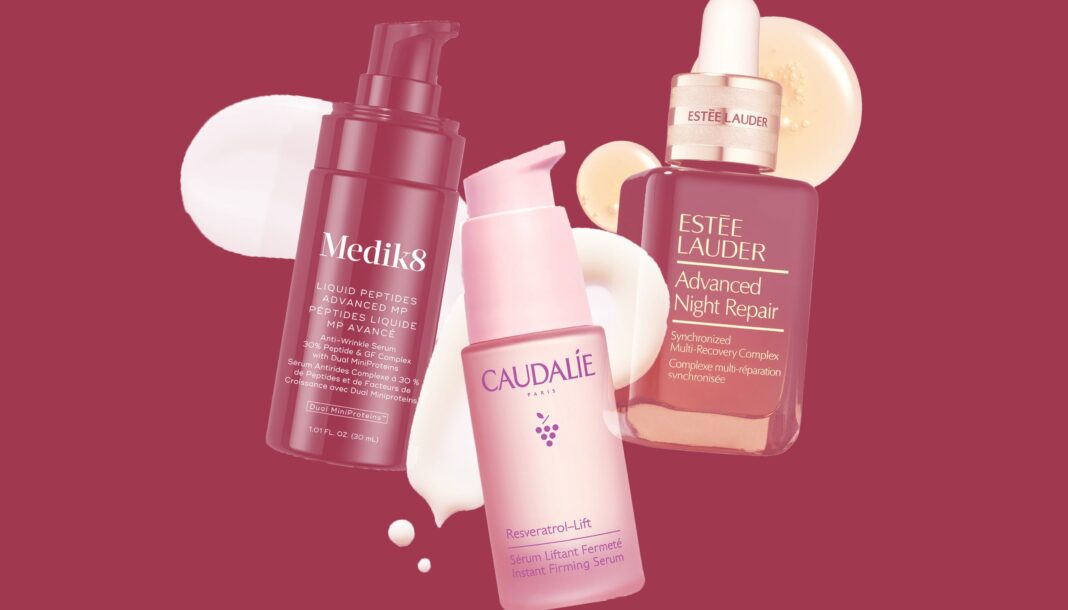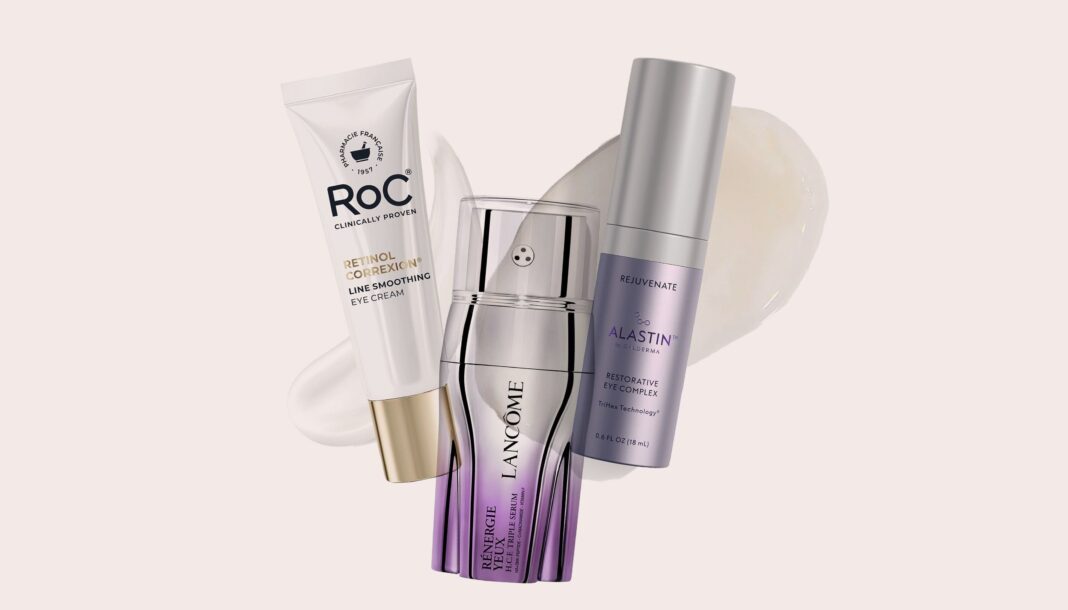
Eye creams targeting wrinkles focus on hydration, firmness, and brightening. Formulas vary by ingredient and skin concern. A well-chosen product can soften crow’s feet and improve elasticity. Consistent use matters more than quick fixes. Dermatologists often recommend pairing creams with sun protection.
Retinol remains a common ingredient for smoothing fine lines. It speeds cell turnover but can irritate sensitive skin. Newer formulas buffer retinol with ceramides and peptides. This reduces redness while maintaining effectiveness. Users typically see gradual results over eight to twelve weeks.
Peptides signal the skin to produce more collagen. They help firm sagging areas around the eyes. Combining peptides with hyaluronic acid boosts moisture retention. This dual approach targets both texture and volume loss. Many drugstore options now include these ingredients at lower prices.
Caffeine temporarily reduces puffiness and dark circles. It constricts blood vessels but does not treat wrinkles directly. Niacinamide strengthens the skin barrier and evens tone. Vitamin C brightens shadows caused by pigmentation. Layering these ingredients requires care to avoid irritation.
Texture matters as much as ingredients for daily use. Thick creams can migrate into eyes and cause blurring. Lighter gels suit oily or combination skin better. Rich balms work for dry, mature skin types. Packaging with pumps protects active ingredients from air exposure.
Application technique affects results. Patting gently with a ring finger prevents tugging. Applying to the orbital bone, not the eyelid, is safer. Morning use should always follow with sunscreen. Evening use allows ingredients to work during repair cycles.
No single eye cream reverses all signs of aging. Genetics, sleep, and sun exposure play larger roles. Creams support skin health but cannot replace professional treatments. Manage expectations and choose based on your primary concern. Patch testing before full use prevents adverse reactions.