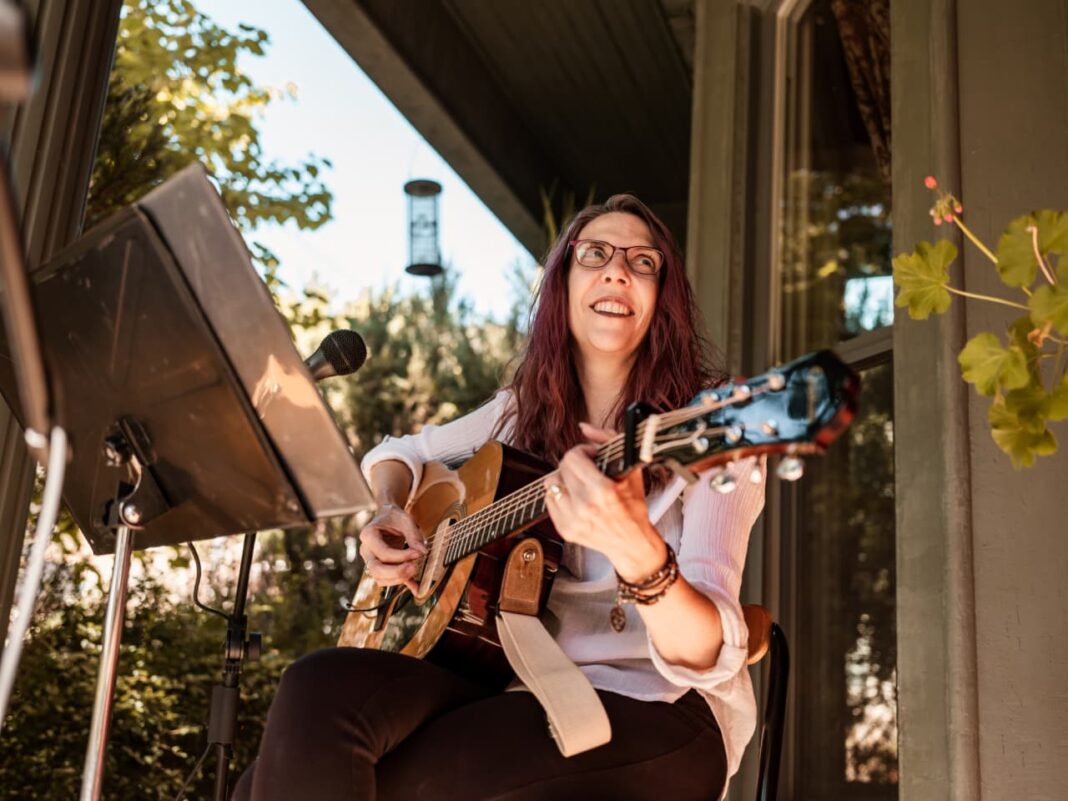
Porchfests are expanding across the United States as free, community-driven music events. These grassroots gatherings turn residential porches into temporary stages for local musicians. The format emphasizes neighborhood connection over commercial profit.
The concept began in Ithaca, New York, in 2007 and has since spread to dozens of cities. Organizers typically recruit homeowners to volunteer their front porches for a single day. Musicians perform short sets for audiences that walk from house to house.
Porchfests remain free to attend, with no tickets or wristbands required. Some events accept voluntary donations for performers or local charities. This open access model distinguishes them from traditional music festivals.
Eight notable porchfests illustrate the movement’s range. They take place in cities such as Cincinnati, Louisville, and Somerville, Massachusetts. Each event reflects its neighborhood’s distinct character and musical tastes.
Local volunteers handle scheduling, sound permits, and artist coordination. Small business sponsorships often cover basic costs like signage and portable toilets. Bands range from amateur acts to seasoned touring musicians.
Attendees typically receive maps or digital guides listing performance times and locations. The walkable format encourages exploration of residential streets. Many porchfests also feature food trucks, craft vendors, and children’s activities.
These events strengthen community ties by transforming everyday spaces into shared cultural venues. Residents who host porches often report meeting neighbors for the first time. The low barrier to entry makes live music accessible to all ages and incomes.
As porchfests grow in popularity, organizers balance expansion with keeping the grassroots spirit. Some now coordinate multiple neighborhoods or add second days. The core principle remains simple: free music, open streets, and local participation.