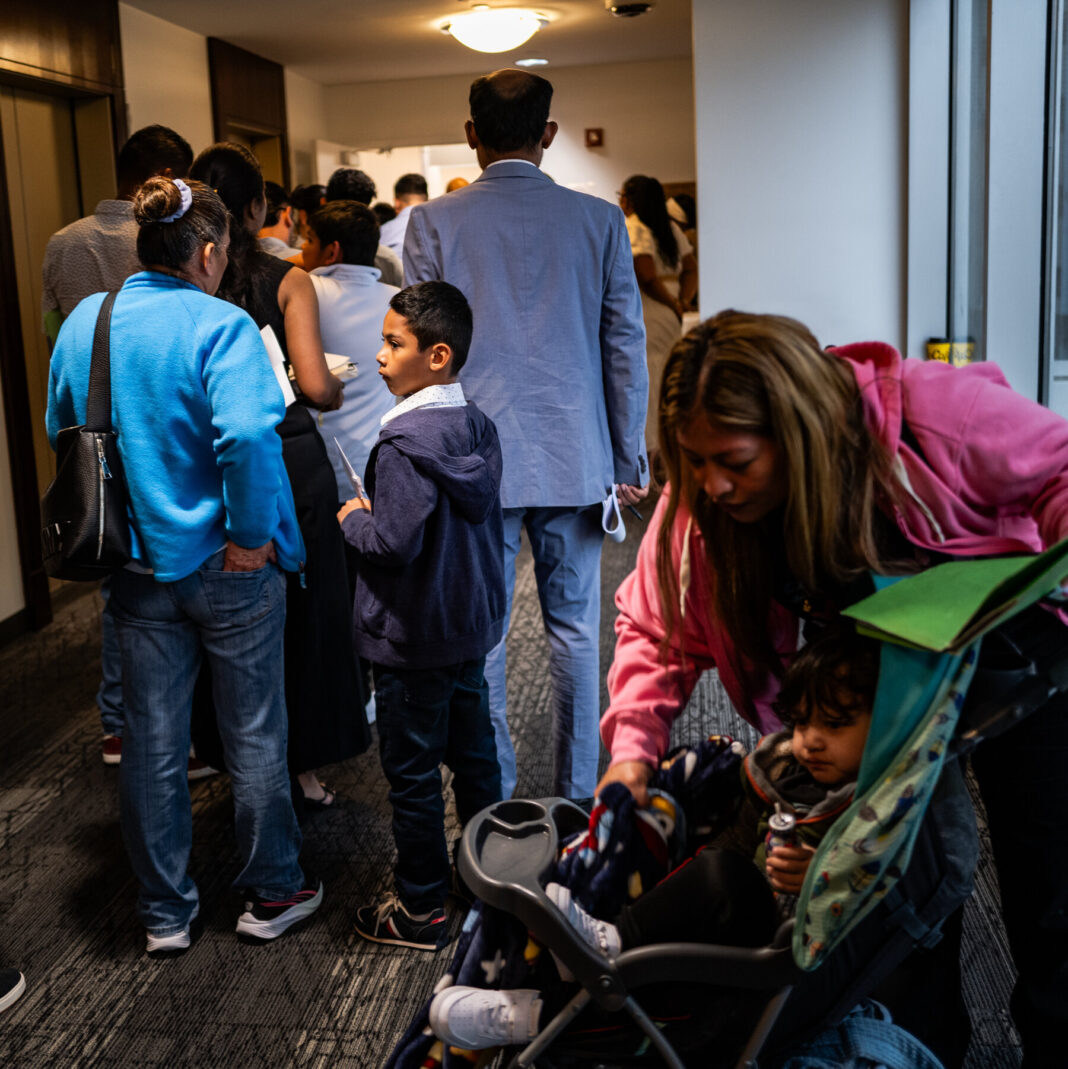
A federal surge has more than doubled caseloads in several immigration courts across the country. Attorneys report that the tactic is causing widespread errors and legal confusion.
The Trump administration’s push to accelerate deportations is overwhelming the immigration court system. New data shows a sharp rise in pending cases, particularly in cities with heavy enforcement activity.
Judges are now managing hundreds more cases than typical standards allow. One court in Texas saw its active caseload jump by 130 percent in just three months.
Lawyers argue that the rapid increase compromises due process. They point to missed filings, incorrect deadlines, and delayed hearings as direct consequences of the strain.
The administration defends the surge as necessary to enforce immigration law. Officials say the goal is to clear backlogs and prioritize removal of individuals with final orders.
Yet critics note that faster processing does not equal fair processing. Many immigrants appear in court without legal representation, making them vulnerable to mistakes.
The strain falls hardest on cities with large immigrant populations. Courts in California, New York, and Florida report the highest increases in new filings.
Case management systems are struggling to keep pace. Clerks and interpreters face burnout, and some judges have requested temporary reassignments.
The backlog now exceeds 3.5 million cases nationwide. At current processing speeds, it could take years to clear the docket.
Immigrant advocates call for more judges and funding. Without additional resources, they argue, the system cannot handle the escalating demands.
The situation highlights a growing tension between enforcement goals and judicial capacity. The outcome will shape the future of U.S. immigration policy for years to come.