Safe, scenic cycling opportunities continue to expand across North America. Cities such as Seattle, Montreal, and Atlanta now offer robust networks for riders. These routes take cyclists past waterways, through parks, and along protected urban lanes.
Seattle provides extensive bike lanes that weave through the city. Riders can enjoy views of Puget Sound while pedaling on the Elliott Bay Trail. The route connects to parks and neighborhoods with minimal car traffic.
Montreal stands out for its dedicated bike paths and bike-share program. Cyclists can explore the Lachine Canal path, which runs along the water. The city’s flat terrain makes it accessible for beginners and experts alike.
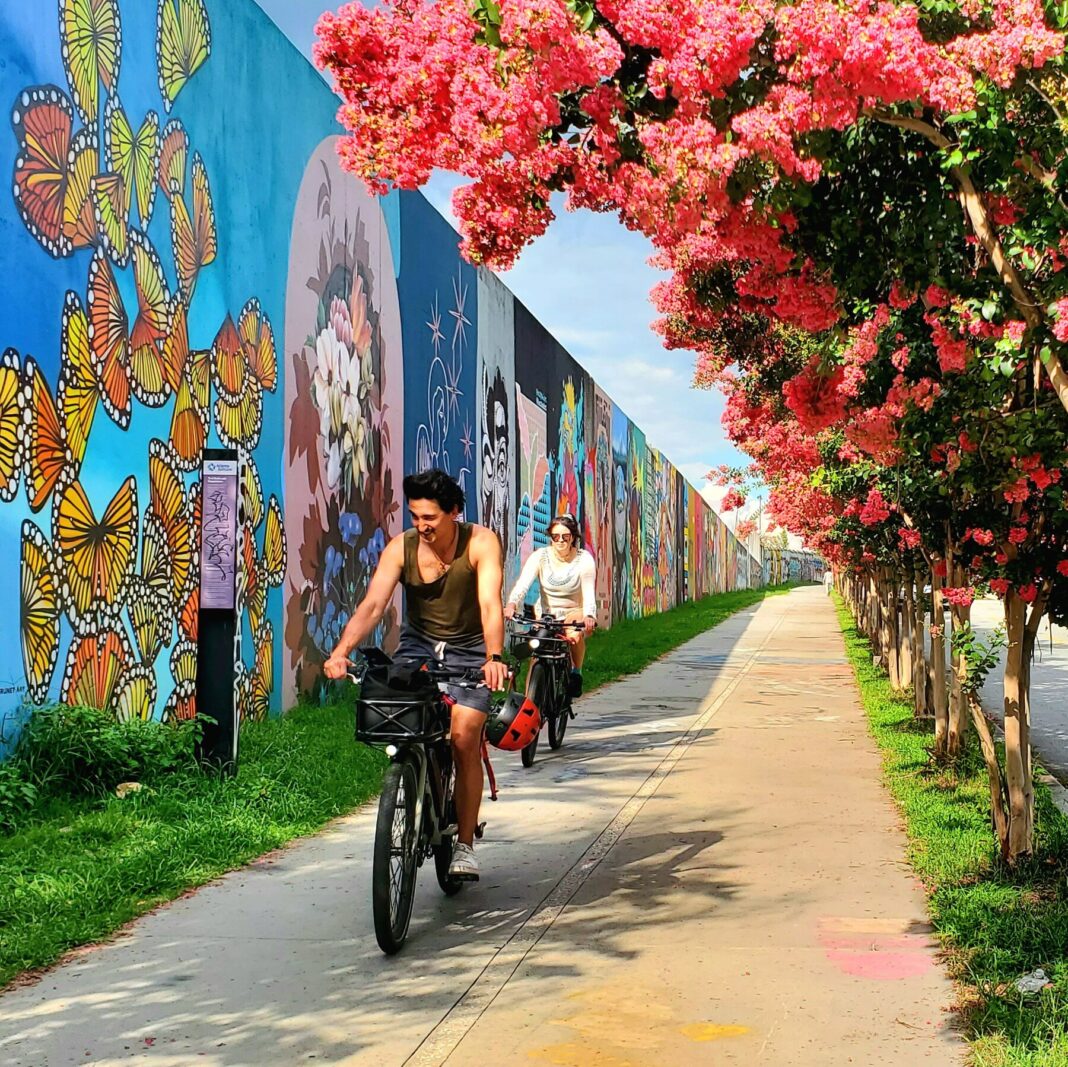
Atlanta has invested heavily in new cycling infrastructure. The BeltLine trail connects multiple neighborhoods through former railway corridors. It offers a car-free experience while showcasing the city’s green spaces.
Portland remains a strong contender for biking enthusiasts. Its network of neighborhood greenways prioritizes cyclists over cars. Riders can access the Willamette River waterfront with ease along protected routes.
Denver’s urban trails link downtown to the Rocky Mountain foothills. The Cherry Creek Trail provides a paved path through the city. Cyclists can transition from urban riding to scenic countryside quickly.
These cities demonstrate how thoughtful planning can improve biking safety. Protected lanes and dedicated paths reduce conflicts with vehicles. Riders benefit from increased access to recreation and commuting options.
Each destination offers unique routes and cultural experiences. Local bike shops and advocacy groups provide updated maps. The trend toward bike-friendly cities continues to grow across North America.