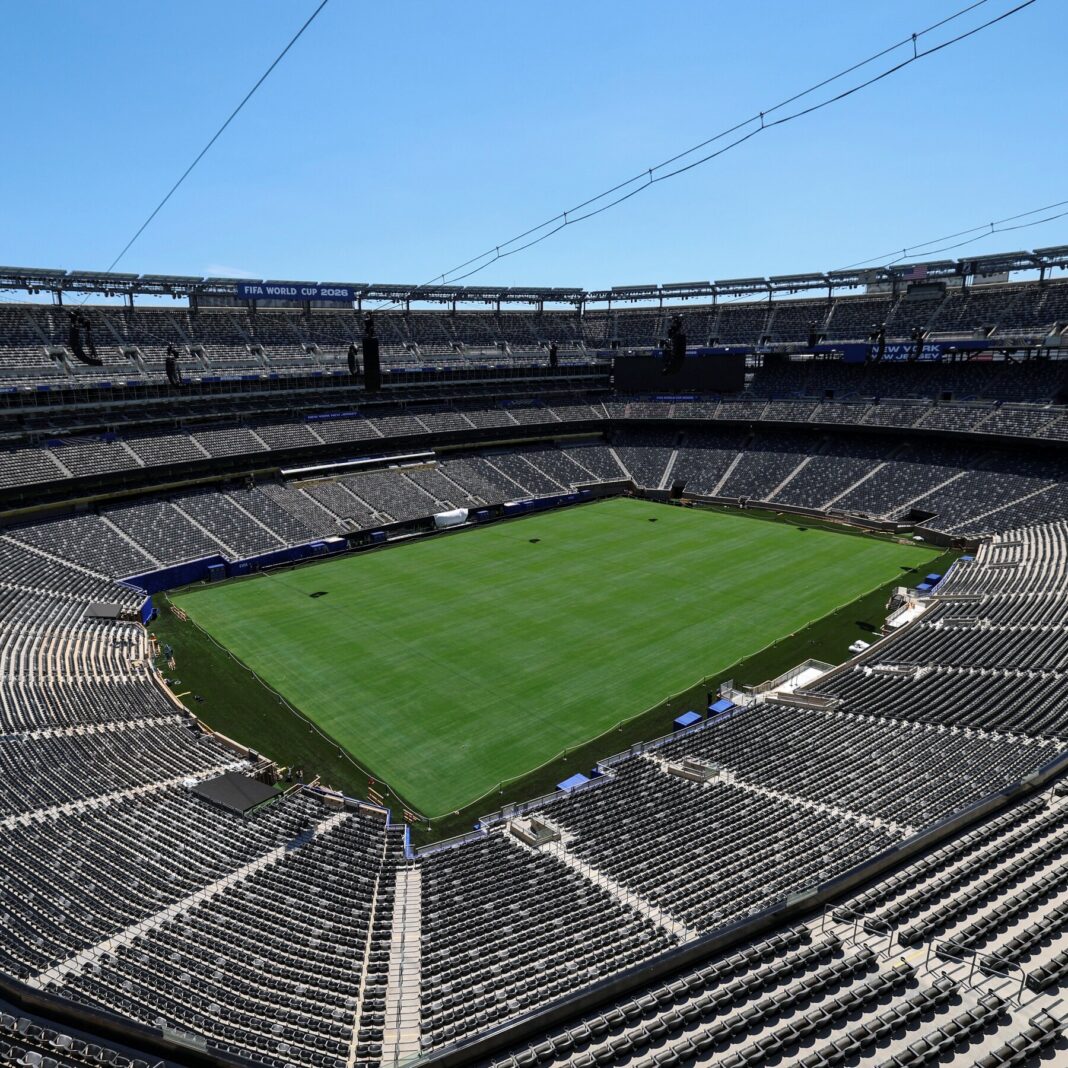
As the 2026 World Cup approaches, the United States is preparing to host a global influx of soccer fans. Organizers anticipate millions of visitors will travel to matches across multiple host cities. The event poses unique logistical challenges for both international and domestic travelers.
Securing tickets remains a central concern for many attendees. Several rounds of sales have already occurred, with varying levels of success reported by fans. The official ticketing platform has faced scrutiny over wait times and pricing structures.
Accommodation near stadiums is another critical issue. Hotel rooms and short-term rentals in host cities have seen significant price surges. Some travelers are exploring alternatives, such as staying in neighboring towns or using public transit.
Travel arrangements within the U.S. add further complexity. The sheer size of the country means many fans will need to fly between match venues. Rental car availability and domestic flight costs are also major factors.
For international visitors, U.S. entry requirements present a distinct hurdle. The visa application process can be lengthy, and the Electronic System for Travel Authorization (ESTA) has strict eligibility criteria. Customs and Border Protection has outlined specific documentation needed for entry during the tournament.
Travelers are navigating these hurdles with varying degrees of preparation. Some have planned months in advance, while others are still finalizing details. The experience of buying tickets, finding lodging, and arranging transportation has become a story in itself.
The New York Times is gathering firsthand accounts from fans making the journey. Reports on ticket purchasing, accommodation search, and dealing with entry requirements are being collected. The goal is to document the real-world experience of attending the World Cup in the United States.