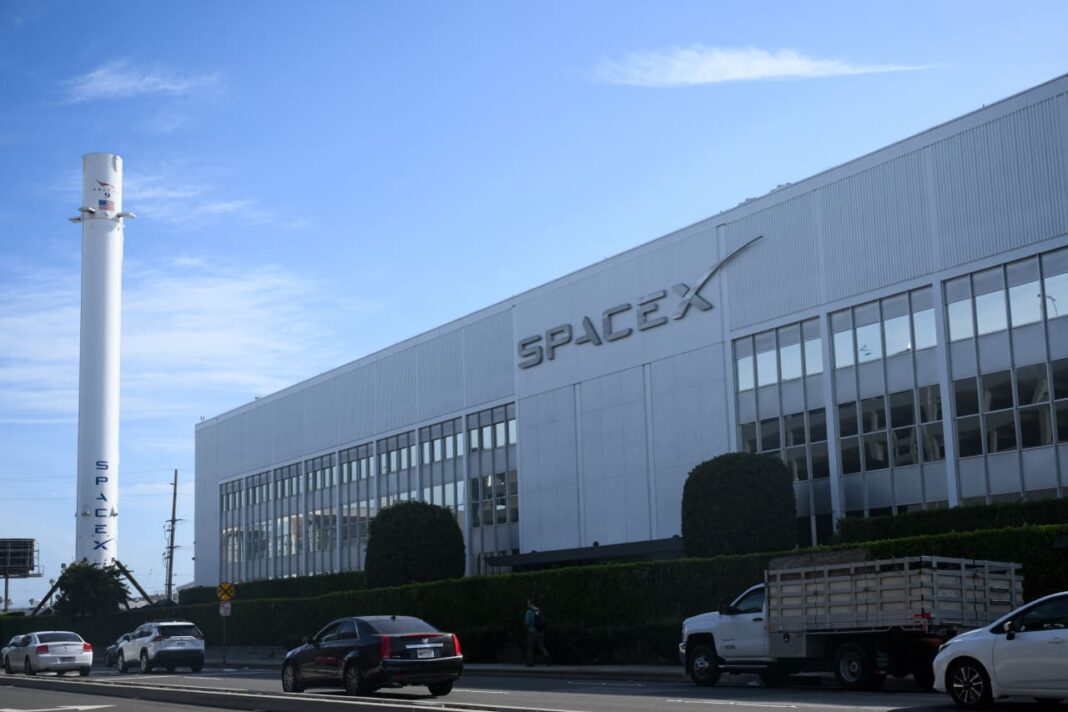
SpaceX is considering an initial public offering, but several warning signs have emerged for potential investors. The company’s high valuation is tied closely to Elon Musk’s personal brand and ambitious goals, creating a significant risk if his reputation falters.
The company has not yet achieved consistent profitability, relying heavily on government contracts and private funding rounds. Revenues from the Starlink satellite internet service, while growing, are still unproven at scale over the long term.
SpaceX faces intense competition from rivals like Blue Origin and established aerospace firms. Delays in key projects, such as the Starship rocket, could further strain investor confidence and timelines.
The company’s valuation has surged in private markets, but public investors may not see the same returns. Overvaluation relative to earnings potential remains a red flag for many analysts.
Regulatory hurdles are also a concern, particularly around satellite deployment and space debris management. Changes in government policy or environmental scrutiny could impact operations.
Musk’s leadership style, including his controversial public statements, introduces volatility that traditional investors often avoid. Corporate governance at SpaceX remains closely held, limiting transparency.
Finally, the space industry’s inherent technical risks, such as launch failures or accidents, could lead to significant financial setbacks. These factors make the SpaceX IPO a high-stakes bet for any portfolio.