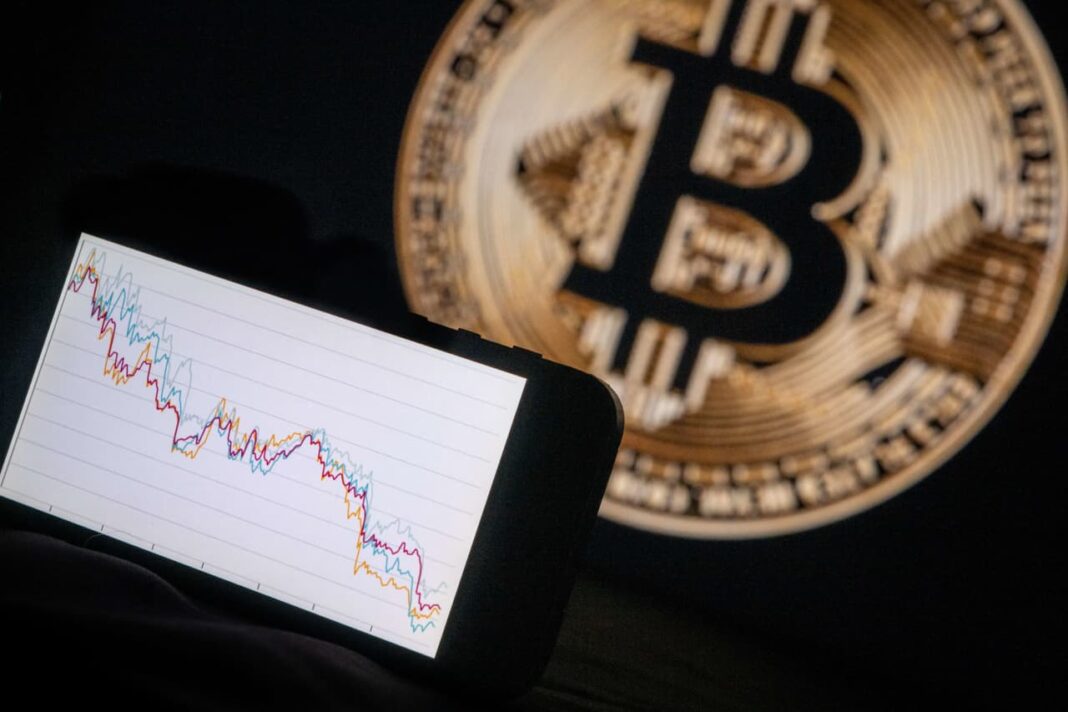
Bitcoin’s long-term return may be close to zero according to some analysts, a feature that could actually support its transition into a practical currency. Stable value is more important for everyday use than high volatility.
Predictable pricing would build trust among merchants and consumers. A currency that fluctuates wildly fails as a medium of exchange. Bitcoin needs stability to handle purchases and wages.
High returns attract speculators, not users. Investors chase gains, but currencies must hold value reliably. Shifting from investment asset to payment tool requires this fundamental change.
Volatility remains Bitcoin’s biggest hurdle for mainstream adoption. A near-zero return profile would signal maturity. Markets would view it less like a tech stock and more like cash.
This transition has happened before with other assets. Gold once fluctuated wildly before becoming a store of value. Bitcoin’s path may follow a similar evolution over time.
Regulatory clarity would also support this stability. Governments could treat a stable Bitcoin differently than a speculative one. Legal frameworks could adapt to a currency-like role.
Institutional adoption depends on predictability. Banks and payment processors need reliable settlement tools. A non-volatile Bitcoin fits seamlessly into existing financial infrastructure.
Mining economics would also shift with stable prices. Miners could forecast revenue more accurately. Long-term network security depends on predictable operational costs.
Consumer behavior changes when volatility drops. People spend stable currencies but hoard volatile ones. Bitcoin’s future as money hinges on this behavioral shift.