In Bordeaux, the world’s most famous wine region, locals largely avoid drinking Bordeaux wine in restaurants and wine bars. A quiet shift has taken place in the city’s dining scene. Plenty of other wines fill the glasses, but bottles of the local product are rarely ordered.
The trend reflects a broader movement among younger wine drinkers. They seek lighter, fresher styles that contrast with the often heavy, tannic profile of traditional Bordeaux reds. Wine lists now feature selections from the Loire, Beaujolais, and even natural wines from further afield.
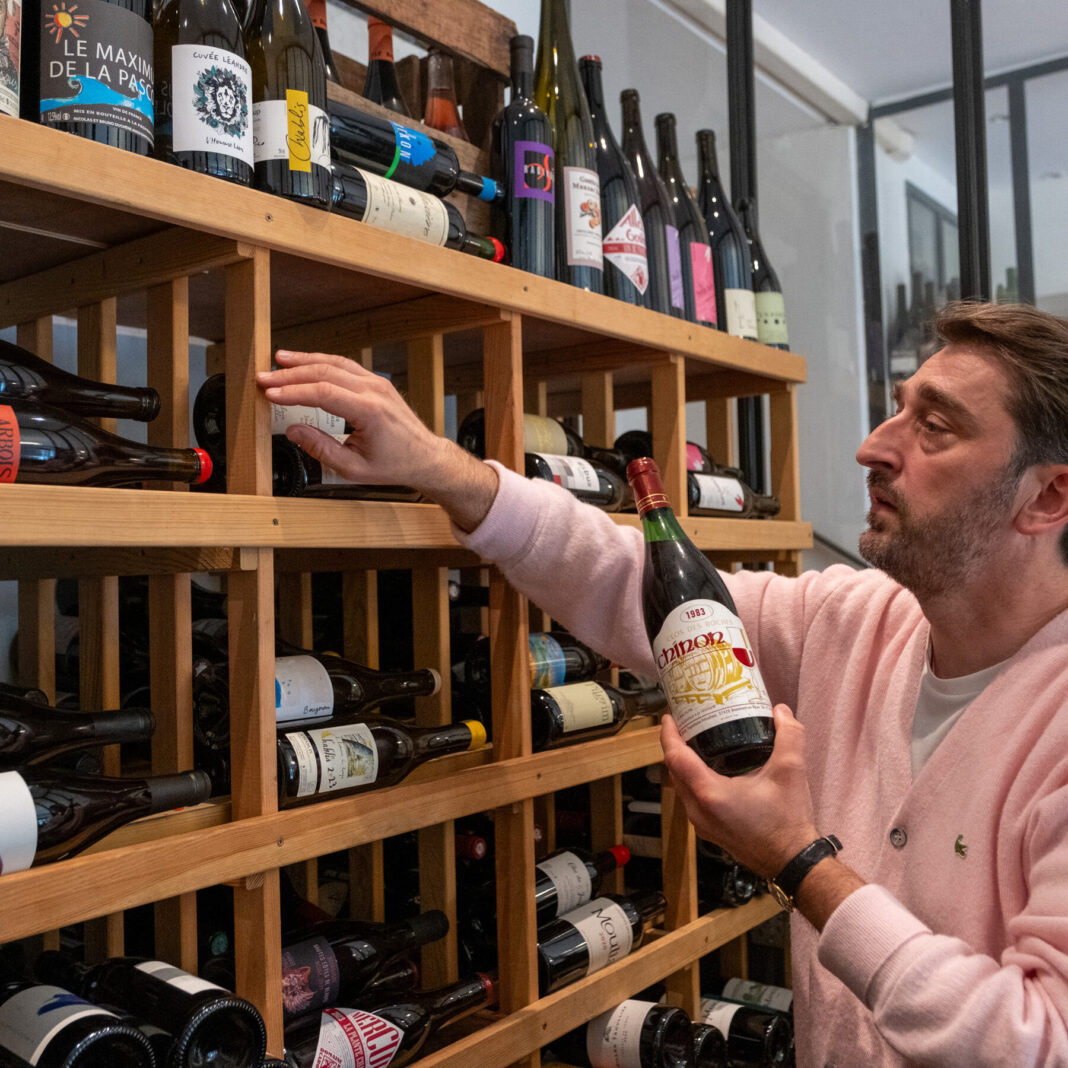
Sommeliers in the city have adjusted their offerings to match changing tastes. Many now stock a greater variety of non-Bordeaux wines, capturing the curiosity of local patrons. This new preference does not signal a rejection of quality, but a desire for diversity.
Producers in Bordeaux have taken note of the shift. Some have begun experimenting with earlier harvests and gentler winemaking techniques. These efforts aim to create wines that appeal to the local palate without sacrificing regional identity.
The phenomenon also highlights a broader generational divide. Older wine enthusiasts may still prefer the structured, age-worthy bottles that built Bordeaux’s reputation. Younger drinkers, however, prioritize approachability and immediacy in their wine choices.
Wine bars in the city have become laboratories for this new drinking culture. They pour unknown varietals and experimental blends, drawing a crowd eager for discovery. The usual Bordeaux labels sit untended on back shelves.
This local disinterest carries an ironic twist. While tourists flock to Bordeaux to taste its signature wines, residents explore everything else. The region’s own product has, for the moment, become an outlier in its hometown.