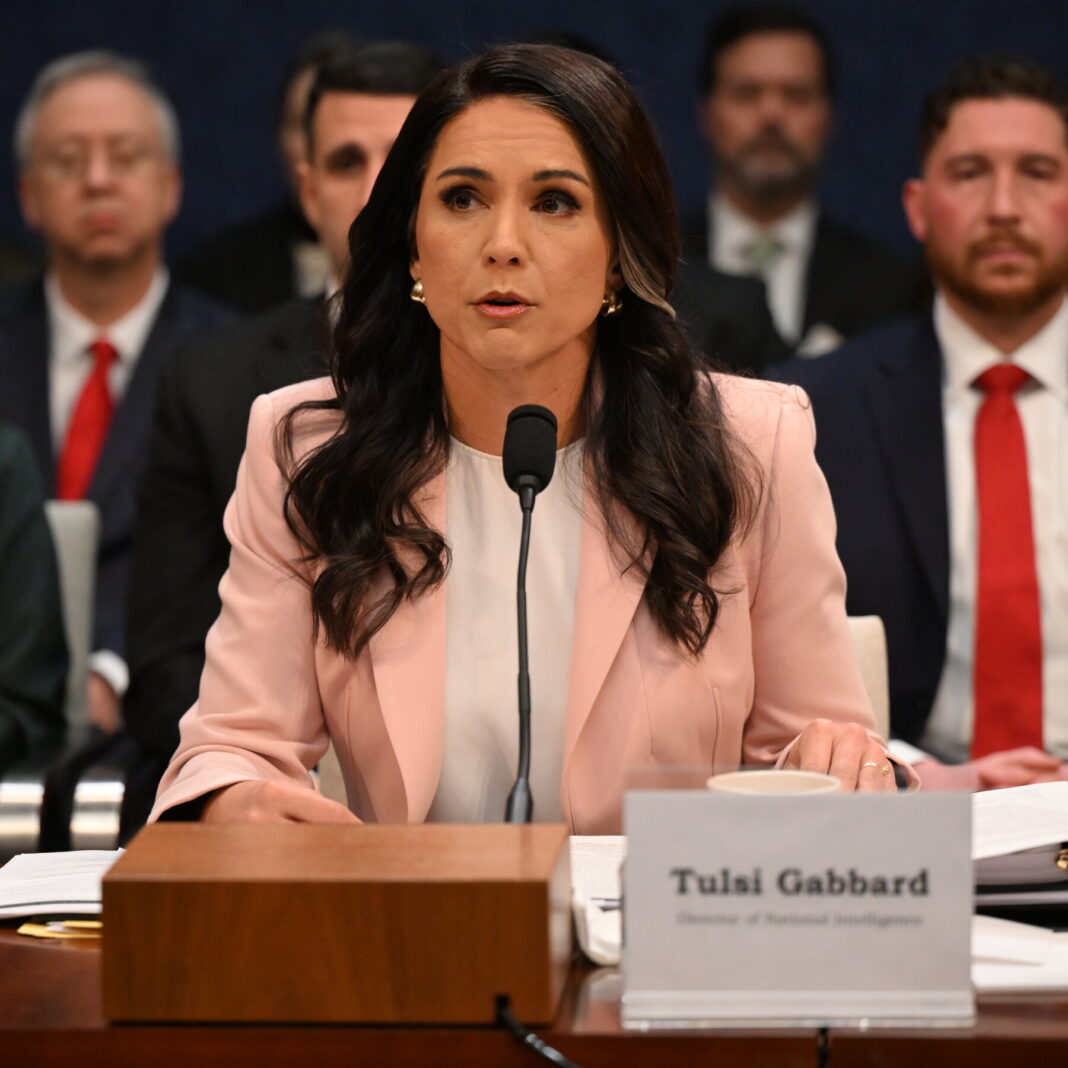
Tulsi Gabbard, the director of national intelligence, has revoked Biden-era assessments regarding Havana syndrome. The move overturns previous reviews that questioned whether a foreign adversary caused the mysterious ailments.
Earlier government analyses had cast doubt on the idea that an enemy state was responsible. Those assessments suggested the symptoms might have other explanations.
Havana syndrome refers to a range of health issues reported by American spies and diplomats. Symptoms include headaches, dizziness, and cognitive problems.
The original evaluations were completed under the Biden administration. They found no credible evidence linking the incidents to a specific foreign power.
Gabbard’s decision signals a shift in how the intelligence community views the events. It opens the door for renewed investigations into potential foreign involvement.
The change has drawn mixed reactions from officials and experts. Some see it as necessary to address ongoing concerns from affected personnel.
The action also aligns with broader efforts to review previous intelligence findings. Gabbard has emphasized a need for transparency in addressing these cases.
Affected diplomats and spies have long pushed for official recognition. They argue that dismissing the possibility of an attack undermines their experiences.