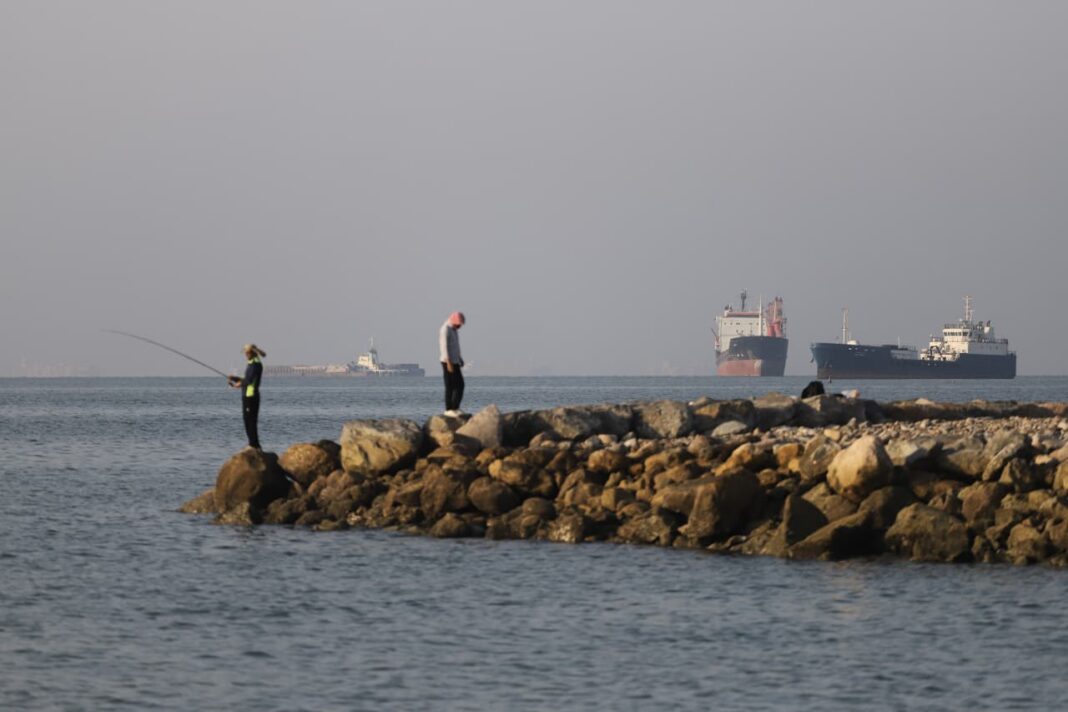
Global oil prices fell to $88 a barrel on Friday, driven by growing hopes for a peace deal between the United States and Iran that could be reached as early as this weekend. A potential agreement would reopen the Strait of Hormuz, a key chokepoint for global crude shipments.
West Texas Intermediate crude dropped in trading, along with Brent crude, the international benchmark. The declines came following reports that a deal would lift oil sanctions on Iran, allowing the country to resume exports.
Iran has been under heavy U.S. sanctions since 2018, cutting its oil exports significantly. A diplomatic resolution could add millions of barrels per day to global supply, easing tight market conditions.
The Strait of Hormuz is a narrow waterway that handles about a fifth of the world’s oil consumption. Its closure earlier this year triggered price spikes and market volatility.
Traders have been closely monitoring diplomatic talks between Washington and Tehran. Any sign of progress has historically pressured oil prices downward.
The potential deal comes amid broader efforts to stabilize energy markets, which have been strained by geopolitical tensions and production cuts from major exporters.
Market analysts remain cautious, noting that negotiations could still collapse. Uncertainties around enforcement of any agreement also persist.
Oil prices had surged above $90 a barrel earlier this month due to supply concerns. The recent drop reflects shifting market sentiment toward a more balanced outlook.
Investors are now watching for official confirmation from both governments. A finalized deal could trigger further price declines in the coming weeks.