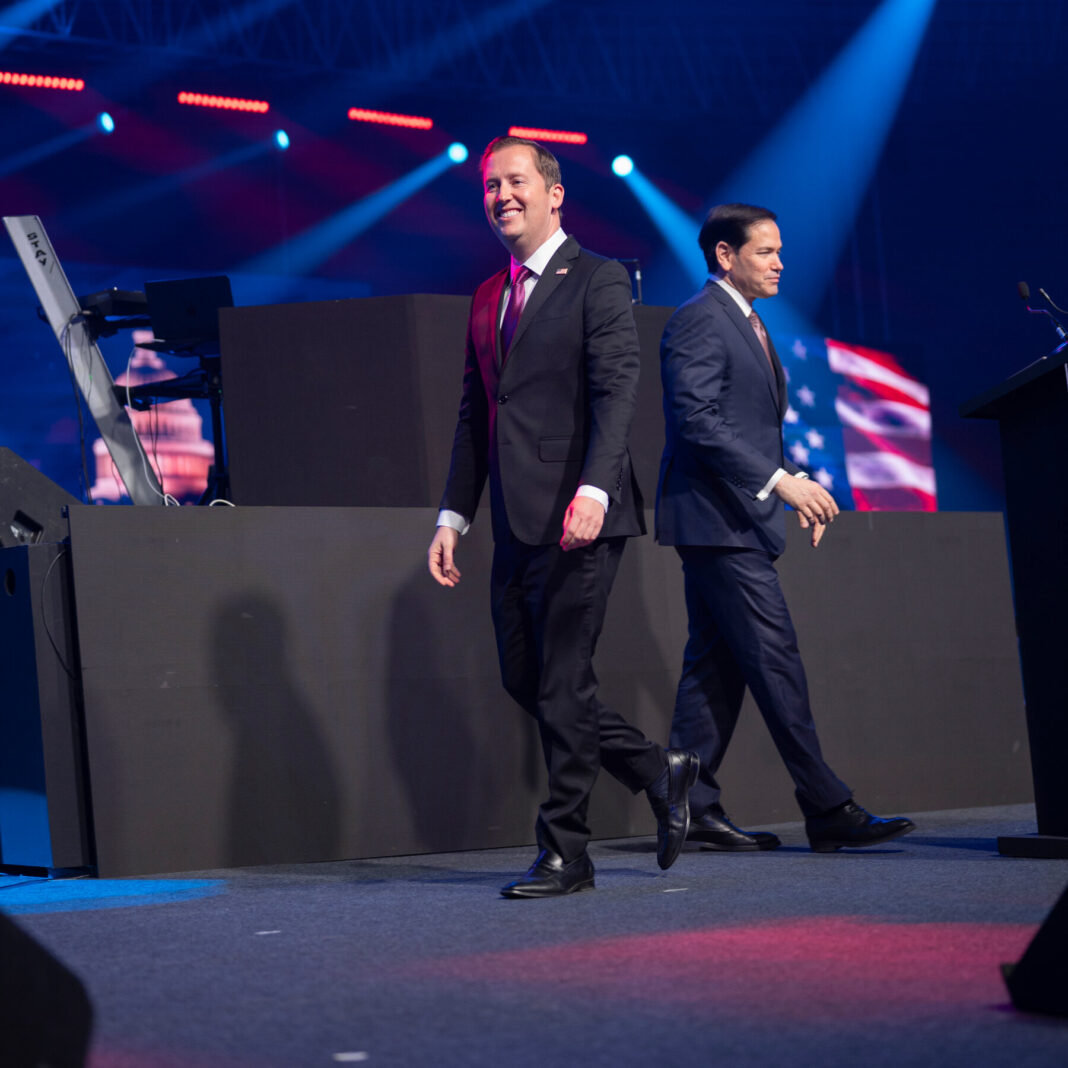
Sergio Gor, serving as U.S. Ambassador in New Delhi, is reshaping the traditional diplomatic role during the Trump era. His approach focuses heavily on securing business deals and advancing commercial interests abroad.
Ambassador Gor has surprised career diplomats by reversing a long-planned embassy building project in India. The decision disrupted years of preparation and signaled a sharp departure from standard diplomatic procedure.
His tenure prioritizes transactional diplomacy over symbolic or long-term relationship building. Gor actively courts private sector partnerships, positioning the embassy as a hub for economic negotiations rather than purely political engagement.
The reversal of the embassy construction plan drew immediate criticism from state department officials. Some viewed the move as undermining the institutional memory and strategic planning of U.S. foreign missions.
Supporters argue Gor’s methods bring efficiency and direct results to American interests overseas. They point to increased investment deals and faster approvals for U.S. companies operating in India.
Gor’s style reflects broader shifts in U.S. foreign policy under the Trump administration. Ambassadors now face greater pressure to demonstrate tangible economic outcomes rather than solely maintaining diplomatic traditions.
Career diplomats have had to adapt to Gor’s unconventional leadership. Many report a steep learning curve as traditional protocols give way to a more business-oriented approach.
The ambassador’s actions in New Delhi serve as a case study for how the Trump era is redefining ambassadorial roles worldwide. His tenure highlights the tension between established diplomatic norms and new expectations for results-driven foreign policy.