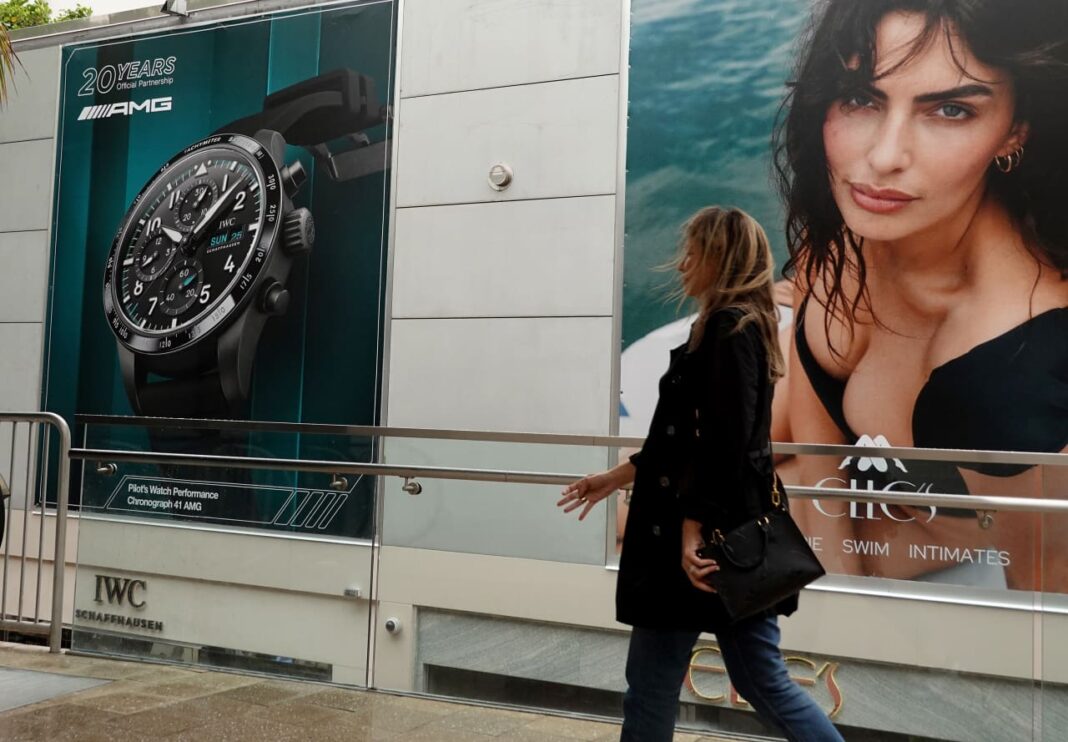
Wealthy consumers continue to spend freely on high-end goods, a trend economists call “unapologetic luxury.” This persistent demand is keeping prices elevated in luxury sectors. The behavior shows little sign of slowing despite broader economic pressures.
This spending spree among the rich is not isolated to exclusive boutiques. It has a ripple effect that extends into everyday markets. As luxury brands raise prices, producers of standard goods often follow suit. This dynamic contributes to higher costs for common household items.
The Federal Reserve relies on interest rate hikes to cool the economy and curb inflation. However, the affluent are largely insulated from these rate increases. They often carry less debt and hold more assets, making them less sensitive to higher borrowing costs.
This disconnect creates a challenge for the Fed. Its primary tool for fighting inflation loses effectiveness when a significant portion of consumers is unresponsive. The central bank may need to apply more aggressive measures to slow the entire economy.
Higher overall prices, driven partly by luxury demand, disproportionately affect lower-income households. These families spend a larger share of their income on essentials like food and gas. They feel the pinch of inflation most acutely, even if they never purchase a luxury item.
The trend of unapologetic luxury spending appears durable. Wealthy consumers view these purchases as justified rewards, regardless of the economic climate. This mindset keeps pressure on prices across multiple market tiers.
For the average consumer, the result is a slower path to price stability. Until luxury spending cools or the Fed finds new strategies, everyday goods are likely to remain expensive. The divide between the spending habits of the rich and the reality for everyone else continues to widen.