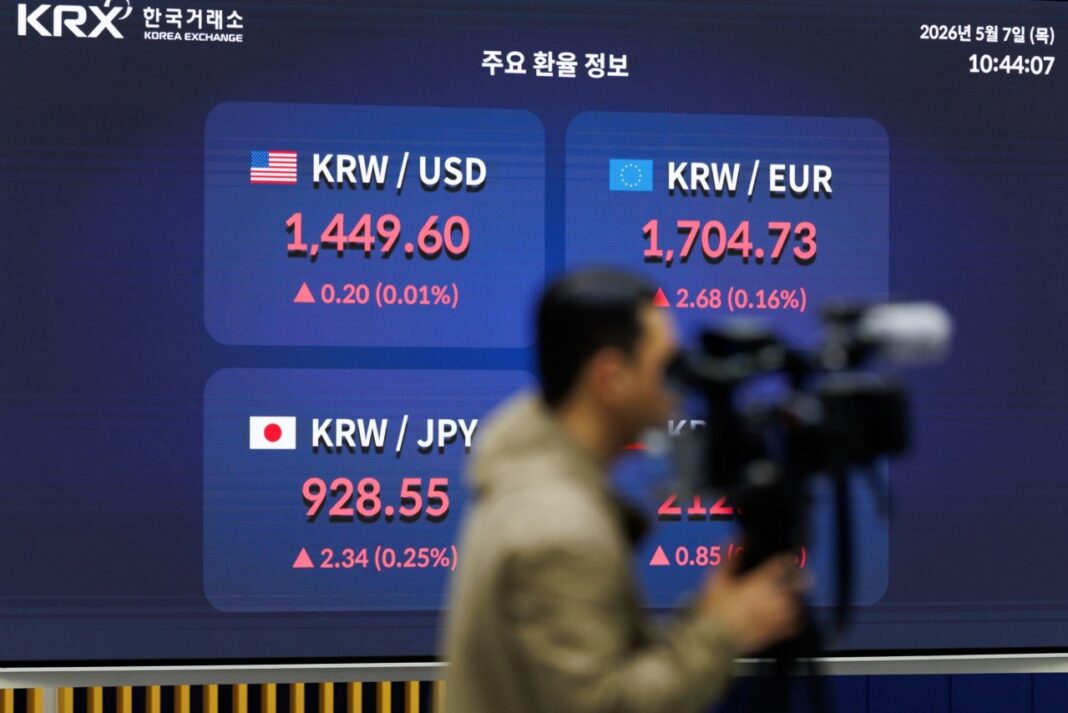
Asian currencies have faced significant pressure in recent months, driven by a combination of global economic factors. The energy crisis has hit the region hard, raising import costs and straining trade balances. Many Asian economies rely heavily on energy imports, leaving them vulnerable to price spikes.
U.S. interest rate hikes have further compounded the problem. Higher rates in the United States attract capital away from Asian markets, strengthening the dollar and weakening local currencies. This has forced central banks to intervene to prevent excessive depreciation.
The rapid expansion of artificial intelligence spending has also played a role. Investment in AI has funneled capital into tech-heavy markets like the U.S., diverting funds from emerging Asian economies. This shift has added to currency instability across the region.
Governments in Asia have responded with a range of measures. Central banks have raised interest rates to defend their currencies, while some have dipped into foreign reserves to slow declines. These actions aim to cushion the blow but come with trade-offs.
Higher rates can slow domestic economic growth, making it harder for businesses to borrow and expand. Meanwhile, dipping into reserves is not a sustainable long-term solution. Policymakers are walking a tightrope between stability and growth.
The charts show a clear pattern of depreciation against the dollar across key Asian currencies. The Japanese yen, South Korean won, and Indian rupee have all seen notable drops, reflecting the broad nature of the trend.
Despite the challenges, some analysts see potential for recovery. If energy prices stabilize and U.S. rate cuts materialize, Asian currencies could regain lost ground. For now, the pressure remains intense.
The situation underscores the interconnected nature of global finance. Events in distant markets can ripple through Asia, testing the resilience of its economies. Policymakers must remain vigilant to navigate these turbulent times.