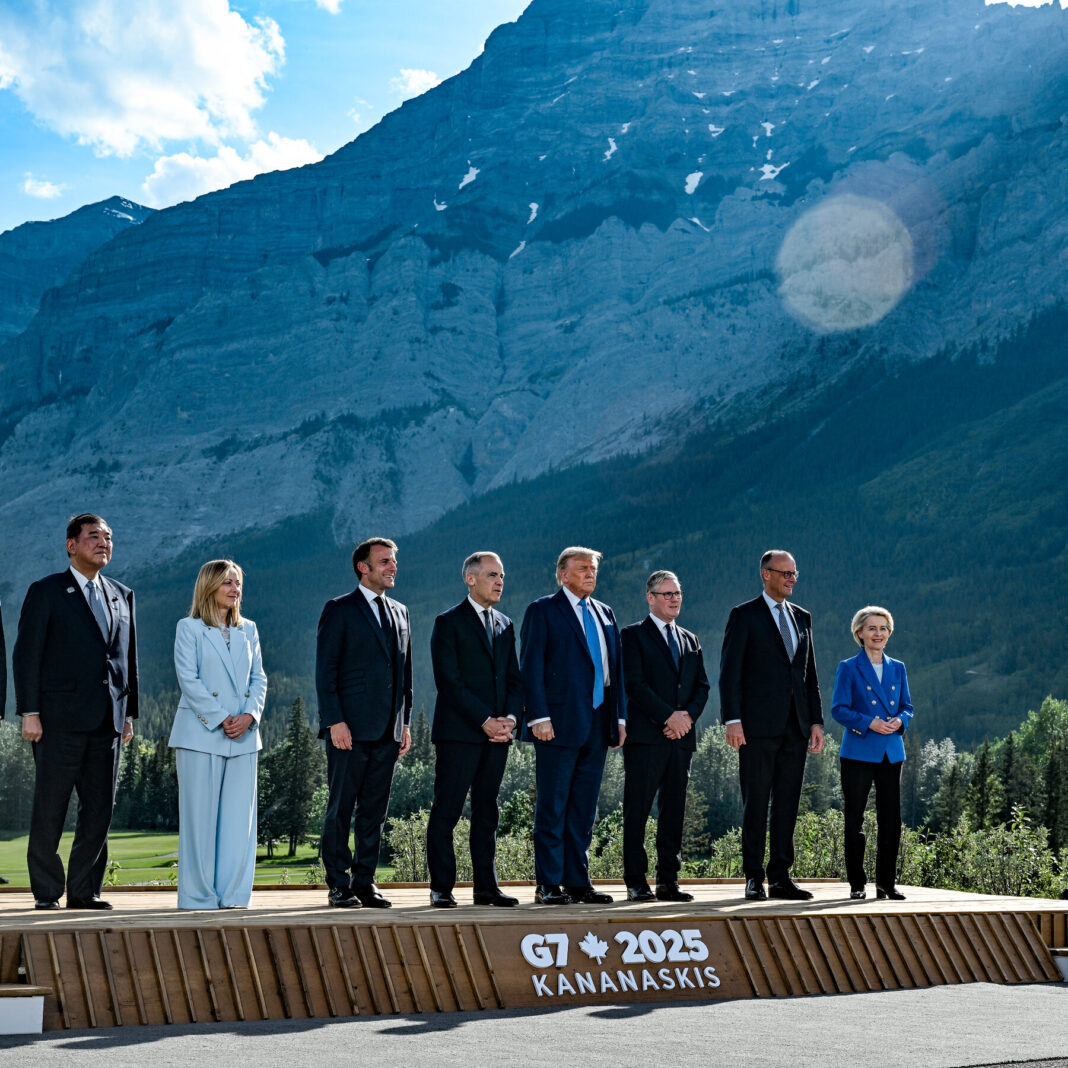
The G7 summit once stood as a symbol of a unified global diplomatic order. This year’s gathering, beginning on Monday, instead represents its unraveling.
Chaos and division mark the lead-up to the meeting in Evian, France. The absence of a shared agenda reflects deeper fractures among member nations.
President Trump’s confrontational approach drives much of the discord. His demands for trade concessions and criticism of allies have strained relations.
European leaders express frustration with the shifting U.S. stance. They worry about the stability of longstanding economic and security partnerships.
Climate change and global health policies remain points of contention. The United States has pulled back from commitments once seen as foundational.
Negotiators struggled to draft a final communique amid fundamental disagreements. Some officials predict the summit will end without a joint statement.
The gathering highlights a broader trend of declining multilateral cooperation. These meetings once reinforced collective action, but now expose competing national interests.
Observers note the summit’s reduced ability to address global crises effectively. The fragmented environment undermines efforts to coordinate on pressing issues.
Diplomatic sources confirm that bilateral tensions will dominate formal sessions. Leaders must now manage personal rivalries alongside policy disputes.
The outcome will signal the future of G7 relevance. A fractured summit may further weaken trust in international institutions.