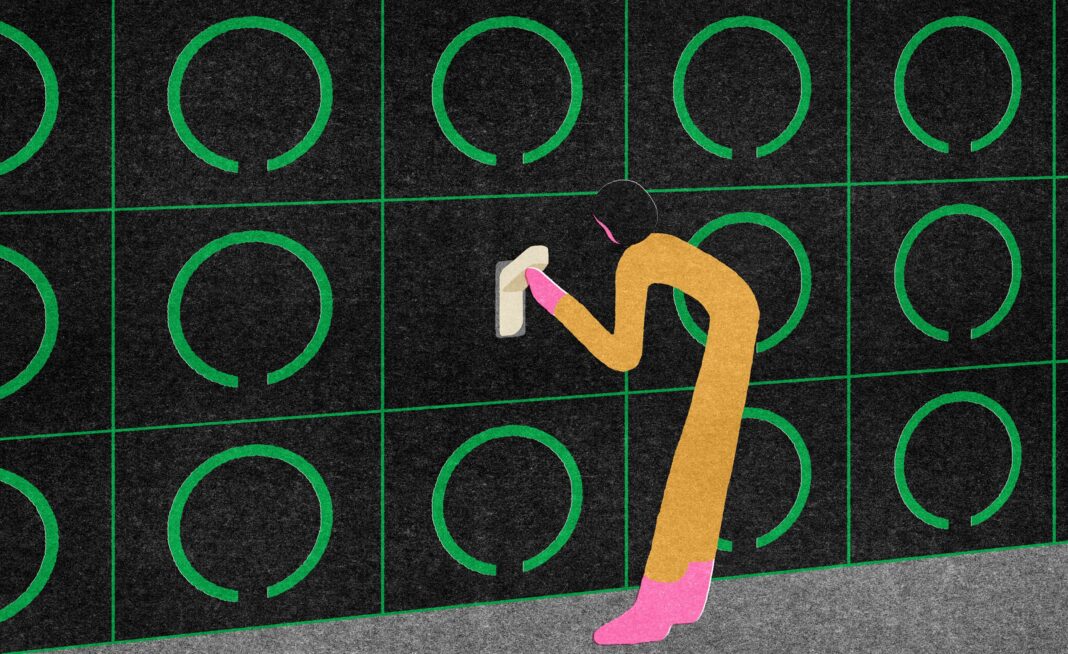
Jill Kargman, an actor, writer, and satirist, has rejected the tide of smart technology in her home. She advocates for an analog lifestyle, calling her residence a “dumb house.” This concept deliberately avoids voice assistants, smart locks, and automated systems.
Kargman argues that smart home features often solve problems that do not exist. Instead, they introduce complexity, potential privacy risks, and constant connectivity. She prefers the simplicity of manual switches, physical keys, and real-world interactions.
The trend toward smart homes has grown rapidly over the past decade. Tech companies market convenience, energy savings, and security enhancements. However, Kargman sees these benefits as less valuable than the peace of mind from a low-tech environment.
Her stance challenges the notion that more technology equals better living. She finds joy in unplugging and focusing on human connections. The dumb house allows for more presence and less screen time.
Privacy concerns also drive her decision. Smart devices can collect data on daily habits, conversations, and routines. Kargman avoids this surveillance by keeping her home free of internet-connected gadgets.
The practical benefits of a dumb house include lower costs and fewer repair needs. Simple systems are easier to maintain and replace. They do not require software updates or compatibility checks.
Kargman’s perspective resonates with a growing number of people. Some are choosing to downsize their digital footprint. Others seek a respite from the always-on culture.
Ultimately, the dumb house represents a conscious choice. It values simplicity, privacy, and human interaction over technological flash. Kargman invites others to reconsider their relationship with smart devices.