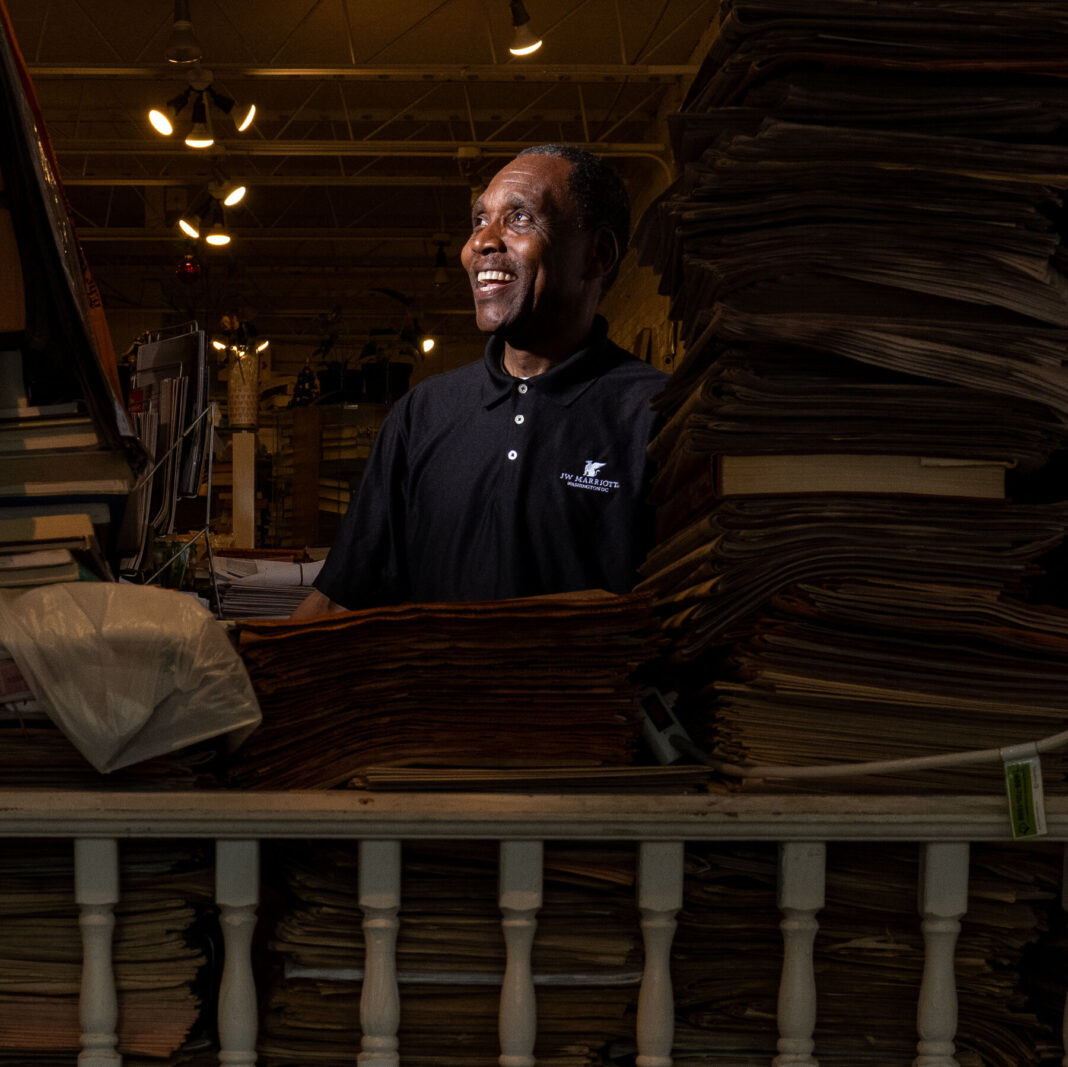
The Newsroom in Washington, D.C., a retail space packed with magazines and newspapers on mismatched shelves, has survived as a relic of a different era. It represents a city where print media once dominated daily life. The shop is now making a deliberate effort to remain a destination for shoppers, not just a place to grab a quick paper.
Located near the White House, The Newsroom has become an anomaly in a rapidly digitizing news landscape. Its inventory includes hundreds of domestic and international titles, from niche hobby magazines to major political journals. The store’s physical presence challenges the trend of news moving entirely online.
Proprietors are adapting to changing consumer habits without abandoning their core identity. They have curated a selection that appeals to collectors and casual readers alike. The goal is to create an experience that online retailers cannot replicate.
Shoppers often browse for items they cannot find elsewhere, including limited-edition covers and foreign publications. This strategy turns a simple transaction into a discovery process. The store relies on foot traffic from tourists, journalists, and locals seeking tangible media.
Operating costs in the nation’s capital remain high, forcing The Newsroom to innovate. The business now hosts events and offers subscription services to build loyalty. These additions help stabilize revenue without shifting focus from print.
The shop’s survival has drawn attention from media observers who see it as a test case for physical newsstands. It demonstrates that demand for paper-based reading still exists, though it requires active cultivation. The model depends on community support and strategic curation.
For now, The Newsroom continues to serve as a unique intersection between journalism history and modern retail. It proves that a newsstand can evolve while preserving its original purpose. The venture remains a quiet counterpoint to the digital rush.