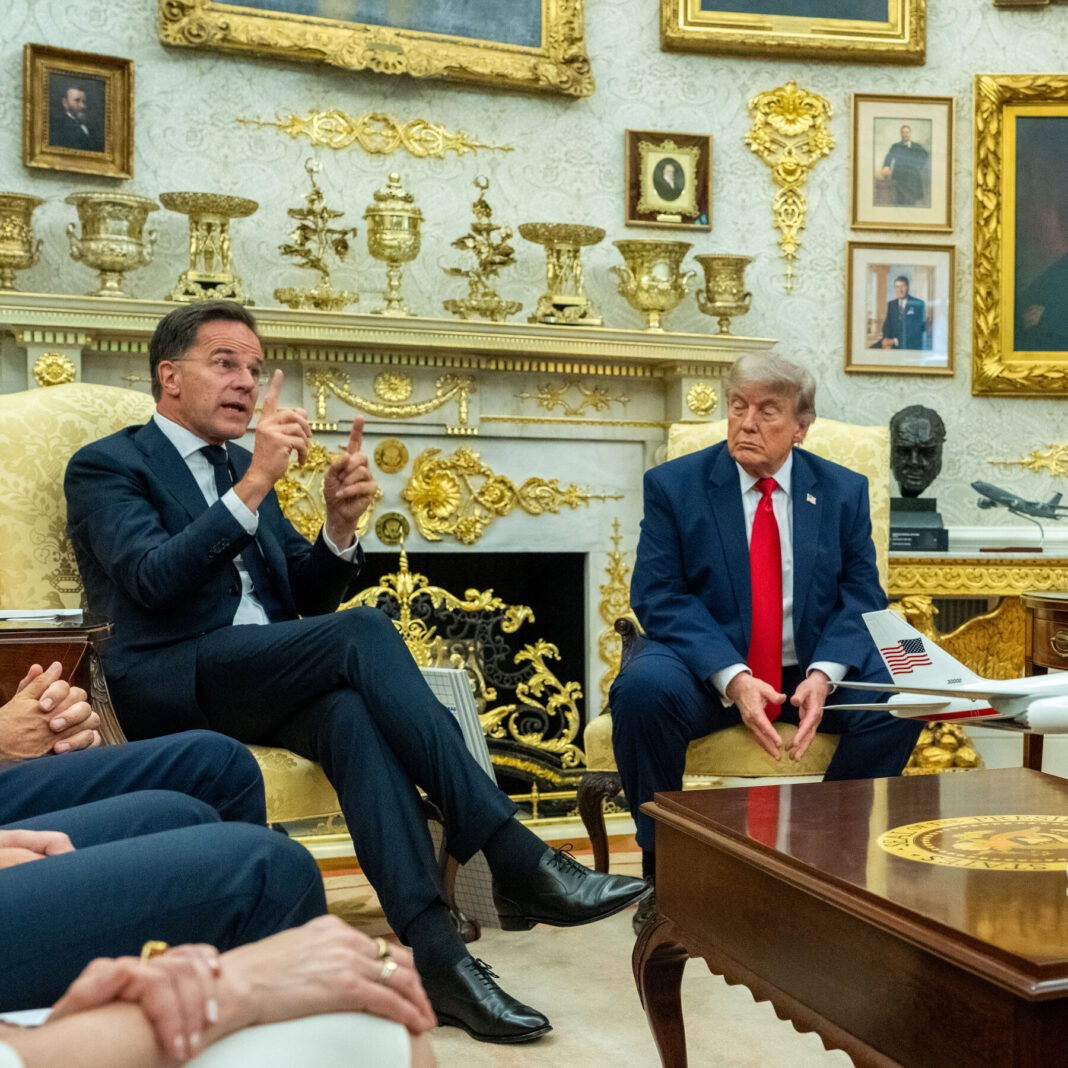
NATO’s Secretary General Mark Rutte met with President Donald Trump this week, armed with data to make the case for preserving the transatlantic alliance. Rutte used charts and spending figures to address Trump’s long-standing criticism of European defense contributions. The presentation demonstrated that European nations were “equalizing” their military expenditures with those of the United States.
The meeting aimed to calm tensions that have simmered between the White House and NATO leadership for months. Trump has repeatedly argued that European allies rely too heavily on American security guarantees. Rutte’s data-driven approach appeared to soften the president’s stance, at least temporarily.
Defense spending among NATO members has increased significantly in recent years, following the 2014 pledge to allocate 2% of GDP to military budgets. Many European countries have now met or exceeded that target, reducing the gap with U.S. contributions. Rutte highlighted these trends as evidence of a more balanced partnership.
The conversation also touched on broader geopolitical threats, including Russian aggression and instability in the Middle East. Rutte emphasized that a unified NATO remains essential for deterring these challenges. He argued that dismantling the alliance would undermine both European and American security interests.
Trump’s past threats to withdraw from NATO have alarmed allies and fueled debates in Washington. Critics warn that such a move would weaken global stability and embolden adversaries. The president, however, has framed the alliance as an unequal financial burden on the United States.
Despite the apparent progress in the meeting, key differences remain unresolved. Trump continues to press for even faster increases in European defense spending. Rutte acknowledged the need for further commitments but stressed the importance of collective action.
The outcome of the discussion will likely shape NATO’s future strategy and the alliance’s relationship with the Trump administration. Both sides agreed to continue talks, signaling a temporary pause in open confrontation. The alliance’s long-term cohesion, however, depends on sustained diplomatic efforts.