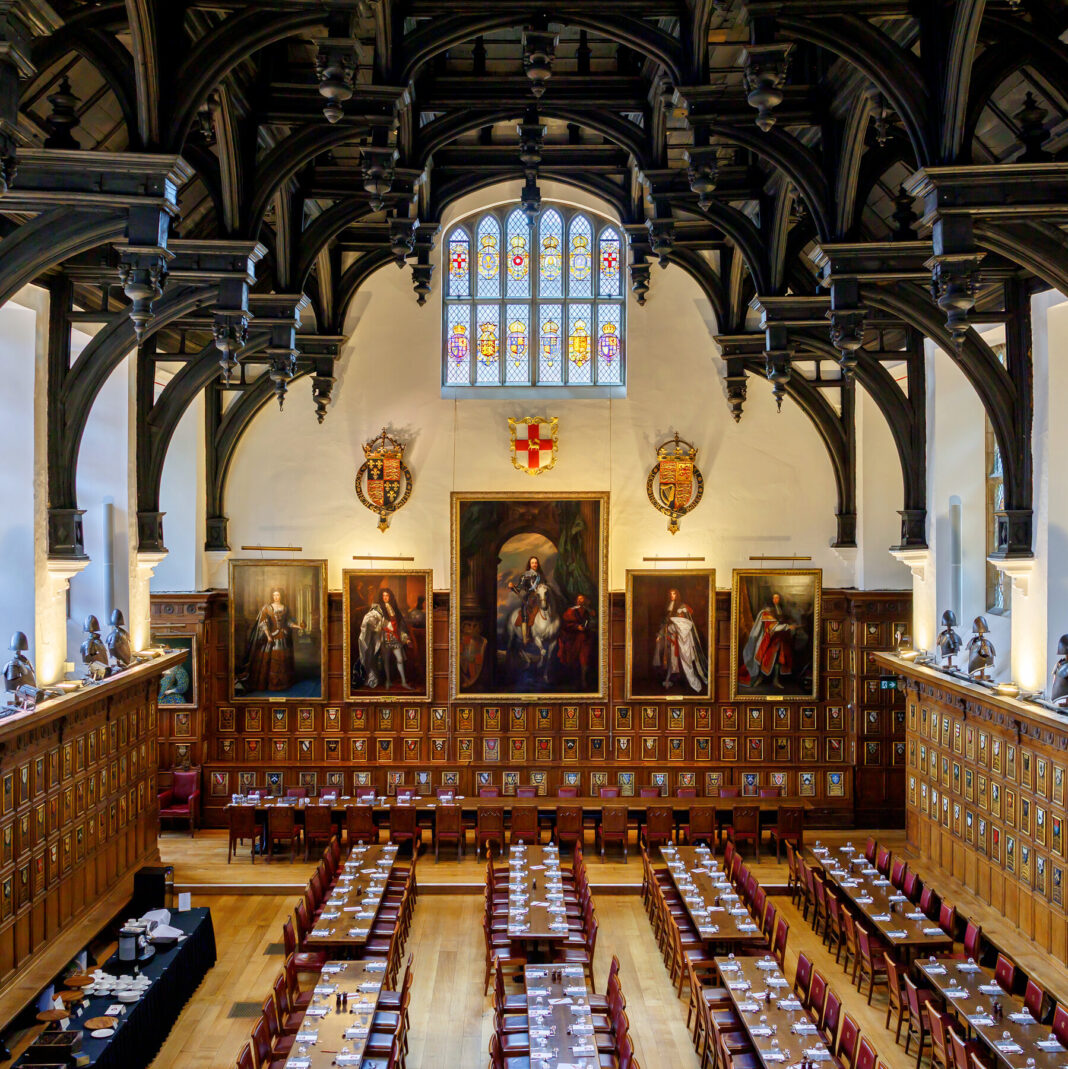
In London, a tour of the American Revolution takes visitors to the locations that shaped the founders before the war. The city holds the archives, buildings, and streets where key figures once walked.
Many of the American colonies’ future leaders studied or lived in London. Benjamin Franklin resided on Craven Street, where he spent years as a colonial agent. The address still stands, offering a glimpse into his pre-revolutionary life.
The British Library displays original documents from the period. The Declaration of Independence is not there, but early drafts and correspondence from British officials are open to the public. These records show the political tensions leading to 1776.
St. Paul’s Cathedral features monuments to British generals who served in the American conflict. The tombs and plaques offer a somber view of the war from the losing side. The site provides a counterpoint to American celebrations.
The American International Church on Tottenham Court Road maintains a memorial to those who died in the conflict. It serves as a quiet space for reflection on the shared history between the two nations.
London plans events for America’s 250th birthday in July 2026. Activities include guided walks, exhibitions, and talks that explore the British perspective. The programming aims to attract American tourists seeking a different angle on the founding.
The city combines historical accuracy with modern tourism trends. Visitors can pair these sites with traditional London attractions. The result is a layered experience that acknowledges loss while honoring the enduring relationship.