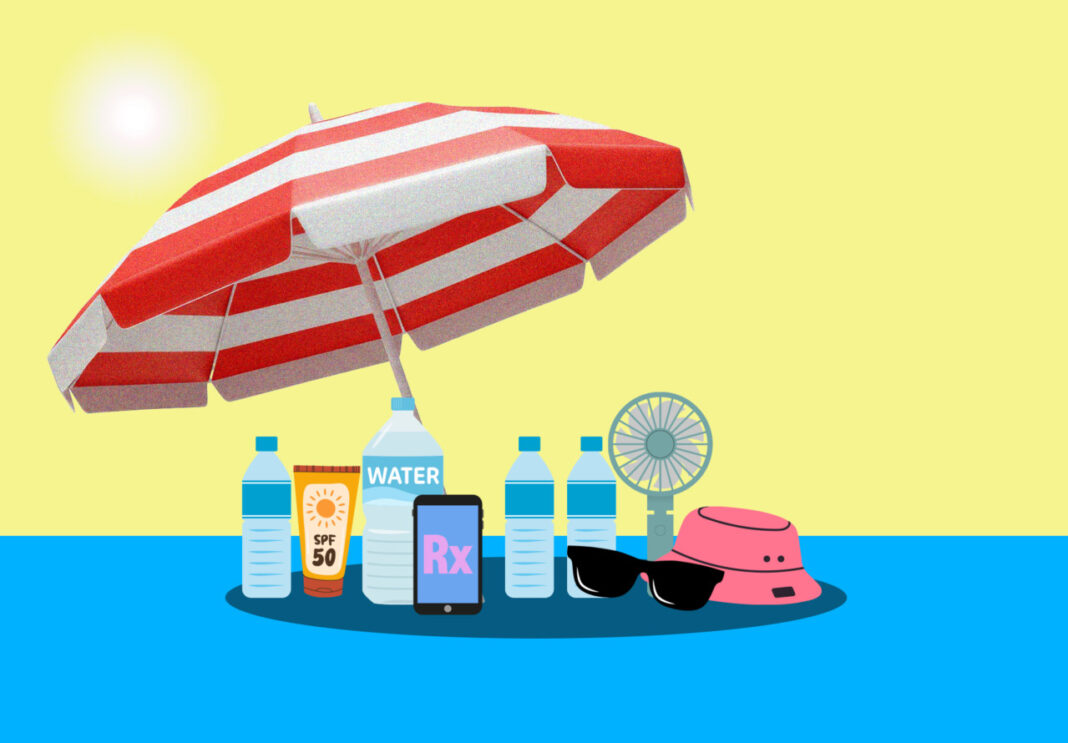
Heatstroke can affect anyone, but those taking certain medications or managing specific health conditions face a higher risk during extreme heat.
Staying hydrated is the most critical step. Drink plenty of water throughout the day, even if you do not feel thirsty. Avoid alcohol and caffeine, as they can contribute to dehydration.
Certain medications can impair the body’s ability to regulate temperature. Diuretics, often used for high blood pressure, increase fluid loss. Antihistamines and antidepressants may reduce sweating, a key cooling mechanism.
Beta-blockers and antipsychotics can also interfere with heat regulation. Patients should not stop taking prescribed medications, but they should monitor their exposure to heat closely.
People with heart disease, diabetes, or obesity are more vulnerable to heat-related illness. These conditions can reduce circulation or the body’s ability to cool down.
Recognizing the early signs of heat exhaustion is vital. Symptoms include heavy sweating, weakness, dizziness, nausea, and cool, clammy skin. Prompt action can prevent progression to heatstroke.
If symptoms appear, move to a cooler area immediately. Loosen clothing, apply cool cloths, and sip water. Seek medical help if symptoms worsen or last longer than one hour.