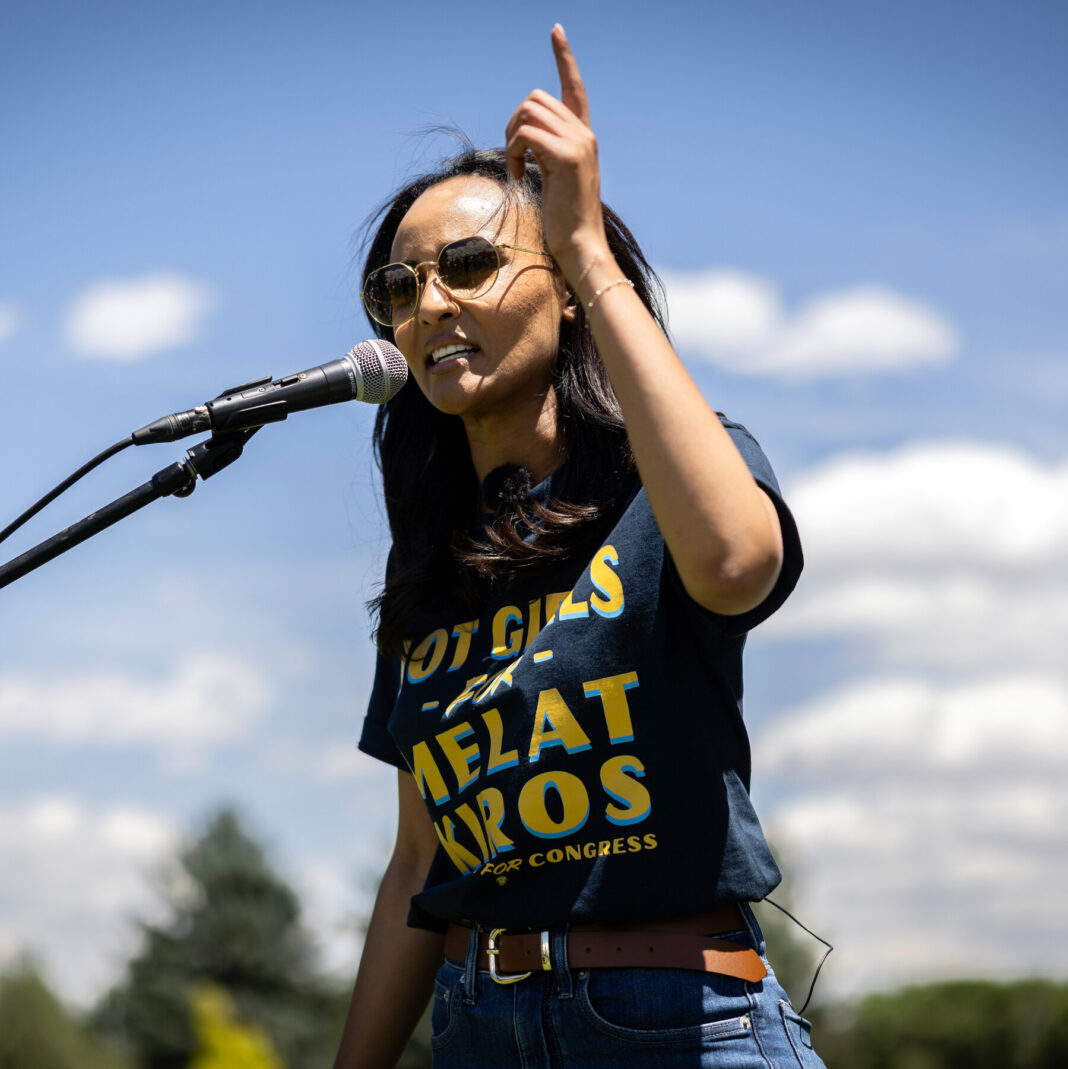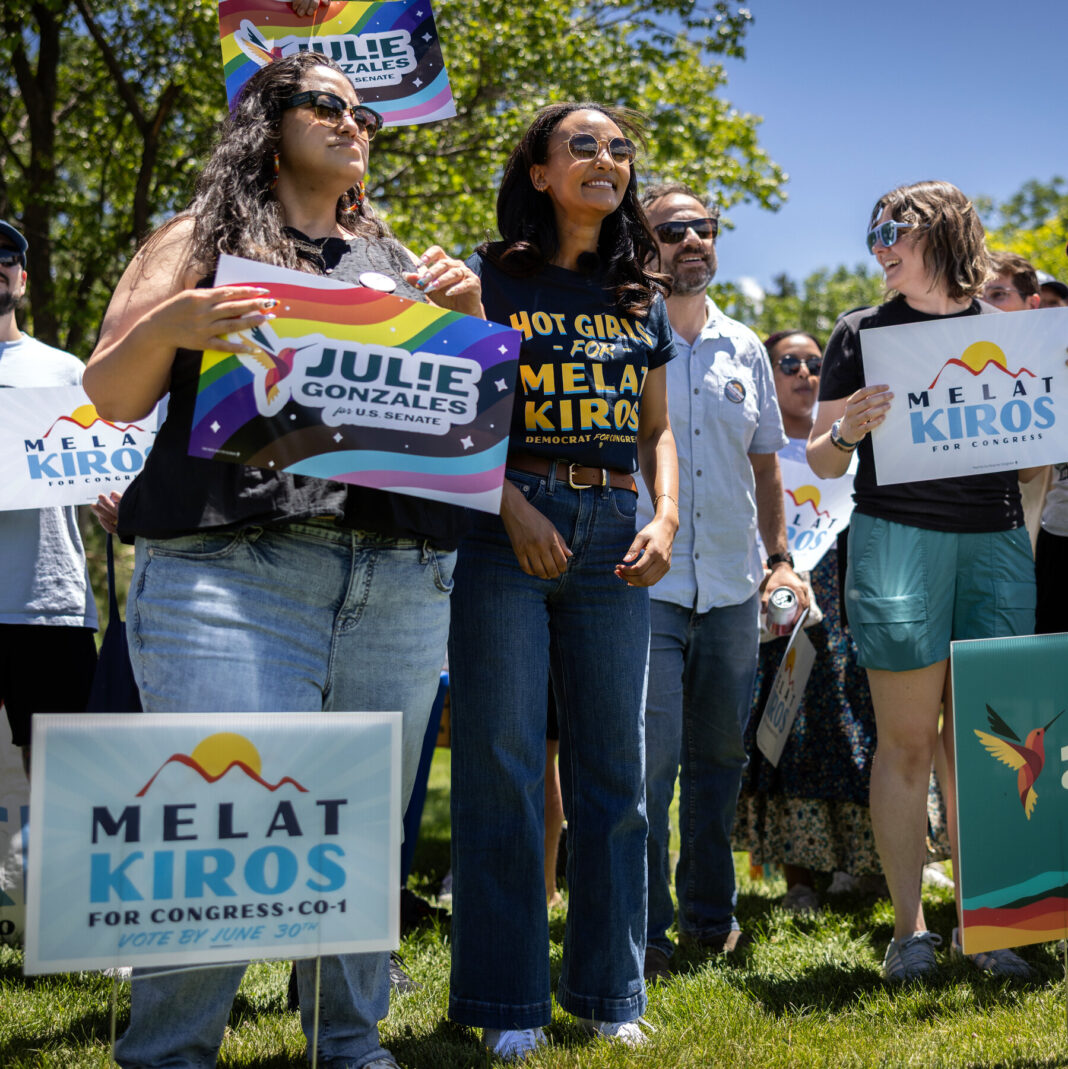
Democratic outsiders continued their winning streak in Colorado’s primary elections. A democratic socialist unseated a veteran congresswoman in Denver. In a separate race, a sitting U.S. senator lost his bid for governor. However, the state’s other senator successfully fended off a progressive primary challenger.
The defeat of the veteran congresswoman marked a significant shift in Denver’s political landscape. The challenger, a democratic socialist, ran on a platform of universal healthcare and economic reform. The race highlighted growing discontent with established incumbents among progressive voters.
The U.S. senator’s loss in the gubernatorial primary signals trouble for traditional party alliances. He faced criticism over his centrist record and ties to corporate donors. Voters in the crowded field opted for a more populist candidate.
In contrast, Colorado’s other senator avoided a similar upset. She overcame a strong challenge from a progressive opponent. Her victory was seen as a win for the party’s moderate wing.
Turnout in the primaries was high, driven by intense competition and national attention. Many voters cited concerns over economic inequality and climate policy. The results suggest a deepening divide within the Democratic Party.
The outcomes in Colorado could influence strategies for upcoming elections nationwide. Analysts point to a growing appetite for candidates who reject establishment politics. The state may serve as a bellwether for future primary battles.
Overall, the primaries reinforced a trend of anti-incumbent sentiment. Outsiders and non-traditional candidates gained ground across multiple races. Colorado’s political landscape is now more fragmented and unpredictable.