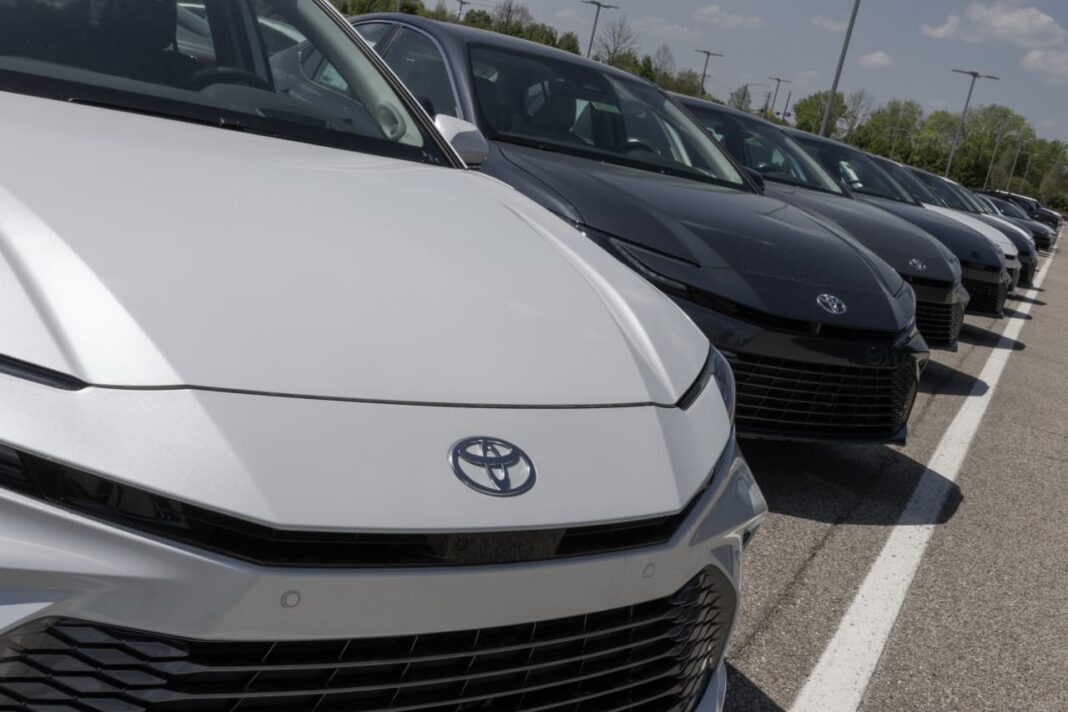
Hybrids have emerged as the standout segment in the U.S. automotive market, gaining momentum while demand for fully electric vehicles slows.
Automakers report a surge in hybrid sales, with many consumers choosing the technology for its balance of fuel efficiency and affordability. Buyers are increasingly prioritizing practicality over the allure of all-electric driving.
The shift reflects a broader change in consumer sentiment. Early adopters have largely purchased EVs, but mainstream buyers remain hesitant due to higher prices and limited charging infrastructure. Hybrids offer a familiar transition without those concerns.
Price remains a decisive factor. Hybrid vehicles typically cost less than their electric counterparts but still deliver significant fuel savings. This has made them an attractive option for budget-conscious shoppers.
Automakers have responded by expanding hybrid lineups. Models that were once considered transitional technology are now core offerings, receiving updates in design and performance to stay competitive.
Manufacturers also see hybrids as a way to meet tightening fuel economy regulations without the high costs of full electrification. The strategy helps them comply with standards while keeping vehicles accessible.
The trend signals a longer-term shift in the market. Instead of serving as a stepping stone to EVs, hybrids are now winning on their own merits. They are not a bridge; they are the destination for many drivers.
Dealers report strong inventory turnover for hybrids, while some EVs sit on lots longer. This has led to more aggressive marketing of hybrid options and fewer discounts on electric models.
Analysts note that the hybrid rebound could delay EV adoption targets. However, it also provides automakers valuable time to improve battery technology and charging networks.
For now, hybrids dominate the conversation. They offer a compromise that suits both the wallet and the environment, making them the breakout star of the current car market.