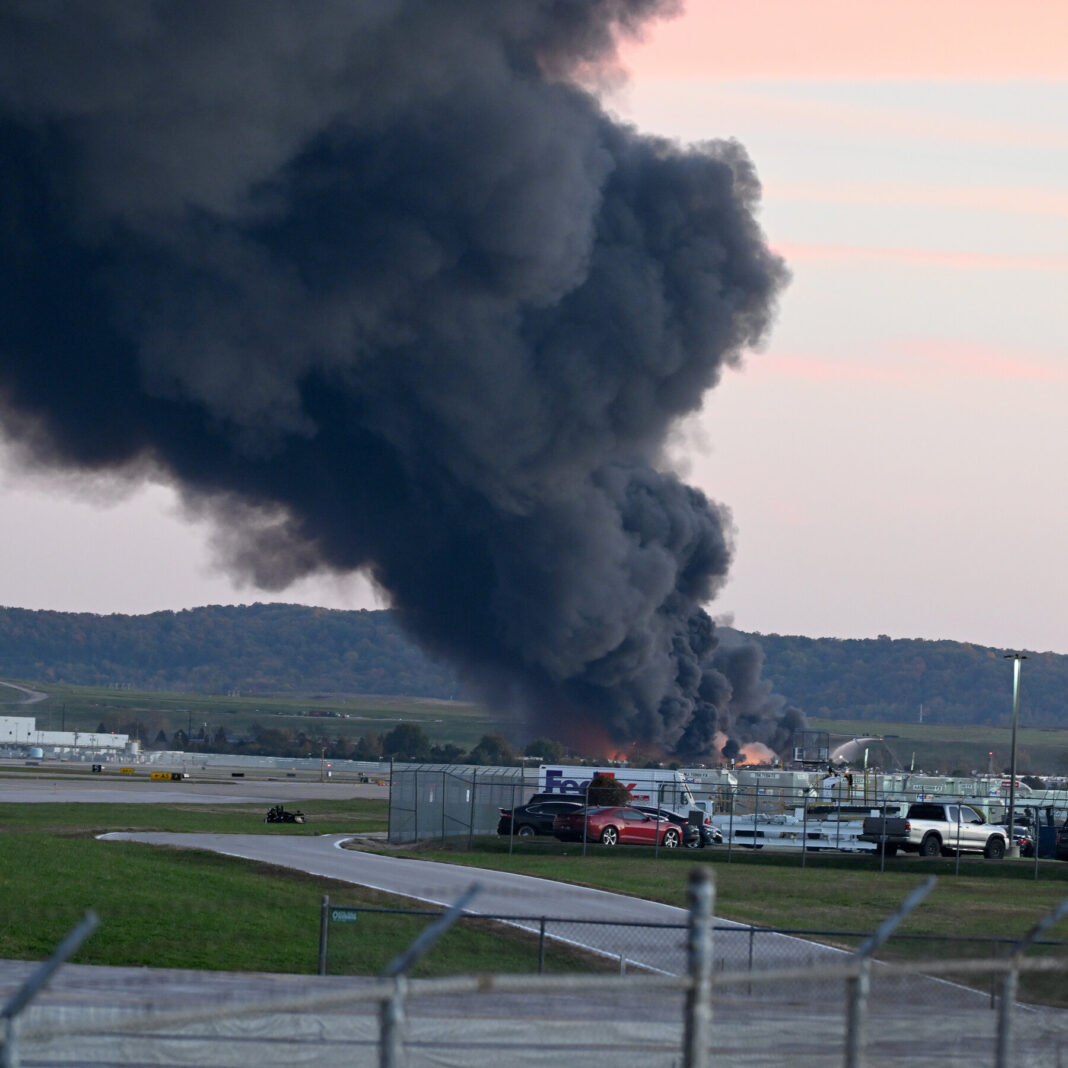
Federal investigators were not directed to examine a faulty bearing in the UPS cargo plane that crashed in Louisville. The bearing had previously been flagged as problematic, but inspectors did not receive instructions to check it during routine maintenance.
The shipping company has stated that Boeing, the aircraft’s manufacturer, bears responsibility for the incident. UPS officials argue that Boeing failed to provide adequate guidance on inspecting the specific part.
The crash, which occurred in February, killed the two pilots on board. Investigators have since focused on a potential mechanical failure linked to the bearing.
Boeing has defended its maintenance guidelines, claiming they were sufficient. The company has not accepted liability for the crash, pointing instead to UPS’s maintenance procedures.
The National Transportation Safety Board has intensified its inquiry into the oversight lapse. Questions remain about why inspectors were not told to examine the bearing despite prior knowledge of its condition.
UPS has revised its internal inspection protocols following the accident. The company is also reviewing how it receives and implements manufacturer recommendations.
Industry experts suggest the case highlights broader safety communication gaps between airlines and manufacturers. Regulatory bodies may propose new rules to ensure clearer maintenance instructions.