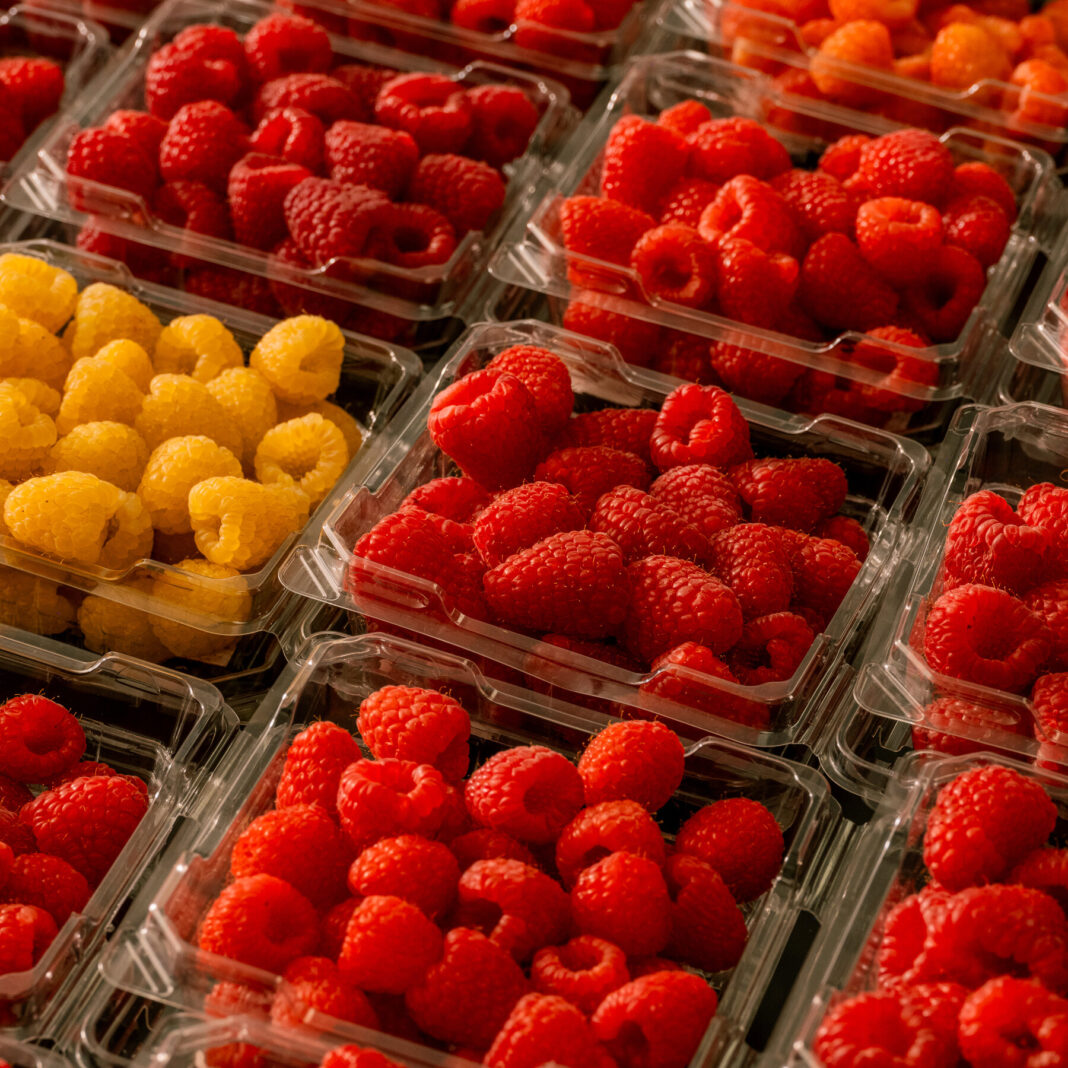
Driscoll’s has transformed the berry industry, turning a delicate, seasonal fruit into a year-round global commodity. The California-based company now dominates supermarket shelves, making fresh berries available in every season regardless of local climate. This shift represents one of the most significant changes in modern produce marketing.
The company achieved this through aggressive breeding programs and global supply chains. Driscoll’s developed proprietary berry varieties engineered for flavor, durability, and appearance. These berries can withstand long-distance shipping and maintain their shape for weeks, unlike traditional fragile varieties that spoiled quickly.
Driscoll’s also built a year-round growing network across multiple continents. By sourcing from farms in North America, South America, Europe, and Africa, the company ensures continuous production. When one hemisphere’s season ends, another begins, allowing for uninterrupted supply.
The branding strategy proved equally important. Driscoll’s distinctive green clamshell packaging became instantly recognizable in produce aisles. The company invested heavily in marketing campaigns that promoted berries as a healthy, versatile snack for any occasion, not just summer desserts.
This approach reshaped consumer expectations. Shoppers now anticipate fresh berries for holiday baking, winter smoothies, and spring salads. The demand extends beyond traditional uses, with berries appearing in everything from breakfast bowls to savory dishes.
Critics point to environmental costs associated with long-distance transport and controlled-environment agriculture. The carbon footprint of shipping berries across oceans is significant. However, Driscoll’s defends its model as necessary to meet global demand for fresh produce year-round.
The company’s success reveals broader trends in the food industry. Consumers increasingly reject seasonal limitations, expecting fresh produce regardless of natural growing cycles. Driscoll’s proved that a single company could reshape global agriculture to meet this demand.
For competitors, the message is clear. The berry market now requires international coordination, proprietary plant breeding, and powerful branding. Driscoll’s built the blueprint, and others are scrambling to follow.