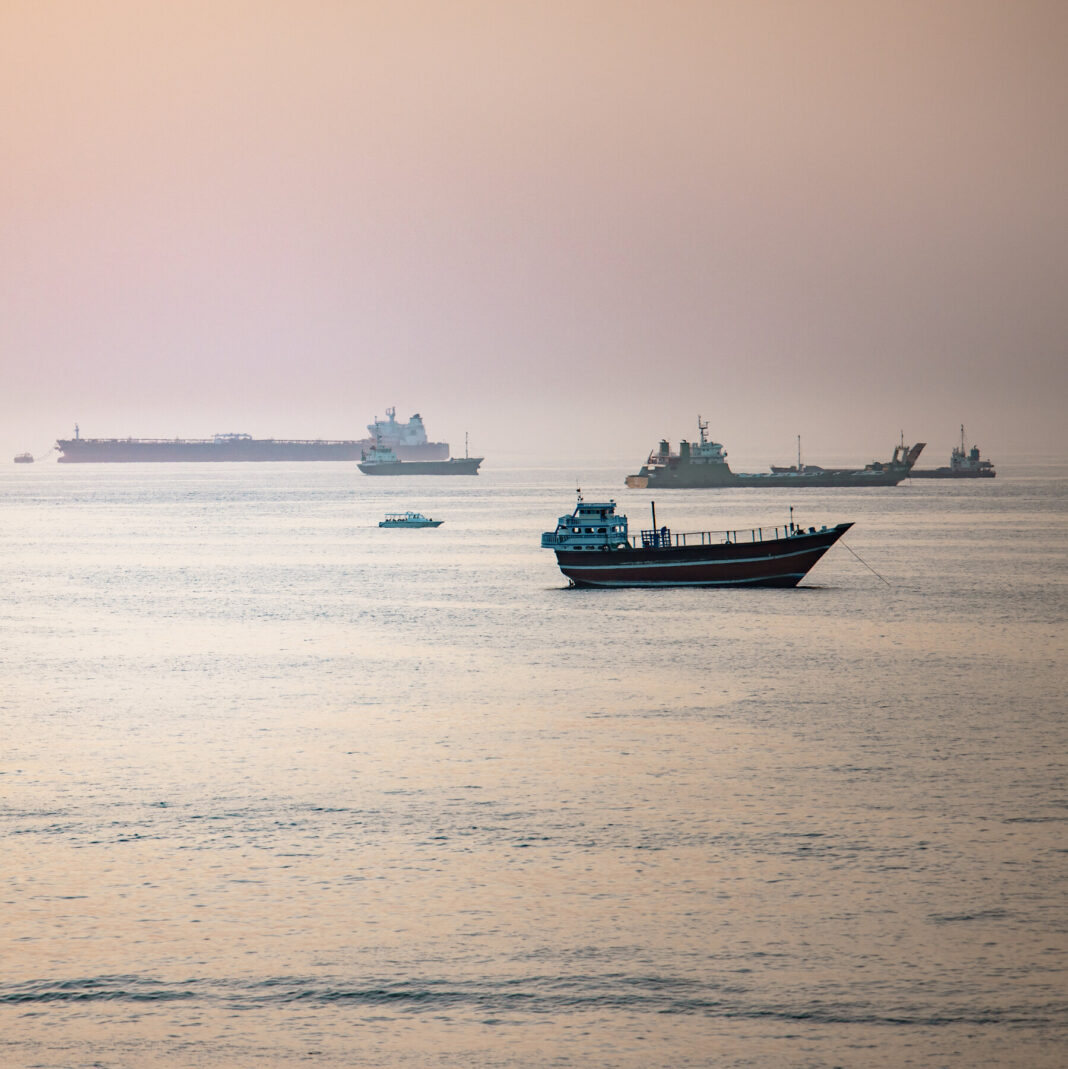
Iranian naval forces struck two commercial vessels in the Strait of Hormuz on Monday, testing a fragile cease-fire and raising new concerns about global oil supplies.
The attacks occurred just weeks after the United States and Iran agreed to negotiate a lasting end to their hostilities. The strikes demonstrate that significant risks remain in the volatile waterway.
One tanker suffered moderate damage near its engine room, while a second vessel reported minor structural harm. Both ships continued under their own power after the incidents.
The Strait of Hormuz serves as a critical chokepoint for about one-fifth of the world’s oil supply. Any disruption there threatens energy markets and global economic stability.
Iranian officials claimed the ships were violating maritime regulations. However, international observers noted no prior warnings or naval inspections were reported.
The United States Navy responded by deploying additional patrol assets to the region. The Pentagon described the move as a precautionary measure to ensure safe passage.
Oil prices rose by roughly 3 percent in early Tuesday trading. Analysts warned that further incidents could push prices higher if shipping insurers adjust their risk assessments.
The cease-fire agreement, reached in June, had raised hopes for de-escalation after months of heightened tensions. Monday’s strikes now test the durability of that diplomatic progress.
Regional experts say the attack highlights the difficulty of enforcing maritime security in a contested waterway. The Strait of Hormuz remains a flashpoint for future confrontation.