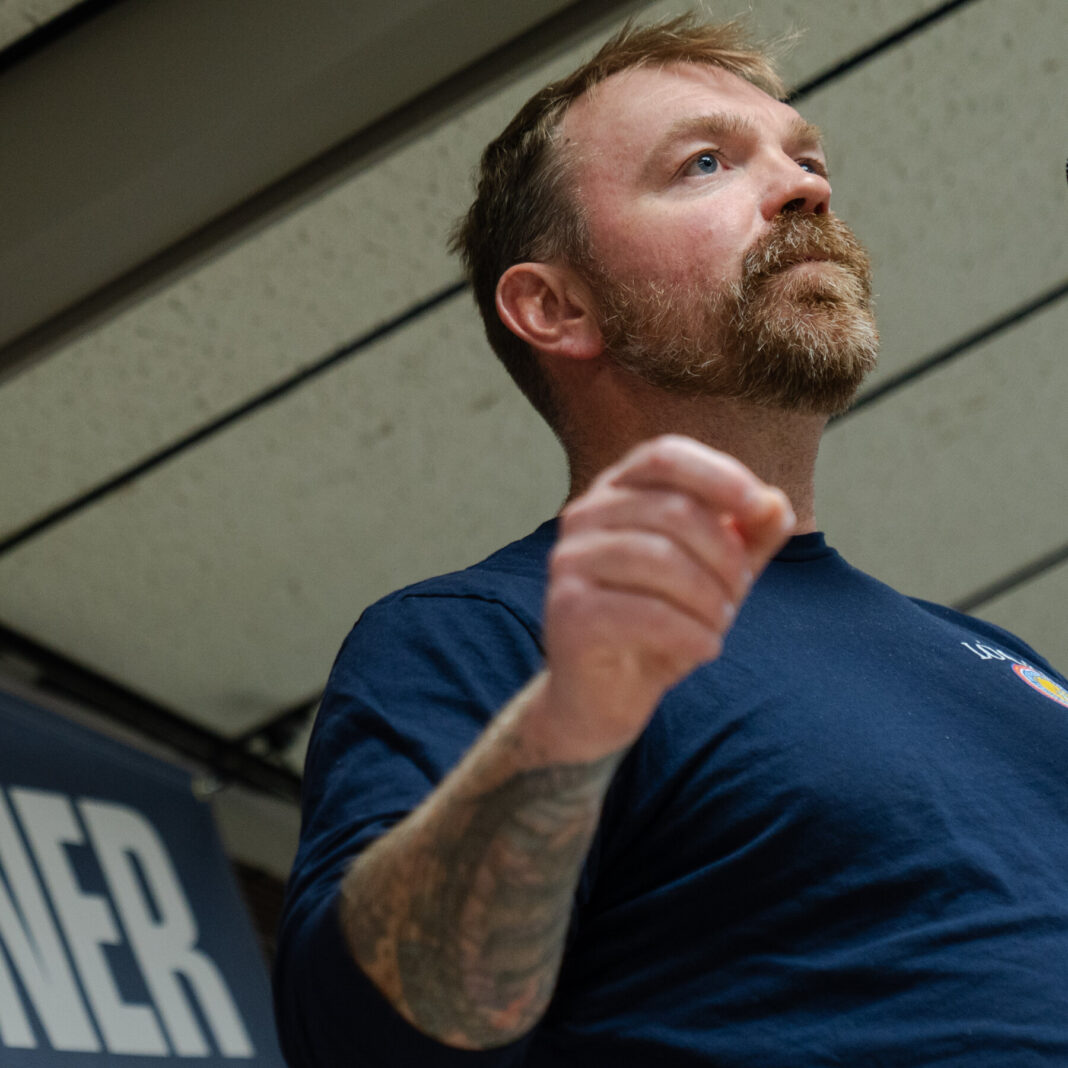
Charles Dingman, the chair of the Maine Democratic Party, holds a low-profile yet influential position. He is a progressive lawyer tasked with a critical decision. If Senator Graham Platner exits the race, Dingman will help select the party’s replacement candidate.
The selection process places Dingman at the center of a political crossroads in Maine. Platner’s potential departure would leave a significant gap in the Democratic ticket. The state party chair must navigate internal dynamics and choose a viable contender.
Dingman’s background as a lawyer and activist shapes his approach to politics. He has long advocated for progressive policies within the party. His colleagues describe him as methodical and deliberate in his decisions.
The search for a Platner replacement involves balancing various interests. Party factions, electoral strategy, and voter sentiment all factor into the equation. Dingman’s role requires careful negotiation and consensus-building.
Maine’s political landscape remains competitive, with both parties eyeing the Senate seat. Democrats aim to retain the position to maintain their majority. Dingman’s choice could influence the party’s national standing.
Potential candidates are already being discussed privately among party officials. Dingman has not publicly endorsed any individual. The decision will likely emerge from a series of private meetings and vetting sessions.
Dingman’s leadership style contrasts with more visible political figures. He operates quietly, focusing on organization and grassroots support. This approach has earned him respect from both moderates and progressives.
The timeline for a decision remains unclear, pending Platner’s final announcement. Dingman has prepared contingency plans for various scenarios. His steady hand may prove crucial in maintaining party unity.