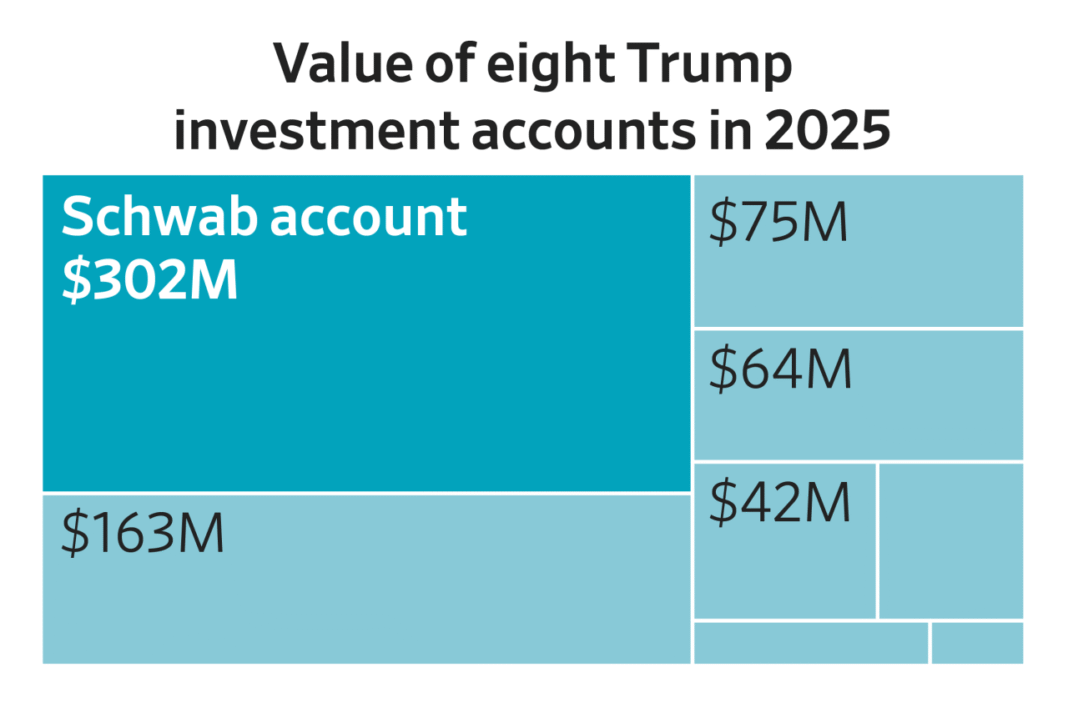
Charles Schwab clients engaged in a surge of automated stock trading following a legal victory for former President Donald Trump. The trading activity was linked to Schwab accounts set up with algorithmic strategies.
The legal win triggered pre-programmed buy and sell orders within these accounts. This automated response amplified market movements tied to Trump’s business fortunes. The event highlighted how modern brokerage platforms can accelerate trading based on real-world events.
Schwab’s technology allowed for seamless execution of these trades without manual intervention. Investors had previously configured their accounts to react to specific triggers. The result was a rapid, high-volume trading spree that outpaced typical market activity.
Market observers noted the speed and scale of the automated trades. The episode underscored the growing influence of algorithmic trading among retail investors. Schwab’s infrastructure enabled this process to unfold efficiently.
The trading frenzy drew attention to the intersection of politics and stock markets. It also raised questions about the risks of automated strategies tied to volatile news. Schwab did not comment on individual account activity.
For day traders, the incident served as a practical example of leveraging automation. For regulators, it pointed to potential oversight gaps in algorithm-driven trades. The event remained a case study in modern market mechanics.
Overall, the Schwab account activity reflected broader trends in retail investing. Technology continues to blur the lines between manual and automated decision-making. This story illustrated the speed at which financial markets can react to breaking news.