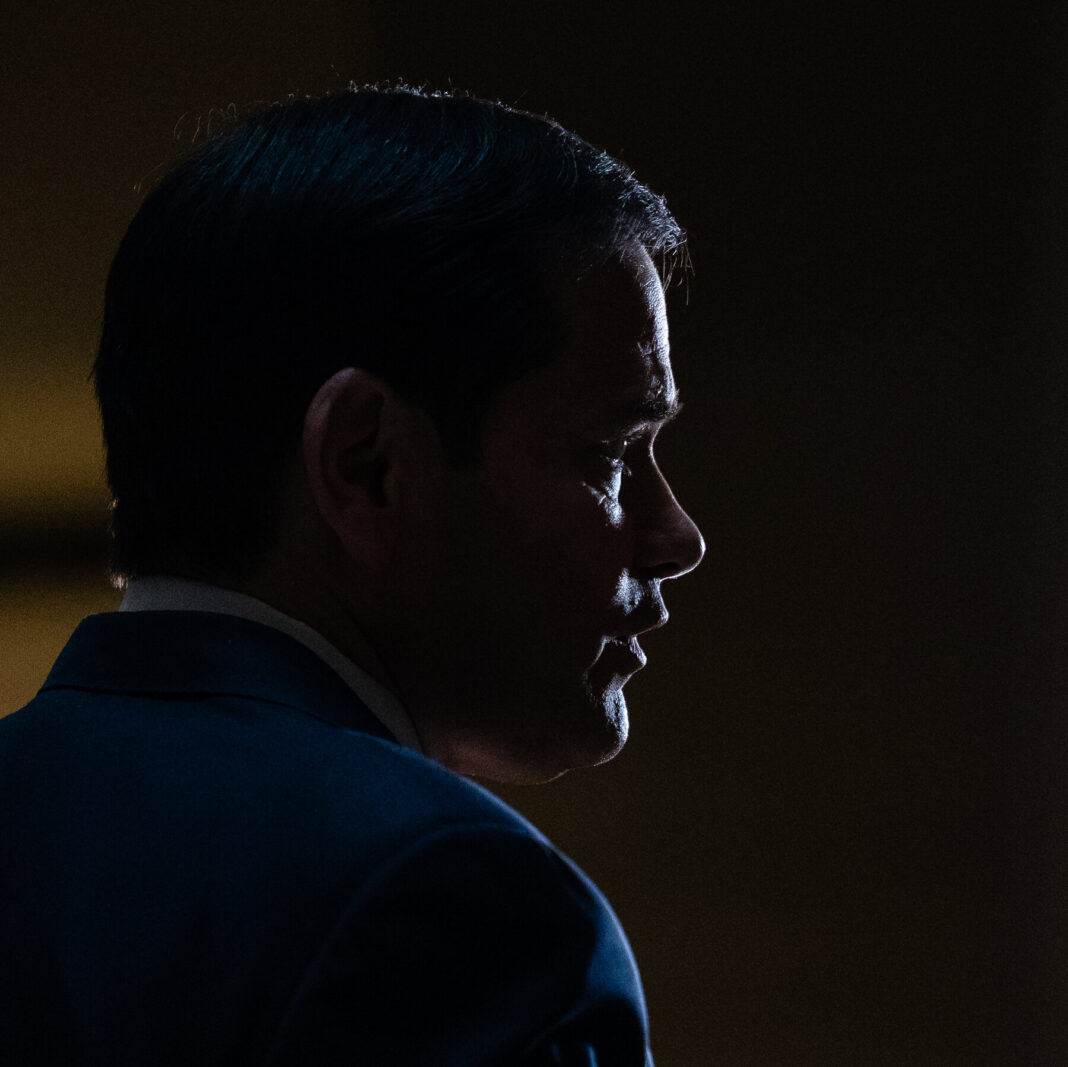
Secretary of State Marco Rubio has established an unprecedented level of influence over Venezuela. He effectively controls the country’s finances, natural resource distribution, and government operations. His grip on the South American nation serves as a striking display of American power during the Trump administration.
Rubio’s authority extends across multiple sectors of Venezuelan governance. Financial decisions flow through his office before reaching Caracas. Natural resource deals require his approval for implementation. This structure gives Washington direct control over key economic levers.
The secretary’s approach reflects a shift in U.S. foreign policy. Traditional diplomatic channels have been bypassed in favor of direct management. Rubio’s team coordinates with Venezuelan opposition figures to maintain this arrangement.
Oil revenue distribution remains a critical area of influence. Rubio’s office determines which entities receive funds from petroleum sales. This power allows the U.S. to shape Venezuela’s economic trajectory from afar.
Humanitarian aid flows through Rubio’s approved channels as well. International organizations must coordinate with his office before delivering assistance. This ensures all aid aligns with American strategic objectives.
The arrangement has drawn both praise and criticism. Supporters argue it provides stability for Venezuela’s struggling population. Critics contend it undermines Venezuelan sovereignty and self-determination.
Rubio’s management style follows a direct, hands-on approach. He maintains regular contact with Venezuelan officials and opposition leaders. This personal involvement distinguishes his tenure from previous secretaries of state.
The long-term implications remain uncertain. Venezuela’s political future depends heavily on continued U.S. engagement. Rubio’s strategy may set a precedent for future American interventions in the region.