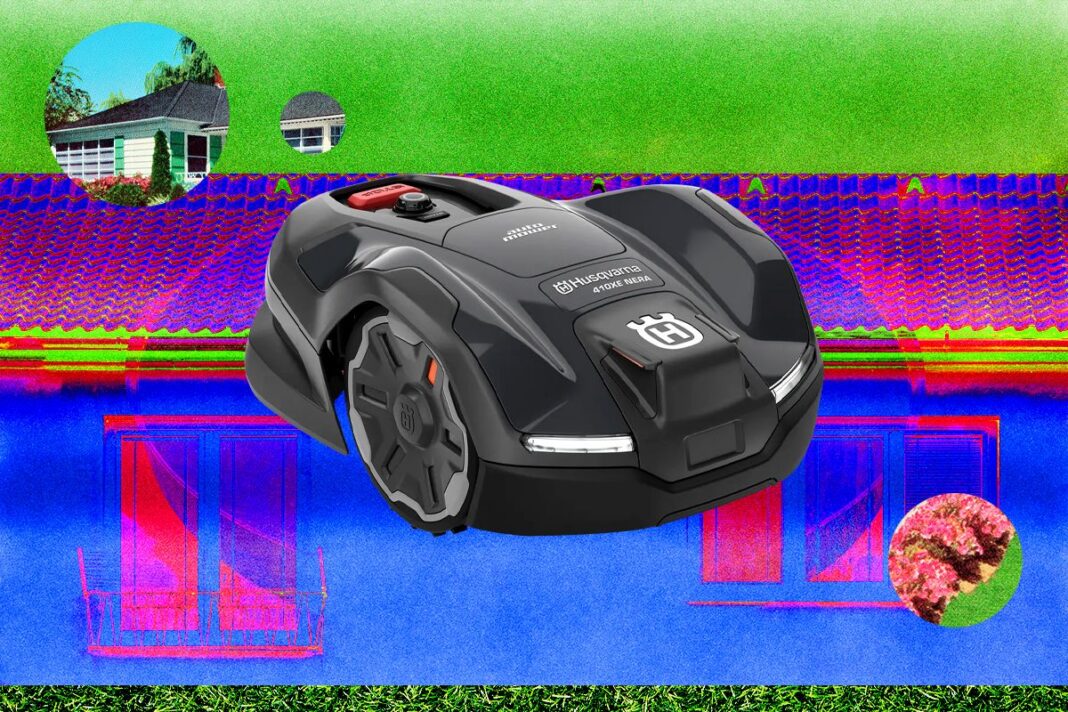
Robot mowers have entered a new era of reliability and performance. Early models were often seen as expensive novelties with limited functionality. Today’s units are far more capable and accessible to the average homeowner.
Advancements in navigation technology are a key driver. Modern robots use sophisticated systems to map and efficiently cut a lawn. This eliminates the random patterns and missed spots common in older machines.
Improved battery life and charging efficiency allow these mowers to cover larger areas. Many models can now autonomously return to their docking station when power runs low. They recharge and then resume cutting without any human intervention.
The installation process has also become more user-friendly. Many systems now use boundary wires that are simple to lay around a yard’s perimeter. This setup defines the mowing area clearly for the robot.
Safety features have seen significant upgrades. Sensors can detect obstacles and immediately stop the blades. This protects children, pets, and garden decorations from accidental contact.
For homeowners, the primary benefit is reclaimed time. A robot mower operates on a set schedule, keeping grass consistently trimmed. This creates a well-maintained lawn with minimal weekly effort.
The market now offers a wider range of models to suit different budgets and yard sizes. This increased competition has driven prices down while improving overall quality. The technology has matured into a practical and effective gardening tool.