Reality checks are hitting Elon Musk’s most prominent companies. Tesla shares have dropped roughly 15 percent after a disappointing earnings quarter. SpaceX has also faced a steep decline, falling 50 percent from its peak valuation.
Investors in both firms are confronting harsh financial realities. The electric vehicle maker struggled with lower-than-expected delivery numbers and shrinking profit margins. Competition in the EV market has intensified, squeezing Tesla’s position.
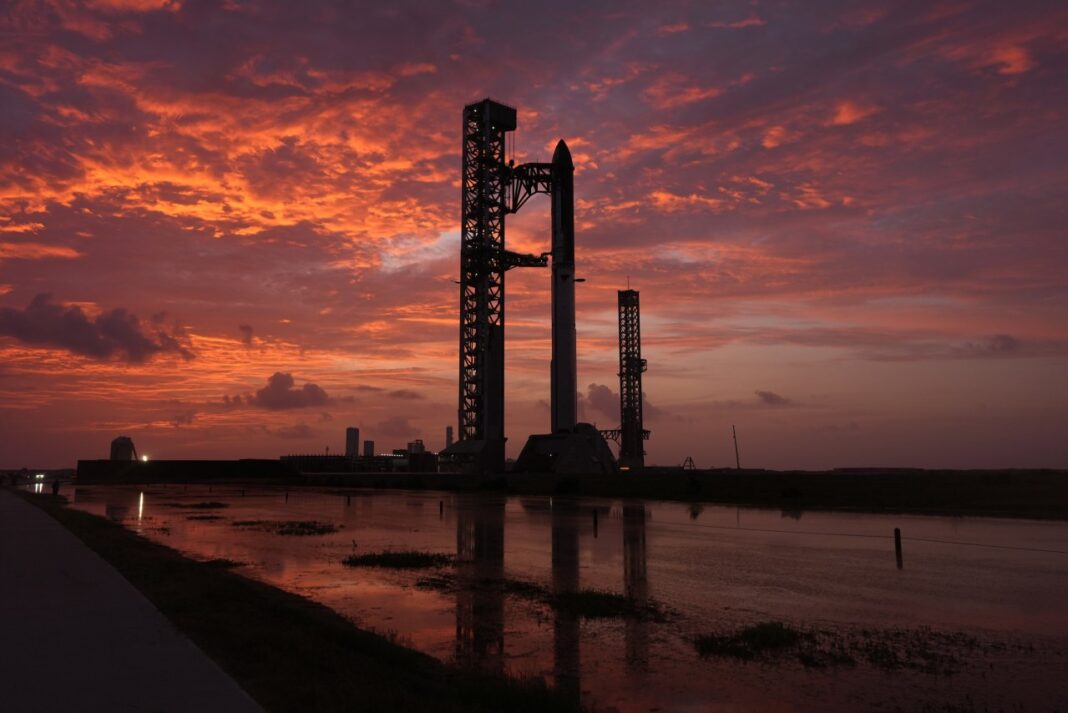
SpaceX’s valuation slide reflects broader market corrections for high-growth private companies. The space firm’s funding environment has tightened, impacting its lofty previous valuations. These declines signal shifting investor sentiment toward Musk’s ventures.
Tesla’s recent quarter highlighted production challenges and slowing demand. The company faced increased pressure from rival automakers offering more affordable EVs. Supply chain issues also contributed to the weaker performance.
SpaceX’s drop coincides with a cooling in the private space industry. Investors are now demanding clearer paths to profitability rather than speculative growth. The valuation adjustment marks a significant shift from earlier enthusiasm.
Believers in Musk’s vision are now reassessing their expectations. The stock and valuation declines serve as a reminder that market realities can override hype. Both companies must now prove their long-term viability.
The broader financial landscape remains uncertain for Tesla and SpaceX. Economic headwinds and rising interest rates are putting additional pressure on valuations. Musk faces the challenge of restoring confidence among his supporters.