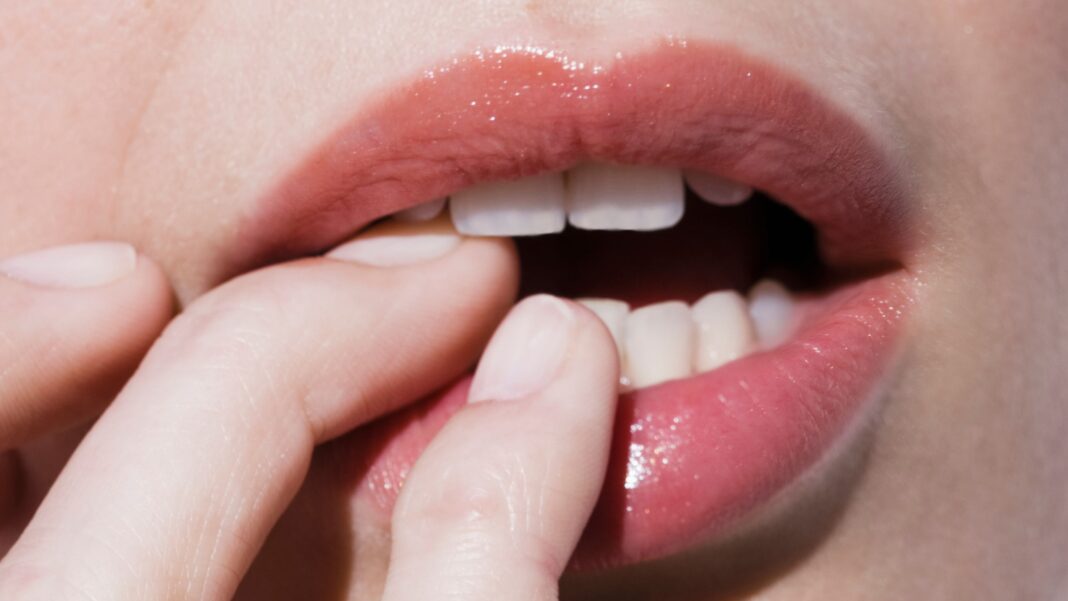
GLP-1 medications, widely known for diabetes and weight loss, are now being linked to a surprising benefit: reducing nail-biting behavior.
Dermatologists, internists, and psychologists are observing that some patients on these drugs report a decreased urge to bite their nails. The connection appears to stem from how GLP-1s interact with brain chemistry.
These medications mimic a hormone that affects appetite and reward pathways. Research suggests they may also dampen repetitive, compulsive behaviors beyond eating.
Nail-biting is often classified as a body-focused repetitive behavior, similar to hair pulling or skin picking. Experts believe GLP-1s could reduce the underlying impulse to engage in such habits.
Early anecdotal evidence comes from patients who noticed their lifelong nail-biting stopped or lessened after starting treatment. Doctors are now exploring this side effect more systematically.
The drugs may work by altering dopamine signaling in the brain, which influences reward and habit formation. This mechanism could explain the reduction in compulsive actions.
Not all patients experience this effect, and studies are still needed to confirm the link. However, the observation offers a new angle for treating stubborn nail-biting cases.
For chronic nail biters who qualify for GLP-1 use, this could provide an unexpected benefit. Anyone considering this approach should consult a healthcare provider first.
The findings highlight how widely prescribed medications can have unanticipated effects on behavior. Further research may expand treatment options for compulsive habits.