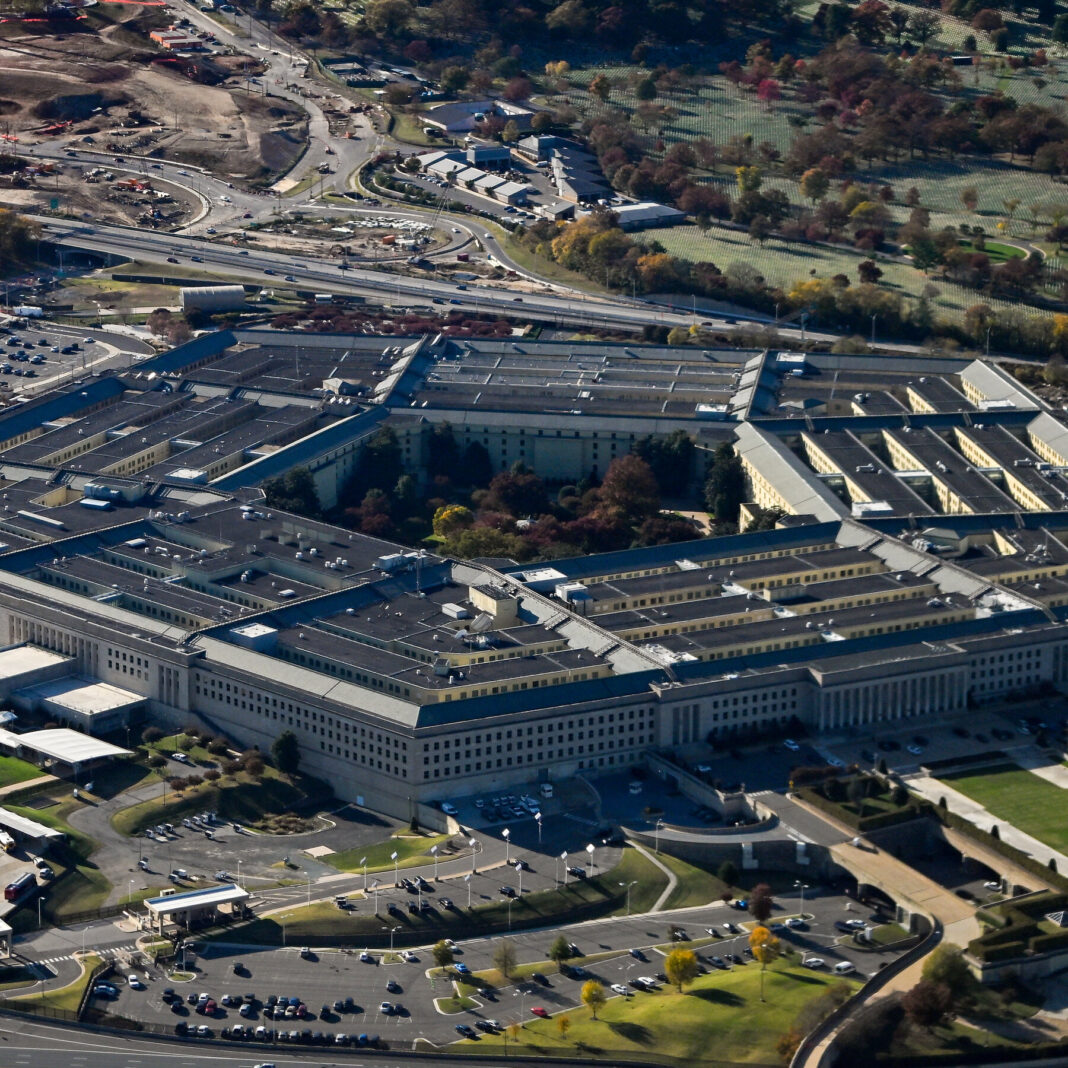
The Pentagon has altered how it reports military casualties in the conflict with Iran, splitting the data across two separate web pages. This change makes it potentially more difficult to calculate the war’s complete human toll.
Previously, casualty numbers appeared on a single, consolidated page. The revised format separates figures for service members wounded in action from those killed or missing. Officials stated the update was intended to improve data clarity and reflect different reporting categories.
Critics argue the new structure obscures the overall scope of losses. By dividing the information, the public and media must cross-reference multiple sources to assess the war’s full impact. This shift raises transparency concerns among oversight groups.
The Pentagon has not provided a specific reason for the change. Some analysts suggest it could streamline internal reporting processes. Others view it as a move to reduce public focus on escalating casualty rates.
The first page lists deaths and missing personnel, while the second details those injured. The total number of casualties has risen steadily since operations began, though exact figures remain contested. Independent estimates often exceed official counts.
Military families and advocacy organizations have expressed frustration. They say the new system complicates efforts to track the war’s human cost. The Pentagon maintains that accuracy and classification remain unchanged.
This reporting adjustment occurs amid ongoing debates over the conflict’s objectives and duration. Public support for the war has fluctuated, influenced by casualty reports. The data restructuring may further complicate public understanding of the military’s situation.
Experts emphasize that transparency in casualty reporting is critical for informed democratic debate. The Pentagon has not indicated whether it will revert to the previous system. For now, anyone seeking the war’s complete toll must navigate two separate pages.