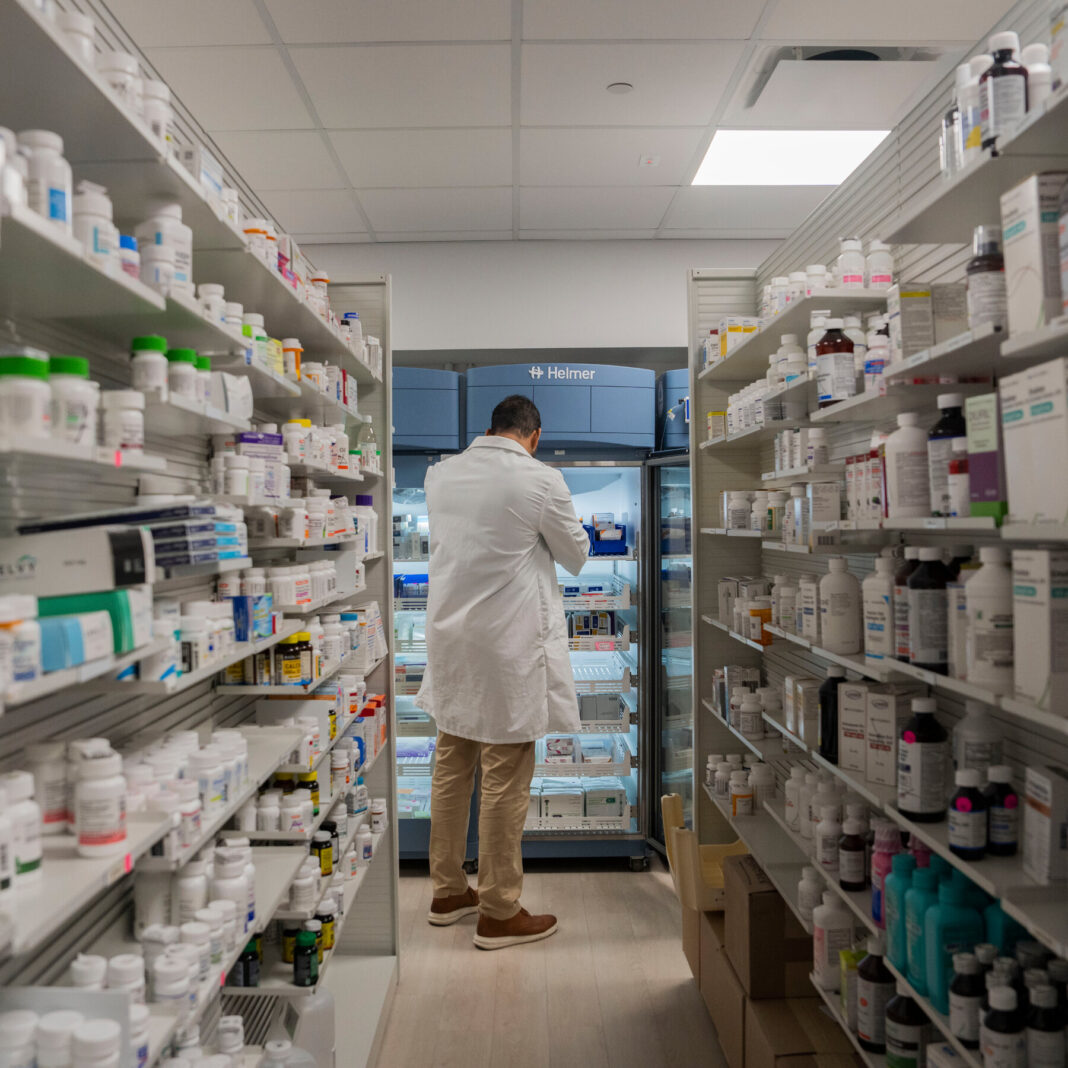
Millions of older Americans could pay more for their prescription drug coverage next year. The change stems from a decision to end federal subsidies that currently lower Medicare Part D premiums.
The subsidies were introduced to help stabilize costs during a period of rising drug prices. Without them, insurers may increase premiums to offset the loss of government support.
Medicare Part D provides private insurance plans for prescription drugs. Around 50 million people are enrolled in the program, with many relying on these subsidies for affordable access.
The subsidy termination was announced as part of broader fiscal policy changes. Officials argue the program was always intended as a temporary measure.
Critics warn that higher premiums could strain household budgets for seniors on fixed incomes. Some experts predict premium increases of 10 to 20 percent on average.
Insurers have begun adjusting their 2027 plan offerings to account for the funding gap. Beneficiaries may see higher monthly costs or reduced coverage options.
The change will take effect at the start of the next enrollment period. Individuals are advised to review their plans carefully before the deadline.