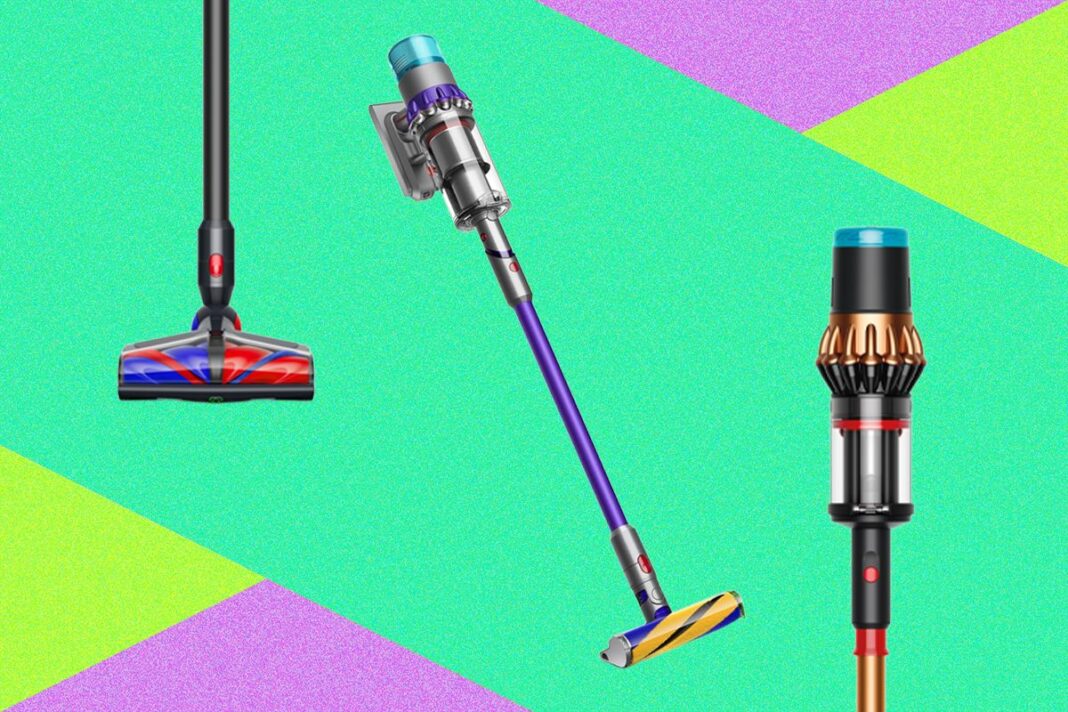
Dyson has released its 2026 lineup of stick vacuum models, prompting questions about how they compare to previous versions. Five models were tested to determine which offers the best value and performance for different needs.
The new lineup introduces incremental improvements in suction power and battery efficiency. A key change is the updated digital motor, which delivers stronger airflow for deep cleaning on carpets and hard floors.
Battery life has been extended in the newer models, with some reaching up to 60 minutes on a single charge. This improvement reduces the need for mid-cleaning breaks in larger homes.
The filtration system has also been upgraded across the 2026 range, capturing more fine dust and allergens. This feature is particularly relevant for households with pets or allergy concerns.
Design adjustments include a more streamlined docking station and lighter overall weight. These changes make the vacuums easier to store and maneuver during use.
Older models remain viable options for budget-conscious buyers, as they still provide reliable cleaning performance. However, they lack the latest motor and battery enhancements found in the 2026 versions.
For those seeking the best overall performer, the top-tier 2026 model combines maximum suction with the longest runtime. It also includes a wider cleaning head that covers more surface area per pass.
A mid-range 2026 option offers a balance of power and price, sacrificing minimal suction for a lower cost. This model is suitable for standard household cleaning without the premium price tag.
The entry-level 2026 model focuses on affordability while still incorporating the new motor technology. It is ideal for smaller spaces or occasional use.
Ultimately, the choice depends on individual priorities such as budget, home size, and desired features. Testing confirmed that each model serves a distinct purpose within Dyson’s updated lineup.