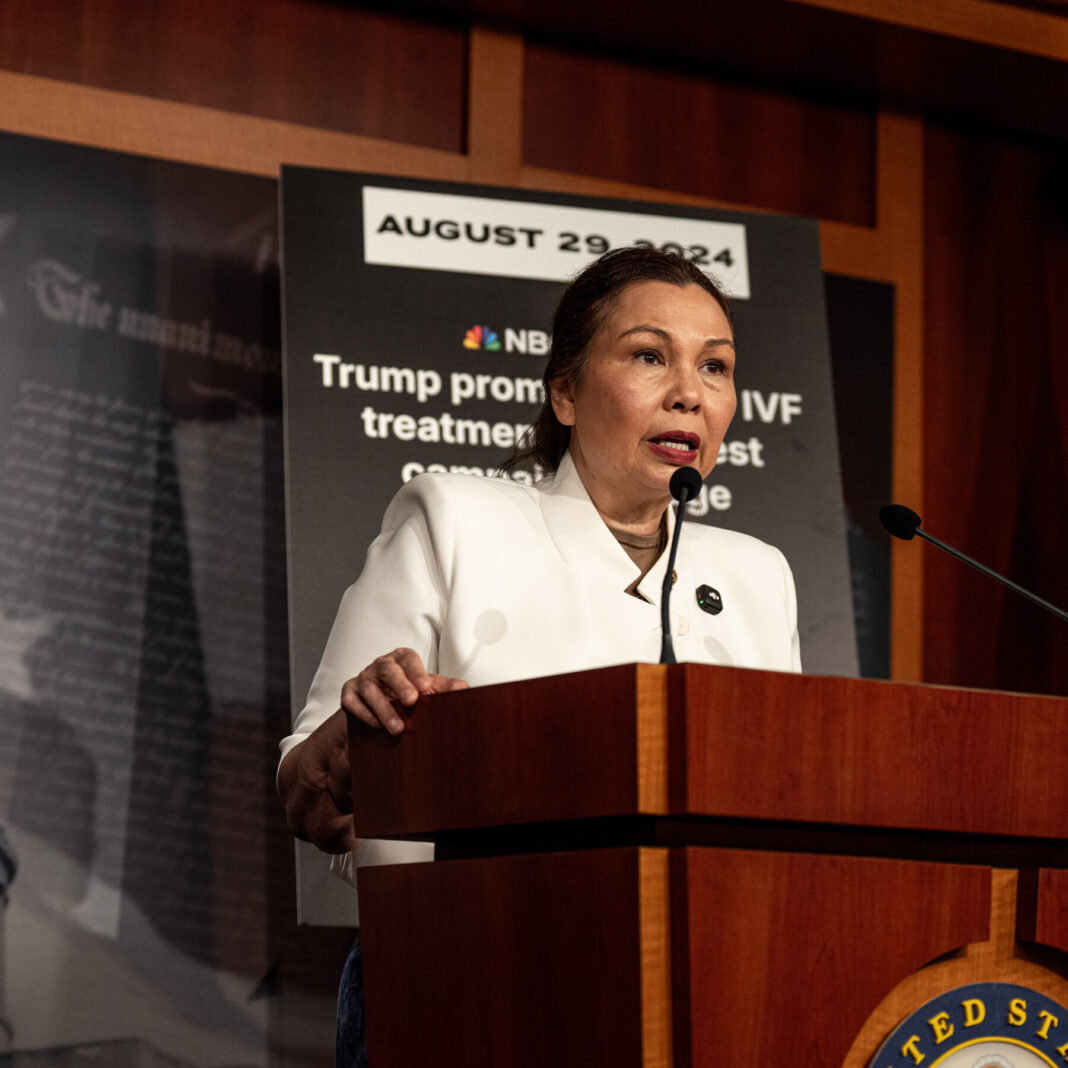
Republican senators voted unanimously against a proposal to expand fertility treatment coverage for military families. The measure sought to include in vitro fertilization, or I.V.F., in the health benefits provided through the Department of Defense. The vote effectively killed the bipartisan-backed amendment during a broader defense policy debate.
The proposal would have allowed active-duty service members and their dependents to access I.V.F. services without bearing the full out-of-pocket costs. Current military health coverage offers limited fertility assistance, often leaving families to pay thousands of dollars for procedures. Supporters of the amendment argued the change was necessary to address recruitment and retention challenges within the armed forces.
Democrats and a handful of independent senators pushed for the expansion, citing the need for equitable healthcare across all military branches. They highlighted that private-sector employers increasingly cover such treatments as a standard benefit. The vote comes amid a broader national conversation about reproductive healthcare access following recent legislative changes in various states.
Republican senators who opposed the measure cited concerns over cost and the scope of military benefits. Some argued that expanding coverage could set a precedent for other specialized medical procedures. Others pointed to ongoing debates at the state level about the ethics of fertility treatments, though no specific objections were detailed during the session.
The amendment’s failure marks a setback for advocacy groups that have lobbied for years to modernize military healthcare. These groups have documented cases of service members leaving the military to access better fertility benefits elsewhere. The Pentagon has previously noted the difficulty of attracting and keeping personnel in specialized roles amid growing healthcare demands.
This is not the first time such a proposal has stalled in Congress. A similar measure failed in the previous legislative session, though it gained more traction among lawmakers this year. The latest vote suggests that bipartisan support for expanding I.V.F. access remains fragile, even as public opinion polls show broad backing for the treatment.
Advocates now plan to redirect their efforts toward the upcoming defense authorization bill, hoping for future amendments. They are also exploring executive actions that could address coverage gaps without requiring new legislation. For now, military families seeking fertility treatments must continue to navigate a system that many view as outdated and insufficient.