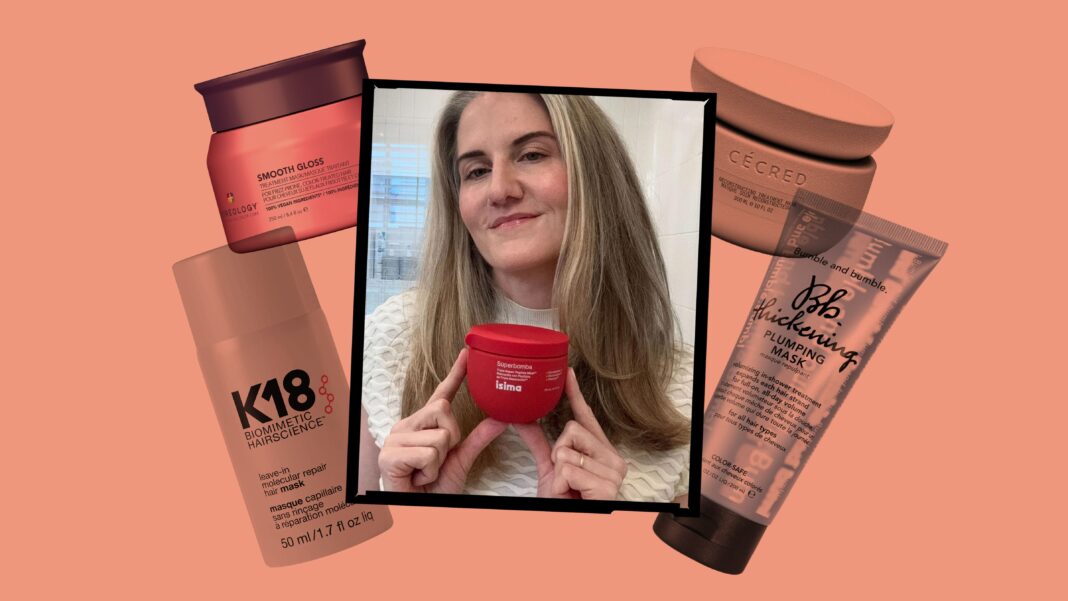
Hair masks have become a staple for those looking to restore moisture and strength to compromised strands. Replacing a regular conditioner with an intensive treatment once or twice a week can yield noticeable improvements in texture and resilience. The market offers a wide array of formulas designed to address specific concerns, from deep dehydration to breakage caused by heat styling.
The products featured in the 2026 lineup prioritize ingredients that penetrate the hair shaft rather than merely coating the surface. Formulas now include ceramides, amino acids, and plant-derived lipids that work to rebuild the hair’s internal structure. These components are selected to target the root causes of damage, offering a repair-focused approach over temporary smoothing.
Consistency of use matters more than the quantity of product applied. A single weekly session can help maintain hydration levels, while a bi-weekly schedule might be necessary for severely compromised hair. Users with fine hair should focus application on the mid-lengths and ends to avoid weighing down the roots, whereas those with thicker textures may benefit from a more generous distribution.
The selection process for these masks involved extensive testing for performance across different hair types. Testers evaluated each product on its ability to detangle, reduce frizz, and impart shine without leaving a heavy residue. The results indicate a clear shift toward lightweight yet potent formulations that deliver immediate softness along with long-term benefits.
One notable trend in the 2026 releases is the rise of prebiotic and probiotic ingredients. These components aim to balance the scalp microbiome, which contributes to healthier hair growth from the root. While masks are typically associated with the lengths, several new options encourage application near the scalp to support overall hair health.
Sustainability also plays a larger role in the latest product development. Many brands have introduced refillable packaging and concentrated formulas that require less water during production. These efforts respond to consumer demand for effective haircare that also reduces environmental impact.
Price points vary considerably across the recommended masks, offering options for budget-conscious buyers as well as those willing to invest in premium treatments. However, the most expensive product is not always the most effective. The top performers in testing stood out for their ingredient integrity and measurable results, regardless of cost.
For anyone dealing with dry, color-treated, or heat-damaged hair, incorporating a high-quality mask into the routine represents a practical step toward restoration. The key is to match the formula to the specific hair concern and to apply it correctly. With consistent use, these treatments can transform the look and feel of dull, brittle strands into a healthier, more manageable state.