California’s current salad movement blends global techniques with local produce. Chefs across the state are moving beyond simple greens, crafting dishes that layer unexpected textures and flavors.
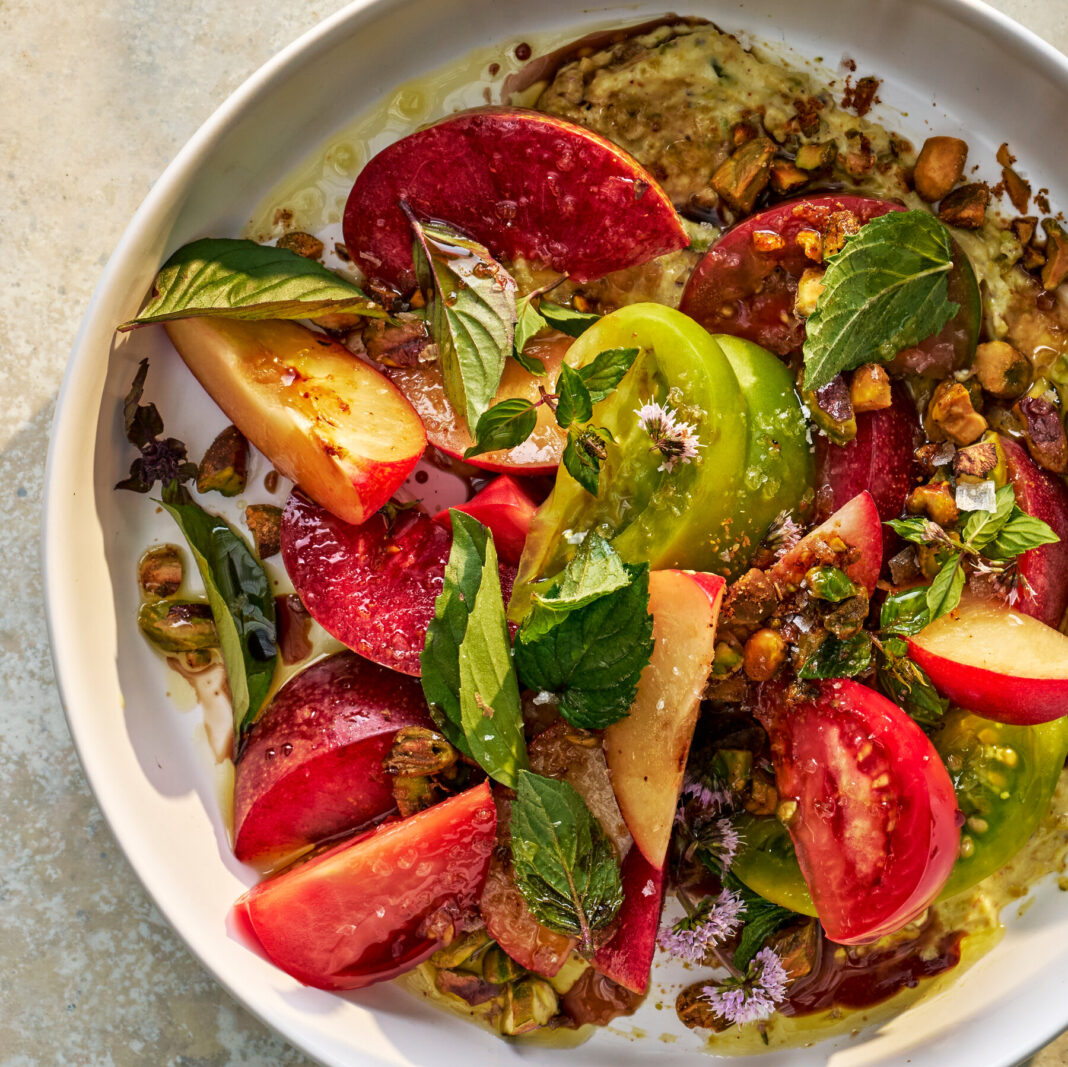
Pluots with pistachio suya appear on menus, pairing stone fruit with a spiced, nutty crust. Heirloom tomatoes now arrive dressed in fish sauce vinaigrette, a nod to Southeast Asian umami. The approach feels freer, yet each plate shows careful curation.
Seasonality drives the choices, with farms supplying ingredients at their peak. Cooks treat produce as the anchor, not an afterthought. Global pantry staples like suya spice or fish sauce serve as accents rather than dominant forces.
The trend shifts away from heavy dressings or predictable combinations. Instead, acid and heat balance the natural sweetness of fruit. Textures vary from crisp nuts to tender leaves, creating contrast in every forkful.
Home cooks can replicate these dishes without complicated techniques. Farmers’ market finds work best, though standard grocery items still deliver. The recipes favor flexibility, encouraging substitutions based on what looks freshest.
These four salads capture a broader culinary shift in California. They reflect a state where immigration and agriculture intersect daily. The result is food that feels both rooted and forward-looking.
Each recipe offers a template for improvisation. Cooks can swap pluots for peaches or adjust the vinaigrette’s heat level. The core idea remains: build a salad around prime produce, then season boldly.
For diners, the dishes signal a break from clichés like kale or Caesar. They show that California cuisine prizes invention without losing its farm-to-table identity. The salads are proof that simplicity and creativity can coexist on one plate.