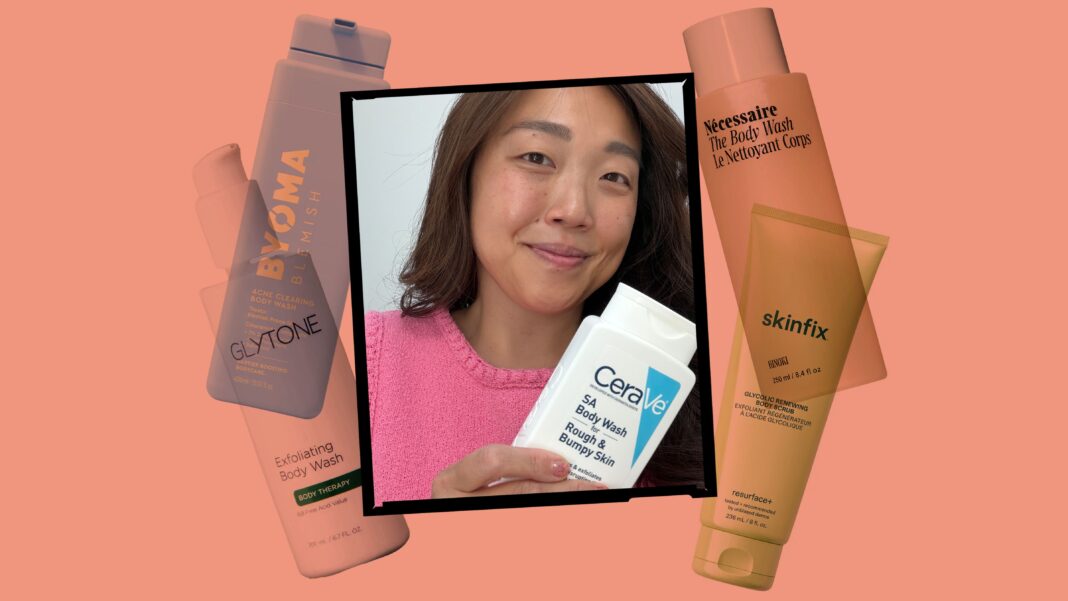
Exfoliating body washes have become a staple in modern skincare routines, offering a practical way to smooth rough patches and improve overall skin texture. These products combine the cleansing power of a traditional shower gel with physical or chemical exfoliants. The goal is to remove dead skin cells without the need for a separate, time-consuming scrubbing step.
The market for these washes has expanded significantly, with formulas designed for a variety of skin types and concerns. Some options rely on fine particles like pumice or jojoba beads for manual exfoliation. Others use alpha-hydroxy acids (AHAs) or beta-hydroxy acids (BHAs) to dissolve the bonds between dead skin cells chemically.
Consumers with sensitive skin often prefer chemical exfoliants because they tend to be gentler than physical scrubs. However, the concentration of active ingredients matters. A product with a lower percentage of acid is suitable for daily use, while higher concentrations are better for weekly maintenance.
The choice between a physical and chemical exfoliant also depends on the body area being treated. Areas with thicker skin, such as elbows and knees, respond well to granular scrubs. Delicate zones like the chest and inner arms may benefit more from a smooth, acid-based formula to avoid micro-tears.
Reading the ingredient list is crucial before purchasing. Look for hydrating agents like glycerin or shea butter, which help counteract the potential dryness caused by exfoliation. Fragrance-free versions are available for those prone to irritation, though many products still include essential oils for sensory appeal.
Proper application technique maximizes the benefits of these washes. Most dermatologists recommend working the product into damp skin in circular motions, focusing on rough areas. Rinsing thoroughly with lukewarm water prevents residue from clogging pores. Follow up with a moisturizer while the skin is still slightly damp to lock in hydration.
Experts advise against using exfoliating body washes on sunburned or broken skin. In those cases, the active ingredients can cause stinging and further damage. It is also wise to rotate exfoliating washes with a plain cleanser on off days, giving the skin barrier time to recover.
The results of consistent use are visible within a few weeks. Skin often appears brighter and feels smoother to the touch. For individuals dealing with keratosis pilaris, commonly known as chicken skin, a BHA-based wash can significantly reduce the appearance of bumps on the arms and thighs.
Price points for these products vary widely, from drugstore options under ten dollars to luxury formulas exceeding forty dollars. The cost does not always correlate with effectiveness. Many affordable picks contain the same active ingredients as their high-end counterparts.
When selecting a new product, patch testing on a small area of the arm is a recommended first step. This practice helps identify any adverse reactions before full-body use. Keeping a simple routine with one exfoliating wash is generally more effective than layering multiple exfoliating products simultaneously.