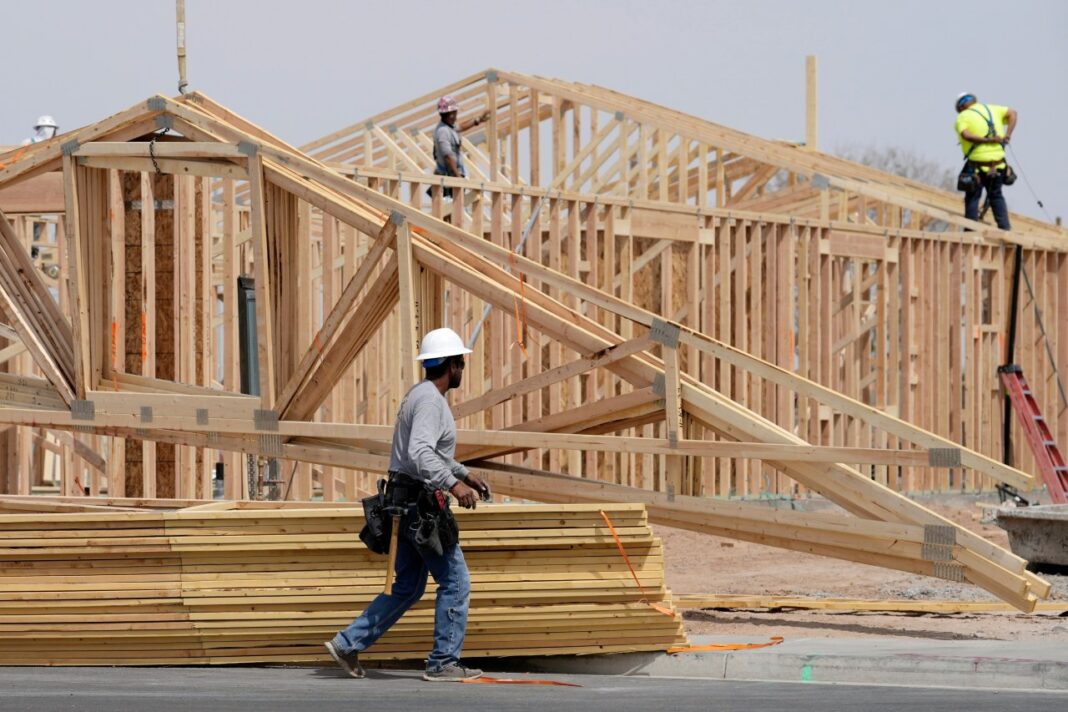
Home-building activity has slowed, yet lumber prices are climbing to levels not seen in years. The divergence stems from shrinking supply rather than surging demand.
Elevated duties on Canadian lumber imports have tightened the market. Wildfires and permanent sawmill closures have further reduced available stock.
These supply constraints have pushed prices upward even as housing starts weaken. Builders facing higher material costs are absorbing the financial pressure.
The price spike reflects a market reshaped by trade policy and environmental disruption. Canadian producers, long a dominant source of U.S. lumber, now face steep tariffs that make their goods less competitive.
Domestic mills have not filled the gap. Several major facilities shut down in recent years, citing poor market conditions, and have not reopened.
Wildfires in key timber regions have also curtailed logging, compounding the shortage. The combination of these factors has created a supply squeeze that is independent of broader economic trends.
For home builders, the timing is particularly challenging. Higher lumber costs add thousands of dollars to the price of a typical new house.
Some builders are delaying projects or seeking alternative materials. Others are passing the added expenses to buyers, a move that could further cool an already sluggish housing market.
Industry analysts note the situation may persist until sawmill capacity returns or trade terms change. Neither appears imminent.
The current price levels highlight how supply-side shocks can disrupt normal market patterns. Housing demand may be soft, but lumber markets are responding to forces of their own.
The coming months will show whether builders adjust their strategies or whether the cost pressures force deeper cutbacks in construction activity.