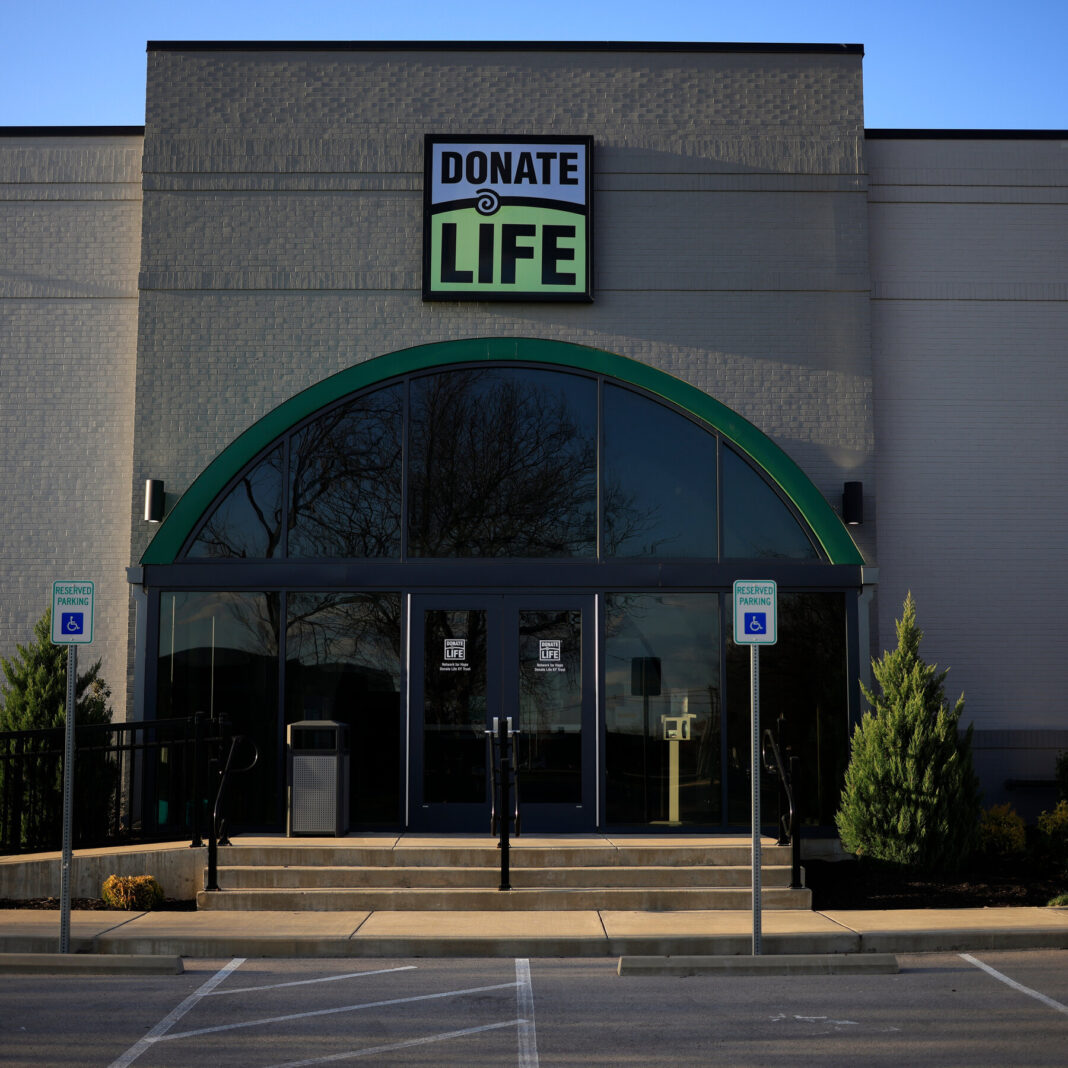
The federal government is ending its contract with a Kentucky nonprofit accused of coercing medical staff into harvesting organs from patients who were expected to recover. Officials confirmed the termination on Wednesday, citing systemic failures in patient care and ethics.
The decision follows a months-long investigation into the organization’s practices. Investigators found multiple instances where workers were pressured to declare brain death prematurely. In at least two cases, patients showed clear signs of neurological improvement before the procedures.
The nonprofit, which handled organ procurement for a multi-state region, received millions in federal funding annually. Its contract termination takes effect immediately, leaving hospitals in the region to seek alternative partners for transplant services.
Healthcare experts say the case highlights a broader vulnerability in the national organ donation system. Procurement organizations operate with significant autonomy, and oversight varies widely from state to state.
The U.S. Department of Health and Human Services has pledged to strengthen audit protocols for all federally funded organ groups. New guidelines will require independent neurological evaluations before any donation procedure.
Local prosecutors are reviewing the findings to determine whether criminal charges are warranted. Civil lawsuits from affected families have already been filed in federal court.
The nonprofit has denied the allegations, claiming its actions followed established medical protocols. In a statement, leadership said it would cooperate with investigators but maintained that no patients were harmed.
Hospital partners have begun internal reviews to assess how the pressure affected their own clinical decisions. Several have suspended elective transplant programs pending further guidance.
The terminated contract marks one of the most significant enforcement actions in the history of the U.S. donation system. Federal records show no similar revocation in the past two decades.
For patients awaiting transplants, the disruption may cause temporary delays in organ matching. Health officials urge families to continue registering as donors, noting that the broader system remains functional and safe.