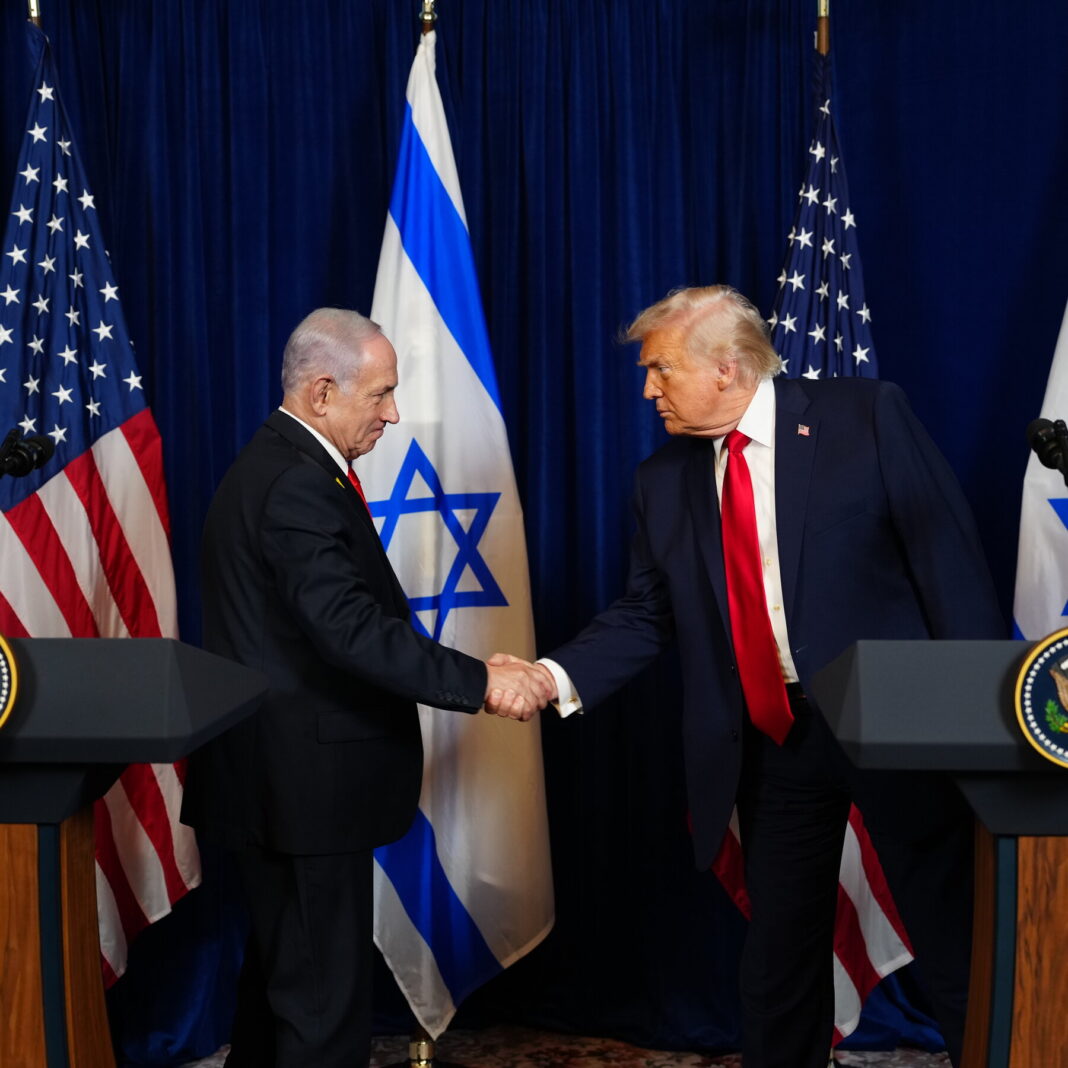
Congress is advancing a proposal to deepen defense and intelligence ties between the United States and Israel. The measure would integrate military planning, weapons systems, and intelligence sharing more closely than in past agreements.
Supporters argue the partnership is essential for countering shared threats in the Middle East. They point to Iran’s missile program and regional proxy networks as key reasons for stronger coordination.
The proposal includes provisions for joint exercises, shared early-warning data, and streamlined arms transfers. Lawmakers backing the bill say it would reduce response times during crises and enhance interoperability between the two militaries.
Critics, however, question the strategic value of such tight integration. Some defense analysts warn that tying U.S. systems too closely to Israeli operations could limit American flexibility in regional conflicts.
Other concerns center on intelligence sharing. Lawmakers and former officials have raised fears that deeper cooperation could drag the United States into actions it does not fully control, particularly regarding strikes on Iranian nuclear sites.
The measure has attracted bipartisan support in both chambers, though some members have pushed for amendments to add oversight. Amendments under discussion would require regular reports to Congress on joint operations and impose conditions on certain data transfers.
Israeli officials have welcomed the proposal, framing it as a natural extension of an already strong relationship. They have emphasized the need for faster coordination in a volatile region.
The bill’s path forward remains uncertain. Committee hearings are scheduled for the coming weeks, and negotiations over the final text are ongoing. If passed, it would mark one of the most significant formalizations of the defense relationship in decades.