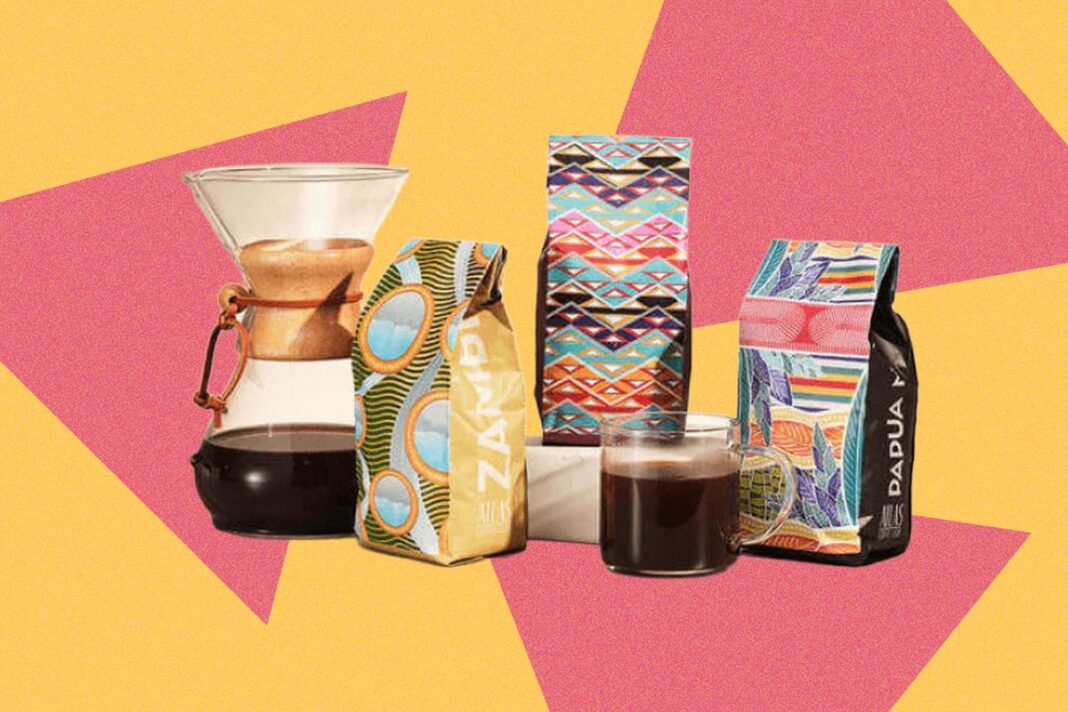
The market for coffee subscriptions has expanded rapidly, with services now offering everything from rare single-origin beans to AI-driven roast recommendations. These platforms deliver freshly roasted coffee directly to consumers, eliminating the need for trips to specialty shops. Each service differentiates itself through unique sourcing models, roasting schedules, and pricing structures.
Direct trade relationships have become a central feature among top-tier subscriptions. Companies partner with farmers in regions like Ethiopia, Colombia, and Guatemala to secure high-grade lots that rarely reach retail shelves. Subscribers often receive detailed tasting notes and origin stories with each shipment, adding an educational component to the daily brew.
Roasting frequency plays a critical role in quality. The best services roast within 24 to 72 hours of shipping, ensuring optimal flavor retention. Coarser grind options are available for French press users, while fine grinds suit espresso machines. Several platforms now offer whole-bean-only shipments to preserve aroma integrity.
Pricing varies significantly across the market. Entry-level subscriptions start at roughly $15 per month for 12 ounces, while premium tiers exceed $40 for rare microlots. Shipping costs are often waived for annual commitments. Gift subscriptions have grown in popularity, with many services offering customizable delivery intervals.
Sustainability initiatives differentiate several contenders. Some companies use compostable packaging and carbon-neutral shipping, while others support reforestation projects in coffee-growing regions. Subscribers can filter options based on environmental criteria, a feature increasingly requested by younger consumers.
Tasting preferences remain the primary driver of subscription choice. Light roasts dominate specialty offerings, highlighting floral and citrus notes. Dark roast lovers will find fewer options, though several services now provide dedicated dark-only plans. Signature blends also remain staples for those seeking consistent daily cups.
Customer flexibility is a notable trend heading into 2026. Most subscriptions allow users to pause, swap, or cancel at any time through mobile apps. Real-time shipment tracking and brewing guides accompany every delivery. These features reduce commitment anxiety, making subscriptions more accessible to casual coffee drinkers.
Choosing the right service ultimately depends on individual priorities. Budget-conscious buyers should prioritize value plans with frequent discounts. Experimentation-driven drinkers might favor rotating featured roasters. Those seeking convenience often select auto-scheduled deliveries with one-click reordering.
The practical advantages of subscriptions extend beyond convenience. Consistent access to fresh coffee reduces waste associated with supermarket packages that sit on shelves for months. Home brewers benefit from barista-level quality without the price markup of café purchases. Direct farmer compensation remains a compelling ethical consideration.
As the industry matures, data-driven personalization is shaping future offerings. Algorithms track user ratings and reorder patterns to refine future shipments. Some platforms incorporate brewing equipment compatibility into their recommendations, suggesting grinder settings and water ratios for optimal extraction.
Trial periods and sample boxes remain reliable entry points for new subscribers. These allow users to test multiple roasters before committing to long-term plans. Customer service responsiveness also factors into retention, with top-rated services offering chat-based support.
The subscription landscape now accommodates every palate and budget. Careful evaluation of sourcing, freshness, and flexibility will guide consumers toward the right match. A month-to-month approach offers the safest starting point, with room to adjust based on personal experience.