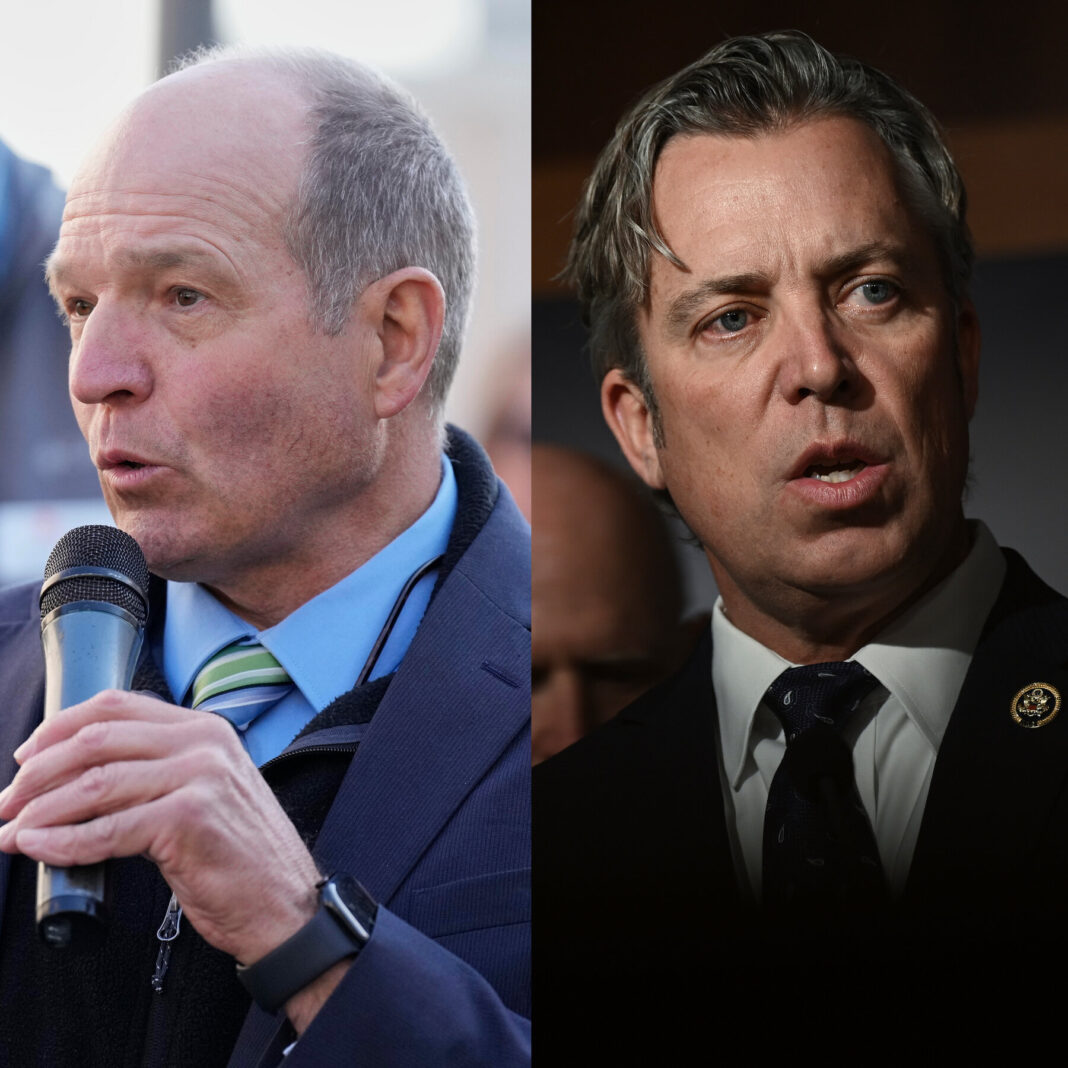
Moderate Democrats are gearing up for an intensified internal battle against the party’s ascendant left wing. A prominent centrist group has labeled recent progressive victories as “deeply troubling” and is mobilizing a $15 million campaign to counter democratic socialism.
The financial push marks a significant escalation in the ongoing ideological struggle within the party. Organizers describe the effort as a defensive measure to protect the party’s moderate identity. They argue that the recent wave of progressive wins threatens to alienate swing voters ahead of the next election cycle.
The strategy includes targeted messaging in key districts and a robust ground game to support centrist candidates in primary challenges. Leaders of the effort stress that their goal is not to attack fellow Democrats but to offer a clear alternative vision. They point to polling that shows a majority of the party’s base still favors pragmatic, incremental policy changes.
Progressive factions have dismissed the move as a panic response to their growing influence. They cite recent primary victories and grassroots fundraising success as evidence that their agenda resonates with voters. The left-wing coalition has vowed to match the moderate spending with their own organizing efforts.
Internal divisions have become a recurring theme for the party over the past several years. While both sides agree on the need to defeat Republicans, they remain sharply divided on the path forward. Issues like healthcare reform, climate policy, and corporate regulation continue to be flashpoints.
Analysts suggest the escalating feud could have downstream effects on general election turnout. Some moderate donors have already signaled reluctance to fund campaigns that embrace socialism, even indirectly. Meanwhile, progressive activists warn that alienating their base would be an even greater electoral risk.
The $15 million campaign is expected to roll out over the next 18 months, focusing heavily on open primaries and redistricting battles. Organizers plan to use digital advertising and on-the-ground canvassing to frame their message. They also intend to publish scorecards that rate lawmakers on their adherence to pragmatic governance.
A spokesperson for the moderate group said the effort is about preserving the party’s broad coalition. They emphasized that while differences exist, the ultimate aim remains winning elections and governing effectively. The response from the left has been defiant, with several progressive organizations already coordinating counter-campaigns.
The outcome of this internal struggle could shape the party’s platform for years to come. Political observers note that the fight is not unique to the national level, as similar dynamics play out in state and local races. The coming months will likely offer a clearer picture of which faction holds the upper hand.