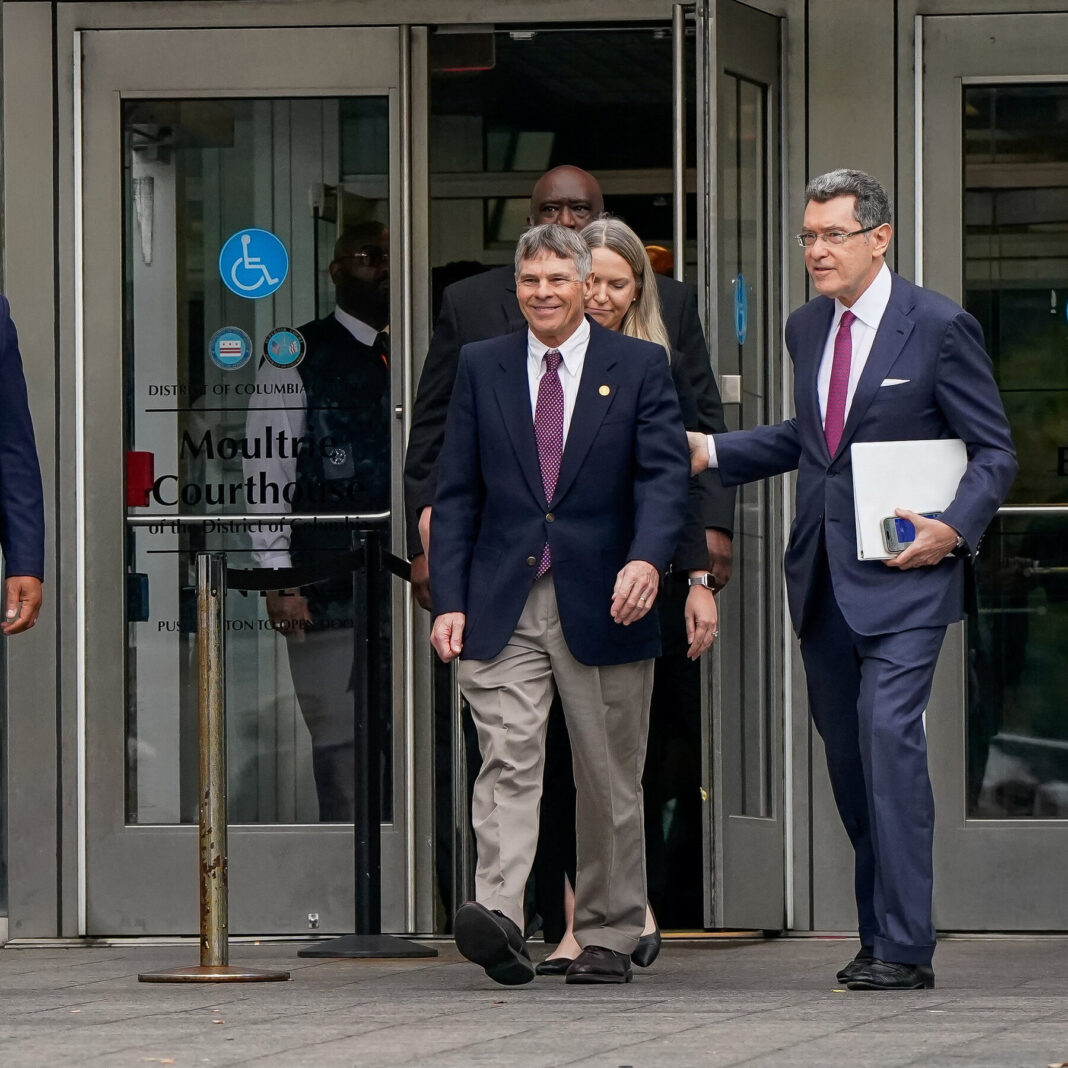
A federal judge dismissed the felony vandalism charge against David Hearn, a former Olympic canoeist, on Thursday. The ruling ends the criminal case that stemmed from an incident at the National Mall’s reflecting pool.
Prosecutors acknowledged that the Trump administration’s claims of vandalism were false. The admission came after a review of evidence that contradicted the original charges. Hearn had faced up to ten years in prison if convicted.
The case drew national attention due to its political overtones. Hearn was arrested in May after an altercation with National Park Service officers. Officials initially alleged that Hearn caused extensive damage to the pool’s infrastructure.
Court documents later revealed that the damage estimate was significantly exaggerated. Surveillance footage and witness testimony supported Hearn’s account of the events. The government moved to drop the charge after reviewing the full record.
Judge Sarah Mitchell dismissed the case with prejudice, preventing prosecutors from refiling. In her ruling, she noted that the prosecution’s actions had caused unnecessary harm to the defendant. She criticized the initial investigation for lacking basic procedural diligence.
Hearn, a 1996 Olympian in canoe slalom, expressed relief after the hearing. His attorney stated that the dismissal vindicates his client’s stance and highlights systemic flaws in the accusation process. The legal team plans to seek reimbursement for legal fees.
The incident has also sparked broader scrutiny of the administration’s handling of federal property cases. Legal experts argue that the case exemplifies the risks of politicized enforcement actions. They urge reforms to ensure that criminal charges are grounded in verified evidence.
Hearn’s supporters, including several former Olympic teammates, attended the court session. They described the ordeal as a harrowing experience for an accomplished athlete with no prior record. The dismissal now allows Hearn to return to his coaching career without the weight of a felony conviction.
The Justice Department declined to comment on the dismissal, citing policy. However, internal memos suggest that the agency is reviewing similar cases for potential errors. This marks a rare instance of the judicial branch reversing an executive action in such a direct manner.
For now, the reflecting pool case has closed, but its implications may linger. Advocates for criminal justice reform view the outcome as a cautious victory. They hope it will encourage more rigorous standards for future federal prosecutions.