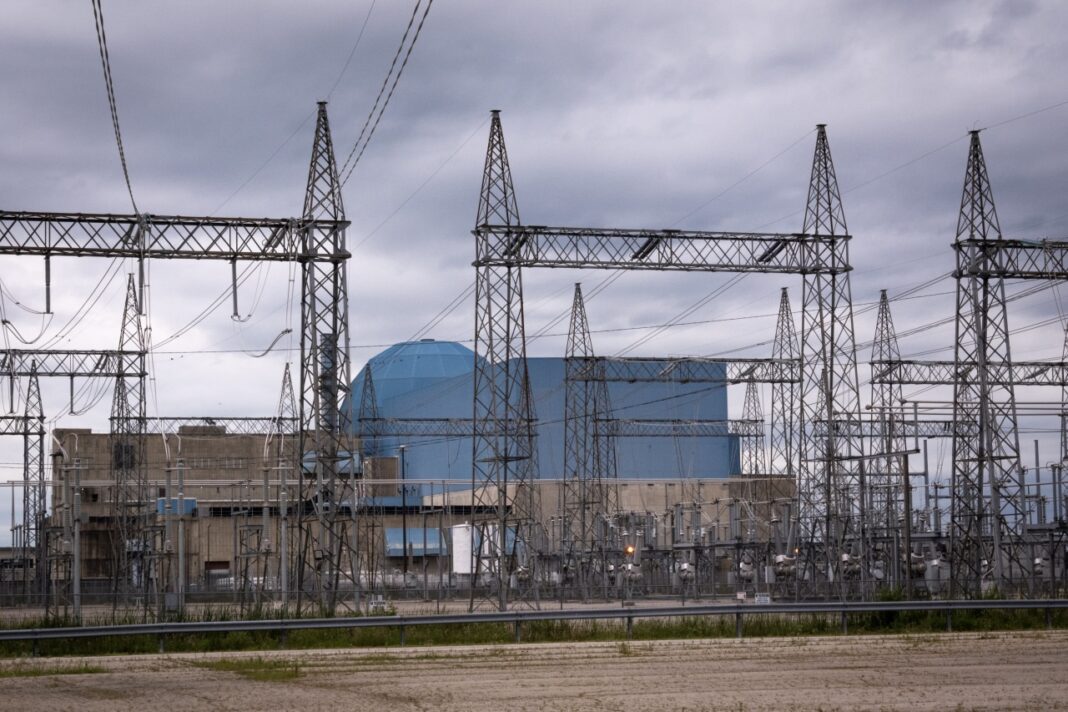
Power stocks, once the market’s standout performers, are cooling off as investor enthusiasm shifts. A growing backlash against data centers is now complicating the outlook for power plant owners. The sector, which rode a wave of demand tied to artificial intelligence and cloud computing, is facing new headwinds.
The initial surge in power shares was driven by projections of soaring electricity consumption. Data centers, which require massive amounts of energy, were seen as a reliable growth engine for utilities and independent producers. That narrative fueled a rally that pushed many stocks to record highs.
Now, concerns are mounting over the pace and profitability of data center expansion. Critics point to rising costs, regulatory hurdles, and community opposition to new facilities. These factors are casting doubt on whether the expected demand will materialize as quickly as forecast.
Investors are also reassessing the financial strain on power companies. Building new generation capacity, upgrading grids, and securing fuel supplies require heavy capital investment. With interest rates still elevated, the cost of financing these projects has become a more significant burden.
The shift is evident in recent trading patterns. Several high-flying power stocks have pulled back sharply from their peaks, underperforming the broader market. Analysts note that the easy gains may be over, with valuations now reflecting more cautious expectations.
Power plant owners are responding by diversifying their revenue streams and delaying some expansion plans. Some are focusing on existing assets and operational efficiency rather than chasing new data center contracts. Others are renegotiating terms to ensure long-term deals remain profitable.
The broader energy sector remains resilient, but the data center story is no longer a simple tailwind. Regulatory and political pressure is growing, with local governments questioning the environmental impact and grid reliability of large-scale facilities. This adds another layer of uncertainty.
For now, the market is in a wait-and-see mode. The next few quarters will be critical in determining whether power demand truly accelerates or if the initial projections were overly optimistic. Until clarity emerges, volatility in the sector is likely to persist.
The lesson for investors is clear: the power boom, while real, is not without friction. Those who bought into the hype at the peak are now facing the reality of a more complex and contested landscape.